Burkina Faso: Moving forward without democracy
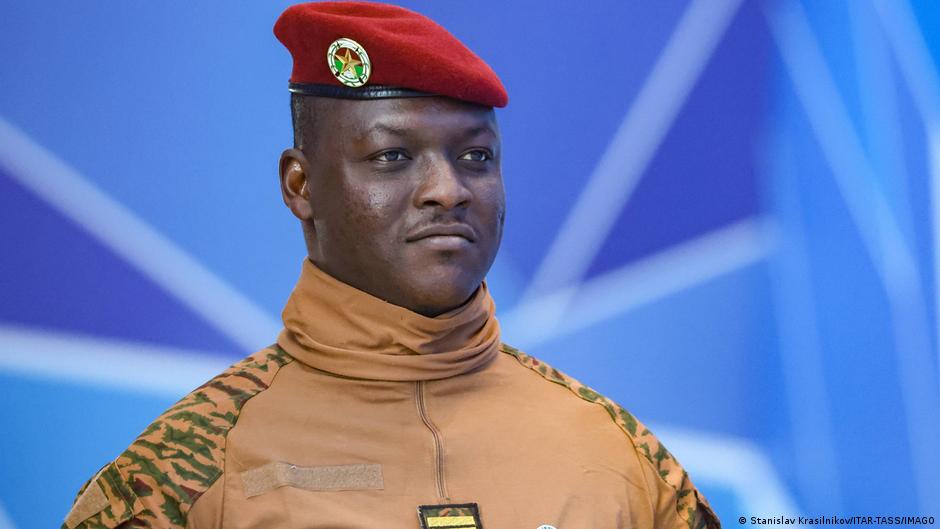
Samael.lol – The military leader of Burkina Faso, Ibrahim Traore, has openly dismissed the value of democratic governance, despite a growing coalition of exiled groups advocating for its revival. Traore, however, maintains a strategic edge in this political shift. The revolution initiated by his junta a year ago aimed to revive the legacy of Thomas Sankara, the revered leader of the 1980s, while addressing security challenges and boosting state income through resources like gold and oil.
“People must forget about democracy,” Traore declared on state television, RTB. “If an African tells you democracy is the answer, you should run. Democracy kills.”
Since seizing power in September 2022, Traore has prioritized a restructured state over electoral processes. He initially pledged to return to civilian rule within two years, but by 2023, he linked elections to security improvements. By 2024, his term was extended by five years without public approval. In January 2026, he abolished all political parties, enacting the RPP’s charter as Burkina Faso’s new constitutional framework.
Political analyst Paul Amegakpo of the Togolese Tamberma pour la Gouvernance institute argues that the RPP charter undermines the Burkinabe people’s right to self-determination. “The right to elect leaders and shape national policy is essential,” he said. “This charter strips citizens of that control, steering the country toward military dominance.”
Cheta Nwanze, head of Nigerian security firm SBM Intelligence, noted that democracy in the Sahel region has struggled to protect citizens. “Coup leaders like Traore fill the gap created by ineffective governments,” he explained. “They offer decisive action where democracy delivers slow deliberations. It’s a trade-off between efficiency and freedom.”
Traore’s leadership mirrors that of a “war CEO,” focusing on reclaiming territory from jihadist groups rather than political reforms. Social media amplifies his image, though restricted press freedom raises questions about the authenticity of public support. A 2025 AFP analysis suggested Traore’s popularity may stem from state-controlled narratives, including Russian-backed campaigns.
At 34, Traore is the youngest leader in global politics. Younger generations often equate him with Sankara, a symbol of revolutionary zeal. Yet Nwanze warns that his influence depends on ongoing security outcomes. “If attacks surge again, the same platforms that praise him could turn critical,” he said.
The junta relies on the Volunteers for the Defense of the Fatherland (VDP), a force expanded by 50,000 recruits under Traore. Despite this, the military controls only 20–30% of the country, with vast regions held by groups like Jama’at Nusrat al-Islam wal-Muslimin (JNIM). The Global Terrorism Index 2026 reports Burkina Faso as the second-most affected nation, with 846 terrorist deaths in 2025—15% of the global total. Experts doubt the junta’s claims of territorial gains, casting skepticism on its progress.
Traore’s grip on power persists, while democratic institutions in Burkina Faso face stagnation, mirroring crises in neighboring Mali and Niger. The nation’s trajectory remains uncertain, balanced between revolutionary fervor and the lingering shadow of authoritarian control.