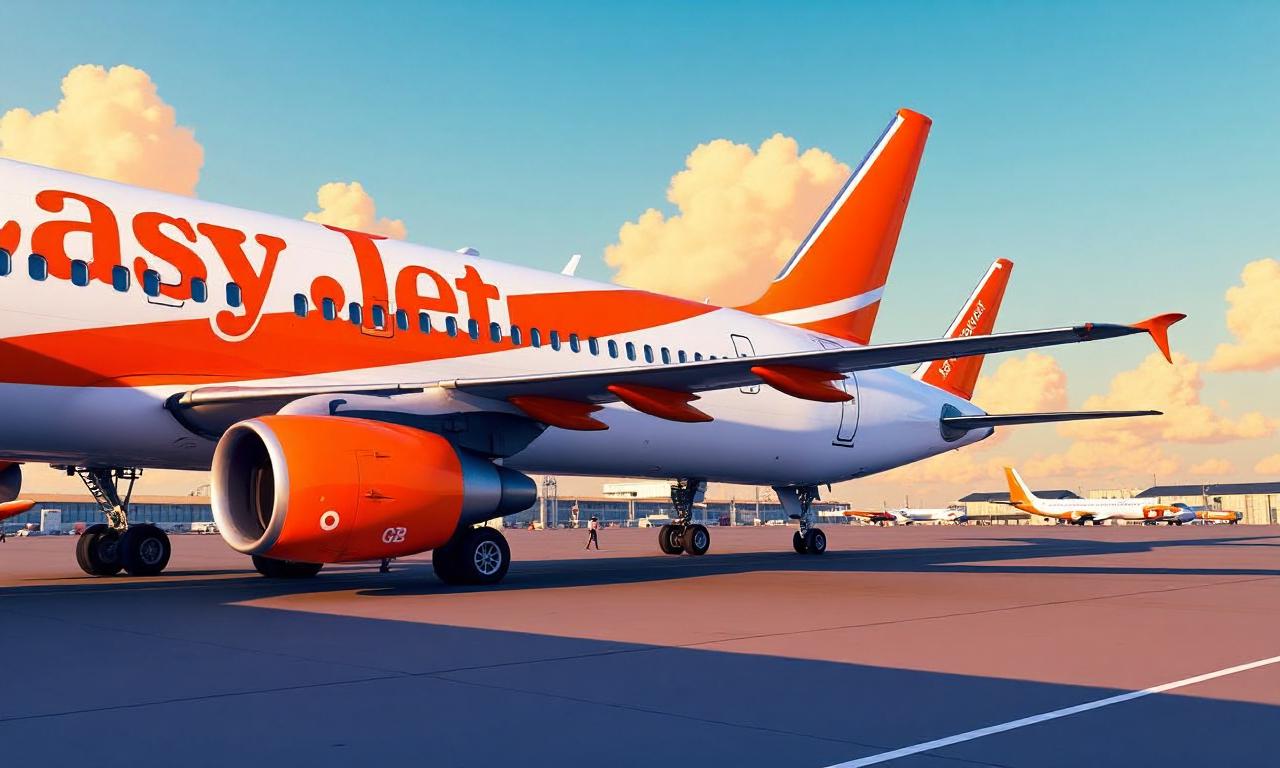
EasyJet Passengers Describe EU Border ‘Nightmare’
Samael.lol – Travelers who missed their EasyJet flights from Milan’s Linate airport due to prolonged border control delays under the European Union’s new entry-exit system reported a chaotic experience. Over 100 passengers were stranded on Sunday, unable to board their scheduled trip to Manchester. The airline described the situation as “unacceptable,” citing biometric and facial recognition checks as the cause of extended queues.
Passenger Accounts Highlight System Strain
Carol Boon, a 59-year-old from Staffordshire, recounted the ordeal of waiting in a “very stressful” situation at the airport. She and five others had paid for an apartment in Milan during a long weekend getaway, only to be left scrambling after their flight departed. “People were arguing, someone fainted, someone was sick,” she said, emphasizing the emotional toll of the delay.
“Even if we were there five hours before, we weren’t told the gate number until about 90 mins before, so there was nothing we could have done,” Boon added. “It was just disgusting the way they spoke to us.”
Max Hume, a 56-year-old from Leeds, faced additional costs to secure a return to the UK. He spent over £1,800 arranging a detour via Luxembourg, only to be offered a meager £19 and a Thursday flight by EasyJet. “We would have had to pay £300,” he said, criticizing the airline’s compensation.
Adam Hoijard, from Wirral, described the situation as “atrocious,” noting that his family had arrived three hours early. “How much time can you leave to wait in a queue and be told to wait?” he questioned, as his five-year-old son lay crying in bed after the ordeal. The family now plans to fly to London Gatwick on Tuesday.
System Overview and Disruption Reports
The EU’s digital border system, known as the European Entry-Exit System (EES), requires third-country nationals—such as Britons—to register biometric data, including facial scans and fingerprints, upon entry to the Schengen zone. Exit checks are conducted later, creating bottlenecks for travelers. ACI Europe and A4E, representing airports and airlines, noted that initial reports showed peak wait times of two to three hours, with some flights departing without passengers.
Previously, border authorities could halt EES operations entirely if delays became excessive. Now, only partial suspensions are allowed. Industry groups argue greater flexibility is essential, especially as summer travel peaks. EasyJet warned passengers to arrive early, but the delays still left many stranded, forcing them to book alternative flights at significant expense.
“We continue to urge border authorities to ensure they make full and effective use of the permitted flexibilities for as long as needed while EES is implemented,” said an EasyJet spokesperson, acknowledging the disruptions caused by the system.
Joy Oliver, owner of Laura’s Travel Village in Sale, Greater Manchester, highlighted the strain on travelers. She and her husband had arrived three hours ahead of their scheduled departure but still faced “absolute carnage” at passport control. Oliver has rebooked a flight to Edinburgh for Tuesday, while her family helps retrieve two cars from Manchester Airport.