Iran War: Trump’s Port Blockade Deadline Lapses
Samael.lol – The planned maritime embargo on Iranian ports by the Trump administration, set to begin at 1400 GMT/UTC, has now expired. This move was intended to disrupt Iran’s ability to generate revenue through freight charges and oil exports. However, the waterway remains a focal point of regional tensions, with commercial vessels altering their routes in response.
Key Developments
Pakistan’s Prime Minister Shehbaz Sharif highlighted ongoing diplomatic efforts during Monday’s cabinet session, stating that the ceasefire between the U.S. and Iran “is still holding.” He added that “full efforts are underway to resolve the outstanding issues,” despite the failure of recent talks in Islamabad. Sharif reiterated this stance during a call with Japan’s Sanae Takaichi, emphasizing Pakistan’s commitment to sustaining peace and stability.
“The ceasefire is still holding and, as I speak, full efforts are underway to resolve the outstanding issues,” Sharif stated in televised remarks.
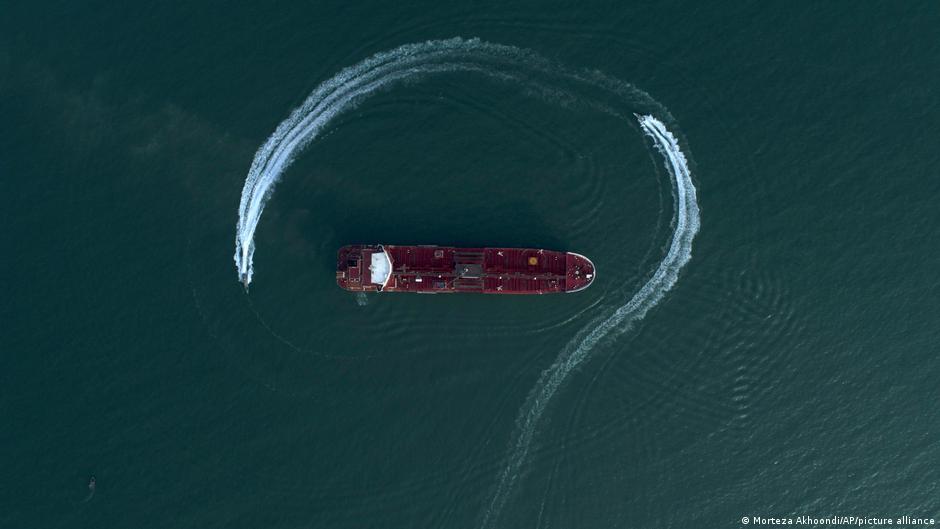
The UK Maritime Trade Operations (UKMTO) Center in Dubai confirmed that the U.S. Navy had intended to enforce restrictions on Iranian military ports starting at the designated time. The agency noted that access limitations would apply to all vessels engaging with Iranian ports, oil terminals, or coastal facilities, though transit through the Strait of Hormuz for non-Iranian destinations would remain unaffected.
“Access restrictions apply without distinction to vessels of any flag engaging with Iranian ports, oil terminals, or coastal facilities,” the UKMTO said.
Despite U.S. assurances that the blockade would not hinder commercial traffic, most oil tankers have bypassed the Strait of Hormuz. Tracking data from MarineTraffic shows only four vessels carrying oil, gas, or chemicals have crossed the strait so far on Monday, with two Pakistan-flagged tankers entering the Gulf of Oman on Sunday before the announcement.
Regional Calls for Stability
Foreign ministers from the 11 ASEAN nations issued a joint appeal for uninterrupted maritime passage through the Strait of Hormuz. They urged the U.S. and Iran to “continue negotiations leading to the permanent end of the conflict” and maintain conditions favorable to the ceasefire. The statement praised Pakistan’s role in mediating the dispute.
“We urge the United States of America and the Islamic Republic of Iran to continue negotiations that will lead to the permanent end of the conflict and lasting peace and stability in the region,” the ministers said.
Israel’s Prime Minister Benjamin Netanyahu endorsed Trump’s decision, stating that the U.S. had “decided to impose a naval blockade” following Iran’s breach of peace talks rules. He noted that “we support this firm position” and confirmed coordination with the U.S. on the matter. Netanyahu also mentioned that U.S. Vice President JD Vance had informed him via phone about the failed talks in Islamabad.
With the blockade’s timeline concluding, the focus shifts to the long-term impact on Iran’s oil exports and regional trade dynamics. The UKMTO advised ships in the area to remain vigilant, ensuring readiness and caution amid the ongoing situation.