The leap of faith that led physio to NBA’s A list
Samael.lol – Alex McKechnie laughs at the bold step he took in 1974 when he left almost everything behind in Glasgow and booked a non-returnable ticket to Vancouver, Canada. “I had just $300 in my wallet,” he recalls. “No job. Just a dream.” At the time, it was hard to foresee that this decision would lead him to work with icons like Shaquille O’Neal or shape modern rehabilitation techniques for knee injuries. Yet, the physiotherapist who once had no plan is now celebrated as a pioneer in sports science.
From Glasgow to Vancouver
McKechnie’s journey began in the shadow of Glasgow’s ganglands, where he played football in Easterhouse. His early passion was for Rangers, but a car crash that injured his father and brother shifted his focus. Observing their recovery ignited his curiosity, prompting him to pursue physiotherapy in Leeds. After landing a temporary hospital role within days, he quickly moved into a university setting, working with athletes across multiple sports. This environment sparked his interest in under-researched areas like anterior cruciate ligament (ACL) injuries.
A New Approach to ACL Recovery
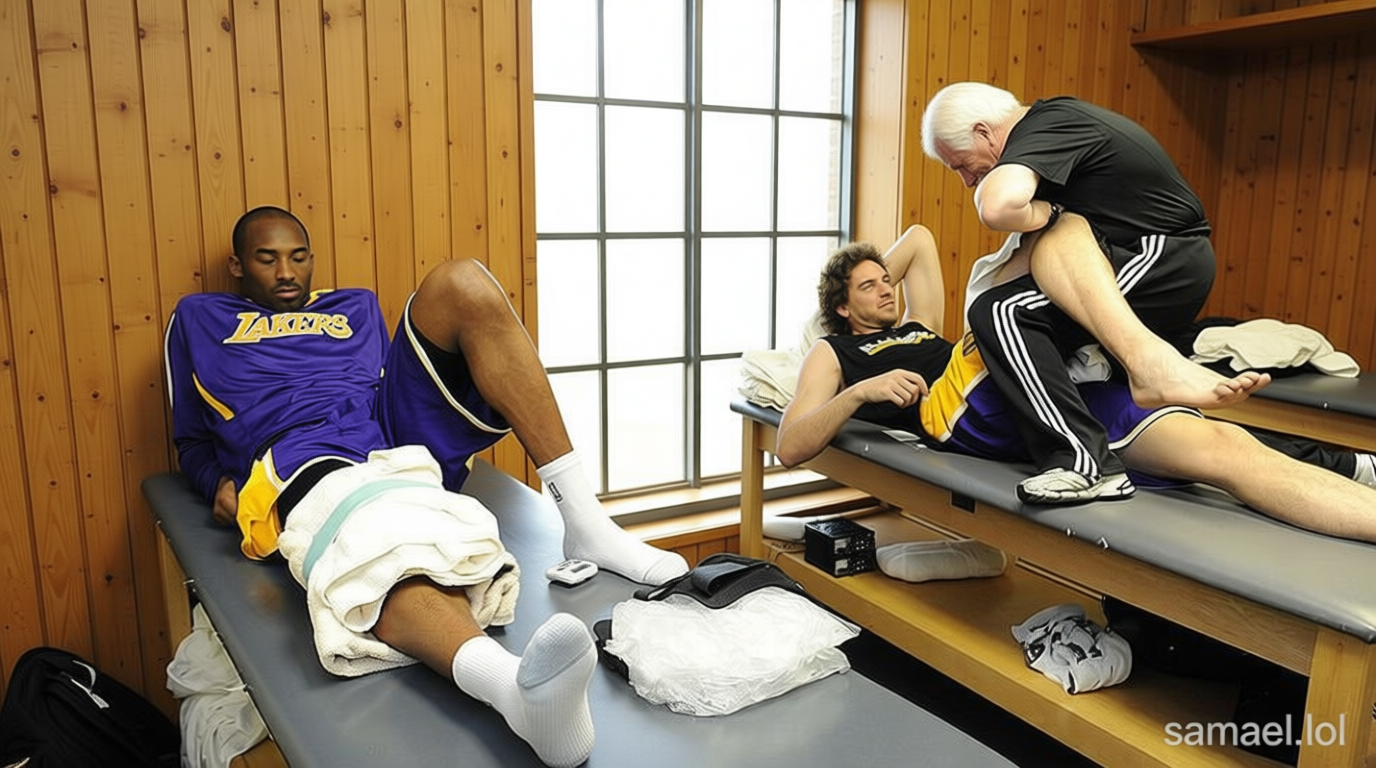
When McKechnie first started, there were no guaranteed cures for ACL tears. “It was like a career-ending event,” he says. Collaborating with athletes, he noticed a connection between core strength, pelvic control, and cruciate injuries. This insight led him to create a rehabilitation system using elastic bands to simulate resistance. The method, now widely adopted, was groundbreaking in its time. His work with Kobe Bryant on the wobble board is a testament to these innovations.
From Playground to Professional Courts
A pivotal moment came while walking his dog in a park where children rode spring-mounted horses. The idea of using such play equipment to train core stability inspired the development of the wobble board. McKechnie’s first prototype relied on a large engineering spring, and Reebok later commercialized it globally. By 1997, his reputation had spread enough to attract the attention of the LA Lakers, who sought his expertise for Shaquille O’Neal’s injury.
O’Neal, then the NBA’s dominant centre, faced a potential 10-month layoff due to a strained abdominal muscle. McKechnie had previously treated a similar issue in an ice hockey player without surgery. The Lakers’ general manager, Jerry West, reached out, and the star was sent to Vancouver for an assessment. Despite the high stakes, McKechnie remained steadfast. “They called from the limo driver, from security,” he says. “I told them to wait until 1.30.” The group insisted on an immediate meeting, but he held firm. They left, and the next day, the surgeon apologized, asking if O’Neal could return the following week. McKechnie’s reply was firm: “No, Shaq can see me at…”
McKechnie’s dedication to innovation and patient care has earned him a place in basketball history. At 74, he continues to be a go-to figure for athletes, having secured six NBA championship rings as part of the sideline staff. His journey from a cautious move to a career-defining breakthrough underscores the power of vision and perseverance in the world of sports medicine.