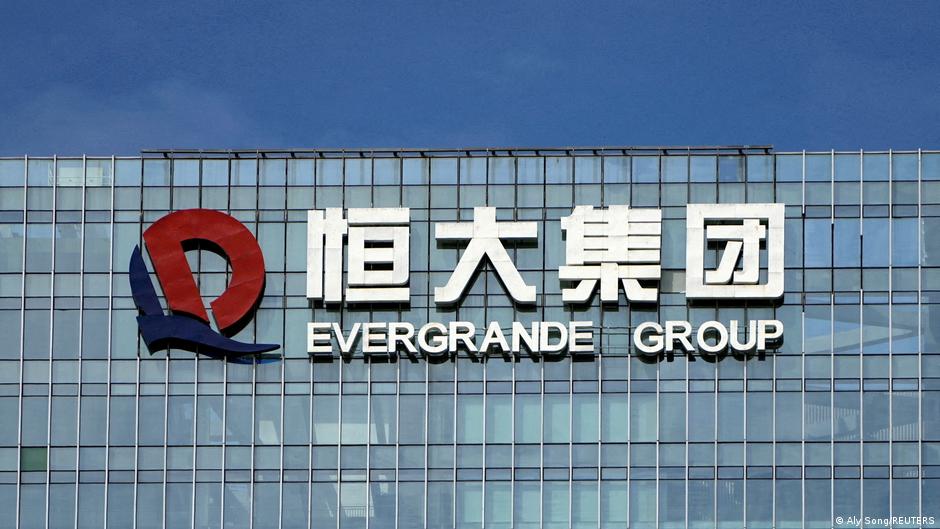
China: Evergrande Property Developer Founder Pledges Guilt
Samael.lol – China’s largest real estate firm, Evergrande, faced severe financial challenges in 2021, defaulting on billions in debt and obligations. The company, once a dominant force in the property market, saw its liabilities mount to over $300 billion, equivalent to roughly €255 billion, according to reports. Its struggles highlighted the fragility of China’s real estate sector amid economic pressures.
Founder Admits Fault in Legal Proceedings
During a trial spanning Monday and Tuesday, Hui Ka Yan, the founder of Evergrande, acknowledged guilt and conveyed regret over his actions, as stated by the court. The trial focused on charges of fraud, bribery, and other financial misconduct, with the court detailing additional accusations such as misappropriating public funds and violating regulations on information disclosure.
“Illegally absorbing public deposits, fundraising fraud, and corporate bribery” were among the allegations leveled against Hui and the company, according to the court’s official statement. The charges also included unauthorized lending, misuse of funds, and embezzlement.
Participants in the court hearings included individuals linked to previous fundraising activities, as well as officials from China’s legislative body. The verdict, however, has been postponed, with the court yet to announce a specific date for its final decision.
Hui Ka Yan was detained by authorities in 2023, followed by a significant fine of $6.6 million from China’s securities regulator in 2024. He was also barred from participating in the securities market for life. The same year, a Hong Kong court issued a liquidation order against Evergrande, marking a turning point in its financial trajectory.
Evergrande’s shares were delisted from the Hong Kong Stock Exchange in 2025, signaling its collapse. The company’s downfall mirrors the broader difficulties confronting China’s property industry, which has significantly impacted the world’s second-largest economy and disrupted financial markets globally.
Established in the 1990s, Evergrande initially thrived by capitalizing on rapid urban expansion and rising consumer demand. Its meteoric growth, however, was accelerated by aggressive borrowing, which became unsustainable after government restrictions curtailed access to credit in 2020. The subsequent inability to meet debt obligations led to its default in 2021.
Though the company’s decline is a recent development, its journey from a leading property developer to a symbol of crisis underscores the complexities of China’s economic landscape. The case has drawn attention to systemic risks in the real estate sector and the consequences of unchecked corporate expansion.