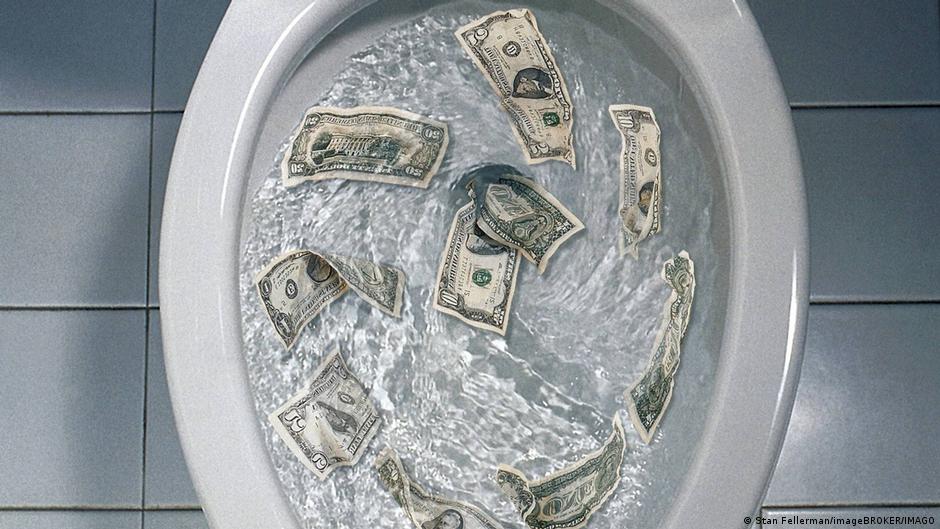
The world ditched wasteful toilets, the US stayed behind
Samael.lol – Compared to international models, American toilets consume significantly more water. President Donald Trump has argued for relaxing water pressure regulations, which opponents claim would lead to greater inefficiency. The familiar sound of a toilet flushing in the US is often a powerful jet of water filling the bowl, followed by a strong suction that removes waste. This contrasts sharply with European systems, where users can select between lighter or stronger flush options. The water flow in these regions typically relies on a gentler push rather than a dramatic siphoning action. In some countries like Germany and the Netherlands, waste even lands on a ceramic ledge above a water pool before being drained.
A cultural divide in plumbing practices
Discussions about toilet design are more than just casual chatter. The way toilets flush has major implications for water conservation. In the US, this issue has grown more critical as climate change intensifies drought conditions and strains water resources, especially in the western states. The siphon mechanism, once standard in American toilets, required large volumes of water to create suction. However, a 1992 law introduced stricter water efficiency standards, limiting new toilets to 1.6 gallons per flush. This policy saved an estimated 18.2 trillion gallons over two decades.
“It took us so long to actually make a small dent on the American mindset of saving water,” said Samuel Sandoval Solis, a water resources expert at the University of California, Davis. He described the proposed rollback as a “backwards” step.
“Culturally, people in the US just don’t like regulations,” noted Metin Duran, an environmental engineer at Villanova University. “In Europe, people are more open to these types of regulations if it’s for the greater good.”
In May, the Trump administration issued a directive halting the enforcement of the 1992 water efficiency law. The move aims to repeal the regulation, creating a lasting shift beyond individual presidential terms. House Republicans endorsed the “Don’t Mess With My Home Appliances Act,” which would simplify the process for the Department of Energy to weaken energy conservation rules. While the Senate remains skeptical, the legislation highlights a broader American resistance to environmental mandates.
Despite improvements since the 1990s, outdated toilet models still dominate the US market. A 2019 study by the Plumbing Manufacturers International (PMI) found that over 20% of toilets use 3.5 gallons or more per flush. Many older units, especially those made before 1980, can consume up to 5 gallons with each cycle. In drought-affected California alone, PMI estimates approximately 2.4 million of these legacy toilets remain in use. Replacing them with modern, efficient models could ease pressure on water supplies, but progress has stalled under recent policies.
Trump has long criticized weak toilets and showerheads, claiming they hinder daily routines. He promised to “make showers great again” and eliminate energy-saving standards. Yet, experts say these concerns are outdated. Today’s toilets undergo strict testing, ensuring reliable performance. While some older models may still struggle, the majority of contemporary designs meet efficiency goals without compromising functionality.
To view this video, please enable JavaScript and upgrade to a web browser supporting HTML5 video.