Trump’s Naval Blockade Intensifies Economic Strain on Iran
Strategic Move Targets Oil Exports
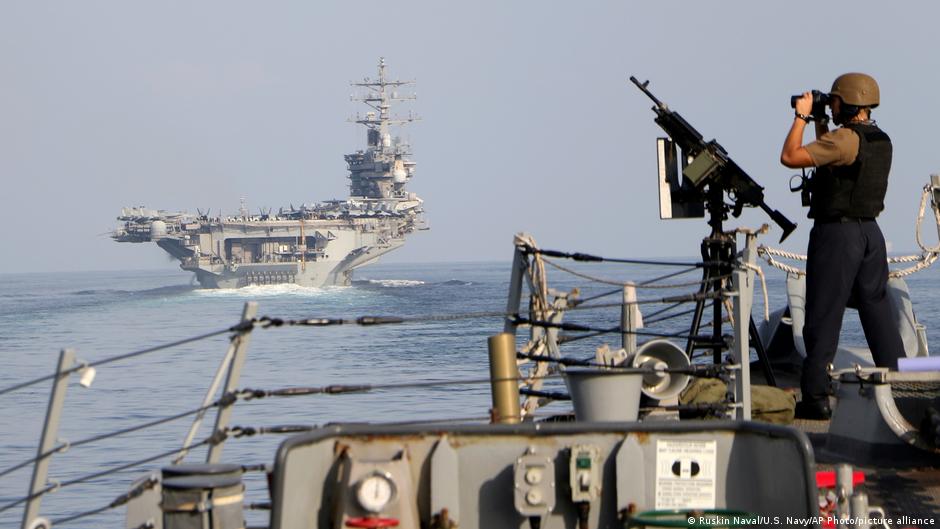
Samael.lol – The United States has initiated a naval operation aimed at disrupting Iran’s primary income stream by suspending the majority of its oil shipments. This move, spearheaded by President Donald Trump, targets the Strait of Hormuz—a critical waterway where a fifth of global seaborne oil trade previously flowed. By blocking ships at Iranian ports or coastal facilities, the action seeks to cut off the country’s access to hard currency.
Trump emphasized that the blockade would prevent Tehran from imposing illegal tolls on vessels passing through the strait, which could amount to $2 million per ship. “No one who pays an illegal toll will have safe passage on the high seas,” he stated in a message on Truth Social. The operation also includes efforts to dismantle Iranian naval mines in the region, according to US officials.
Impact on Oil Trade and Revenue
With Iran’s oil exports averaging nearly 2 million barrels per day, the blockade could significantly reduce its revenue. The country’s main export terminal, Kharg Island in the Persian Gulf, handles over 90% of its crude shipments, making it a key focal point. The move is intended to force Tehran back into negotiations after recent talks in Pakistan fell apart.
Maritime experts noted that the US will rely on standard naval procedures to enforce the blockade, including the right of visit and search. This allows warships to stop and inspect tankers, potentially diverting or seizing them if suspected of carrying Iranian oil. However, the measure could challenge international maritime law, risking conflicts with neutral vessels and disrupting the flow through a vital strait.
Iran’s Evasion Tactics and US Strategy
Despite sanctions tied to its nuclear program, Iran continues to export oil using a network of aging tankers and ship-to-ship transfers off Malaysia. The US had previously granted temporary clearance for these sales to stabilize markets during the conflict. The new blockade, however, increases the risk of interception, making such operations more dangerous.
Iran’s Revolutionary Guard Corps has warned of retaliation, stating that “no port in the Gulf and the Sea of Oman will be safe” if restrictions are imposed. This raises concerns about potential strikes on energy infrastructure or shipping lanes in neighboring countries. Meanwhile, the US Central Command (CENTCOM) clarified that non-Iranian ports, such as Saudi Arabia’s and Qatar’s, would remain unaffected by the blockade.
Global Economic Consequences
According to Capital Economics, Iran’s oil exports generated around $45 billion in 2025, representing 13% of its GDP. With no land pipelines to bypass, the country’s reliance on maritime routes leaves it vulnerable. If sustained, US pressure could compel Tehran to renegotiate terms, as its revenue streams face growing constraints.
Shipping data revealed a sharp decline in tanker activity through the strait within hours of the blockade’s start. At least two vessels were turned back, signaling the immediate disruption. Trump also pledged to eliminate Iran’s “fast attack ships” if they challenged the operation, underscoring the military’s readiness to escalate tensions.