Should Hair Pulling Be Violent Conduct?
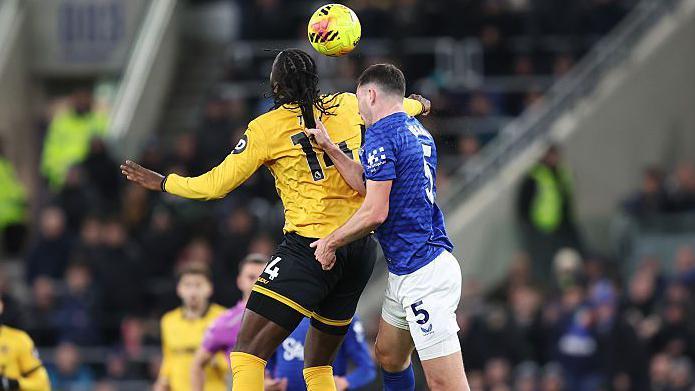
Samael.lol – Manchester United’s manager, Michael Carrick, recently criticized a red card given to Lisandro Martinez during a match against Leeds United, calling it a “shocking decision.” This marks the second instance this season where a Premier League manager has expressed frustration over a dismissal linked to hair pulling. Earlier in January, David Moyes, Everton’s boss, claimed VAR official Chris Kavanagh should have felt “embarrassed” for recommending a red card for Michael Keane’s tugging of Wolves’ Tolu Arokodare’s hair.
The Premier League has maintained a strict stance on hair pulling, resulting in VAR interventions and three-game bans when evidence is clear. However, this uniformity has sparked debate. Match of the Day analyst Alan Shearer echoed concerns on BBC Breakfast, stating,
“Never a red card, not in the Premier League,” he remarked about Martinez’s dismissal. “We need to be cautious about where the game is heading if such actions are classified as violent conduct. It’s not what we want to see.”
August 2022’s incident involving Tottenham’s Cristian Romero and Chelsea’s Marc Cucurella set a precedent. At the time, VAR official Mike Dean chose not to review the tackle, sparking a shift toward zero tolerance. Since then, any hair pull, no matter how minor, has been met with immediate red card decisions. Yet, this approach sometimes leads to perceived overreach. For example, Moyes argued Keane’s three-match ban was “excessive punishment,” and a panel of former players upheld the ruling by a two-to-one margin.
The three-game suspension for hair pulling contrasts with other leagues. In the Champions League, handball penalties are often debated, but their rules remain clear. The Premier League’s system, however, applies automatic bans for both violent conduct and serious foul play, regardless of severity. A headbutt, a dangerous tackle, or even a slight hair tug can all lead to the same consequence. This leaves managers like Carrick grappling with decisions that may seem harsh, especially when injuries and suspensions already strain team resources.
While some cases, like Keane’s and Martinez’s, are straightforward, others remain ambiguous. Fulham’s Kenny Tete nearly faced a red card for yanking Manchester City’s Antoine Semenyo’s hair in February, but the VAR deemed the evidence inconclusive. Similarly, in the EFL, Ipswich’s Leif Davis was banned for pulling Leicester’s Caleb Okoli’s hair, despite no VAR involvement. These examples highlight the challenge of identifying such infractions without video evidence, which is often the only way to spot them.
Despite the controversy, the Premier League’s approach to hair pulling remains consistent. Referees’ chief Howard Webb emphasized that the action is “quite an offensive thing,” even if it seems unusual. His assertion that similar incidents would result in the same outcome has been validated by the recent cases. Yet, the question lingers: does a three-match ban truly match the crime? As Carrick and others seek to challenge these decisions, the debate over fairness in disciplinary rulings continues to grow.