Germany’s Aid to Ukraine Faces Challenges
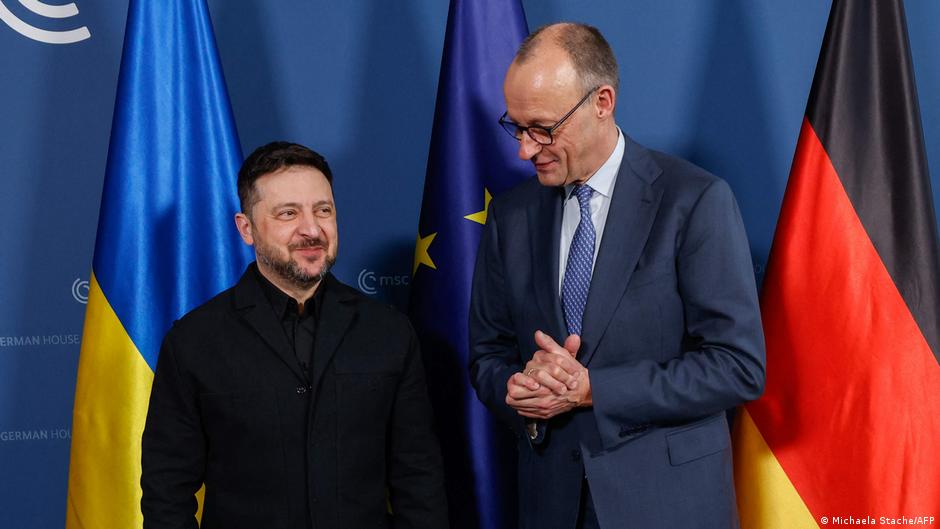
Samael.lol – Germany’s commitment to supporting Ukraine has encountered hurdles, with political concerns rising over the sustainability of aid efforts. Recent discussions between German and Ukrainian officials in Berlin highlighted these tensions, as leaders grappled with the need to maintain long-term assistance amid shifting global dynamics.
Political Tensions and Shifts in Support
The war in Ukraine has sparked fears that the country might struggle to sustain its defense against Russia without consistent backing. While the United States has reduced its aid, Germany and other European nations are stepping up to fill the gap. However, the recent loss of power by Hungary’s Prime Minister Viktor Orbán has weakened resistance among European leaders to continued support.
At the Berlin talks, German officials emphasized their readiness to remain a key ally. Despite challenges, Germany remains Ukraine’s second-largest bilateral donor, having committed nearly €100 billion in aid since the war began (as of early 2026).
Military Aid Evolution
The nature of Germany’s military contributions has transformed over time. Initially hesitant to send combat tanks, the country now prioritizes drones, which have become central to Ukraine’s battlefield strategy. Some of these drones are produced by German firms within Ukraine, showcasing the growing collaboration.
“No army in Europe has been as battle-tested in recent decades as Ukraine’s. No society has become more resilient than Ukraine. No defense industry has become more innovative than Ukraine’s,” said Chancellor Friedrich Merz during Tuesday’s press conference.
Merz noted that Ukraine’s ability to manufacture its own long-range weapons has rendered debates over Taurus cruise missiles obsolete. The focus has shifted to ensuring sufficient funding, with Germany pledging further support.
Civilian Support and Energy Focus
Germany’s aid extends beyond military assets to include civilian assistance, with over €39 billion allocated for non-military purposes. A major emphasis is placed on energy security, as Russia targets Ukraine’s infrastructure. Over €1.2 billion has been directed toward repairing energy facilities, positioning Germany as the second-largest donor in this sector after the U.S.
German specialists are working alongside Ukrainian partners to restore critical systems, underscoring the country’s dual role as both a financial backer and a practical collaborator.
Collaboration and Future Plans
Ukraine and Germany are deepening their partnership, particularly in drone production. Joint projects have already yielded results, with prototypes showcased at the Chancellery on Monday. Merz expressed confidence that this collaboration will expand, solidifying Germany’s role as a dependable ally.
As the conflict evolves, Germany’s strategic pivot reflects both challenges and opportunities in its support for Ukraine’s resilience and recovery.