Hungary: What’s next for Peter Magyar after election win?
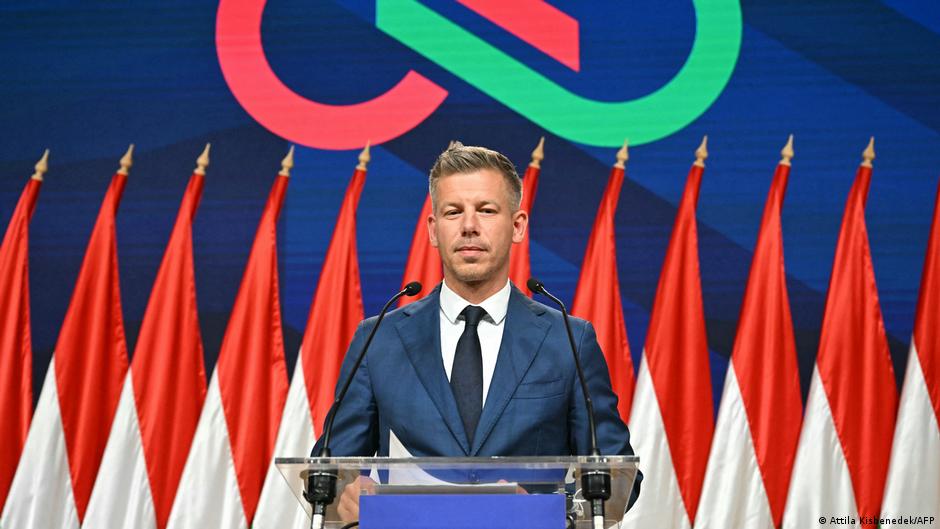
Samael.lol – Magyar’s victory in the recent election signals a potential shift in Hungary’s political landscape. The outcome has sparked optimism domestically, marking the nation’s second significant transformation since the end of communist rule in 1989/90. His vision includes dismantling the legacy of Viktor Orban’s regime and repositioning Hungary as a more credible European partner.
A New Political Vision
Magyar envisions a return to institutional equilibrium, aiming to reestablish a system of checks and balances and reinforce the rule of law. He pledges to draft a new constitution, which he argues would address the centralization of power under Orban’s administration. The existing constitution, he claims, incorporates provisions that consolidate authority, leaving the nation’s governance in a state of imbalance.
“The task now is to ‘tear down the Orban system’ and make Hungary a ‘normal, respected country’ in Europe again,” Magyar stated.
Distancing from Orban’s Legacy
Magyar identifies as conservative and right-wing, yet he rejects labels like “liberal conservative” and distances himself from the term “patriot” used by his predecessor. While he supports European integration, he criticizes Orban’s focus on sovereignism and the EU’s influence on domestic policies. His rhetoric is often confrontational, but he positions himself as a moderate alternative to Orban’s populism.
Institutional Reforms
Magyar plans to overhaul Hungary’s electoral system, which he believes was engineered to favor Fidesz. This reform aims to decentralize state control and restore autonomy to universities. Additionally, he intends to transfer oversight of intelligence services back to the Interior Ministry and establish independent anti-corruption and property restitution authorities. These bodies will scrutinize public tenders exceeding €25 million ($29 million) to uncover past mismanagement.
EU and Migration Policy
Magyar emphasizes Hungary’s commitment to Europe, vowing to strengthen ties with the EU and NATO. However, he acknowledges debates over national interests, stating the country will “not fight” in Brussels but remain a “constructive partner.” His plans include joining the Eurozone, though a specific timeline remains unclear. He also promises to maintain strict anti-migration measures, including southern border fortifications, while advocating for a broader pan-European approach to immigration.
Ukraine and National Interests
Magyar adopts a cautious stance toward Ukraine, influenced by Orban’s anti-Ukrainian rhetoric and the perception that Tisza’s party is a Ukrainian initiative. While he opposes Orban’s rejection of a €90-billion EU loan package for Ukraine, he has not yet confirmed reversing the veto. He supports a balanced relationship with Ukraine, favoring gradual integration over rapid EU accession.