Hungary’s Magyar Hoping to Form New Government in Early May
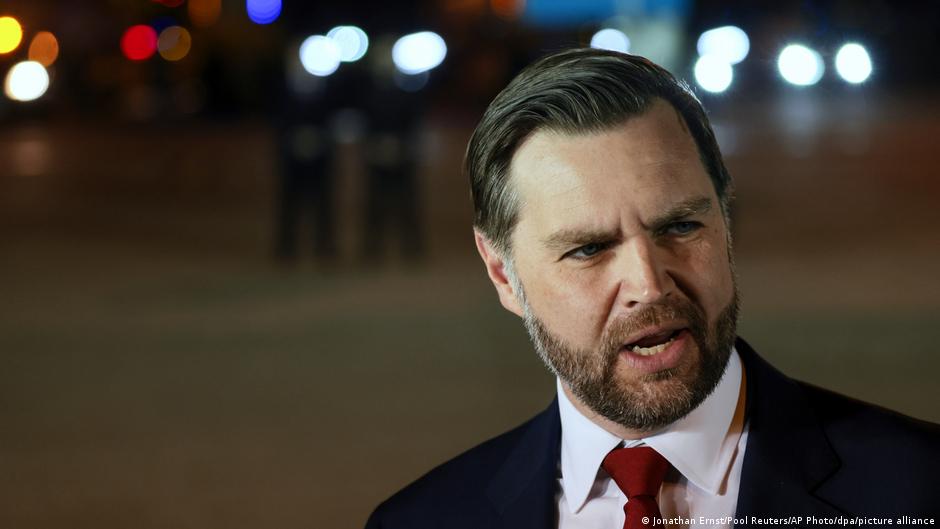
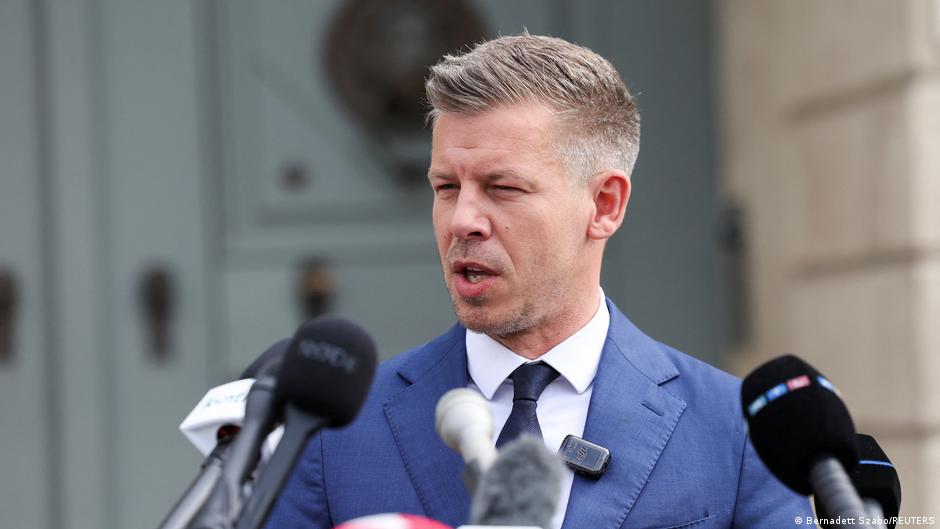
Samael.lol – Following a decisive electoral victory, Hungary’s upcoming prime minister, Peter Magyar, has announced plans to establish a new government by early May. His meeting with President Tamas Sulyok, an ally of outgoing leader Viktor Orban, occurred shortly after the election results were finalized. Magyar has expressed his intent to swiftly transition power and implement policy changes that contrast with the previous administration’s approach.
Shift in Leadership and Policy Direction
Magyar’s center-right TISZA party has concluded the 16-year rule of FIDESZ, which governed under Orban. The new government aims to reverse key reforms introduced during FIDESZ’s tenure, which Magyar described as emblematic of “illiberal” democracy. He emphasized his desire to move quickly, stating that the new parliament is expected to convene on May 6 or 7.
“The President has informed me that he will ask me at the inaugural session of the new parliament to be Prime Minister and form a government, as the leader of the party that got the most votes,” Magyar said.
During their meeting, Magyar directly challenged Sulyok, urging him to resign. “In my eyes and in the eyes of the Hungarian people, he is unworthy of embodying the unity of the Hungarian nation, incapable of ensuring respect for the law,” the TISZA leader remarked. This call for leadership change marks a pivotal shift in Hungary’s political landscape.
Media Reforms and State Outlets
Magyar has pledged to overhaul state-run media, which he views as a propaganda tool for FIDESZ. “One of the first steps after forming the new government will be to suspend the news programs of these propaganda outlets,” he stated in an interview with Kossuth Radio. Similar remarks were shared on M1, another state-affiliated channel. Both stations are part of MTVA, the broadcasting holding company.
“We will need a little time to pass a new media law, a new media authority, and set up the professional conditions for state media to actually do what it is meant to do,” Magyar added.
Hungary’s 2010 media law mandated objective and balanced reporting, yet state outlets disproportionately supported Orban’s policies while casting TISZA in a negative light. During the campaign, false claims about the party’s manifesto—promising steep tax increases—were amplified by state media without allowing Magyar to respond. The landslide election result secured TISZA a two-thirds parliamentary majority, empowering the party to enact significant changes.