What’s Behind Israel’s Attacks Along Lebanon’s Litani River?
Samael.lol – Israel is moving ahead with plans to displace Lebanese families and demolish homes near the Litani River, aiming to establish a defensive buffer near its northern border. This action has intensified tensions in the region, where the river has become a focal point of the broader conflict involving Hezbollah and Israeli forces.
Strategic Significance of the Litani Region
The Litani River, spanning 145 kilometers, has long been a symbol of the shifting front lines between Hezbollah and Israel. Its course now reflects the escalating confrontations, highlighting the area’s critical role in the Middle East’s volatile geopolitical landscape. The river also serves as a stark reminder of the challenges facing international law amid the ongoing hostilities.
Despite the rising violence along the border, the mandate of the UNIFIL mission—responsible for peacekeeping in the region since 1978—is set to expire by year’s end. This timing raises questions about the sustainability of international efforts to stabilize the area.
Hezbollah’s Role and Israeli Retaliation
Hezbollah, supported by Iran, is engaged in combat with Israeli troops in the context of the U.S.-Israel rivalry with Iran. The group has been designated a terrorist organization by the United States, Germany, and other nations. In early March, Hezbollah launched multiple drone and rocket attacks on Israel, reportedly as retaliation for the assassination of Iran’s Supreme Leader Ali Khamenei.
“Hezbollah’s missile and drone assaults were meant as retaliation for the killing of Iran’s Supreme Leader Ali Khamenei,” said the group’s official statement.
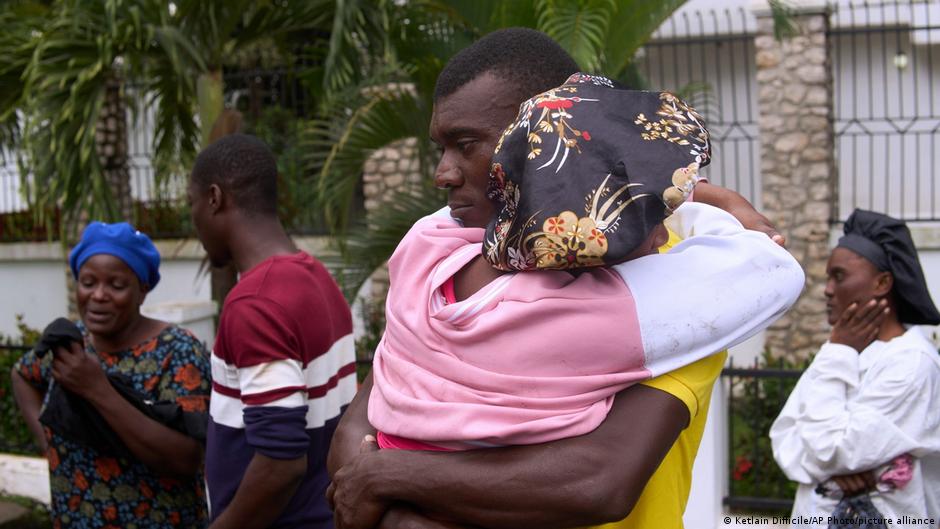
Israel responded swiftly, conducting airstrikes against Hezbollah positions. Lebanese health authorities estimate that these strikes have resulted in nearly 2,000 deaths and displaced around 1.2 million people. The Israeli Defense Forces (IDF) have also urged civilians in the south to evacuate northward, citing the need to protect Israeli settlements from potential threats.
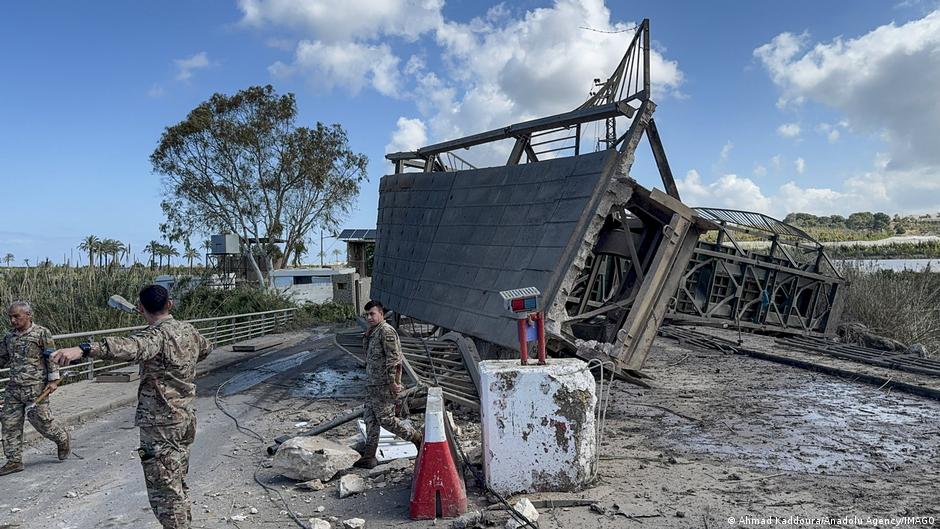
According to Israeli military claims, several bridges have been destroyed to disrupt Hezbollah’s supply lines. Defense Minister Israel Katz emphasized the goal of securing the area, stating, “Israeli forces will ‘control the remaining bridges and secure the zone up to the Litani,’ emphasizing the need to eliminate threats to northern settlements.” He further warned that “there could be no homes or residents in areas where there was ‘terror and rockets,’ an apparent reference to Hezbollah.”
Historical Context of the Litani Conflict
The Litani River has historically been central to Israeli-Lebanese tensions. During ‘Operation Litani’ in March 1978, Israel invaded southern Lebanon with 25,000 soldiers, occupying territory along the river. The operation followed an attack by the Fatah faction on March 11, 1978, which killed 37 Israelis and wounded 76 others. This event led to the displacement of approximately 280,000 Lebanese, mostly Shiites, though many later returned to the border region.
Israeli Finance Minister Bezalel Smotrich has called for moving the border with Lebanon to the Litani River, stating on March 24, “The Litani must be our new border with the state of Lebanon.” A recent analysis by the International Crisis Group suggests that Israeli officials are preparing to advance the border, aiming to control a 30-kilometer strip north of the current line. The delay in full-scale action is attributed to concerns about provoking the Trump administration, which favors Israel’s cooperation in the war against Iran.
To view this video, enable JavaScript and upgrade to a web browser that supports HTML5 video.