Iran: Hundreds of Thousands of Jobs Lost Due to War
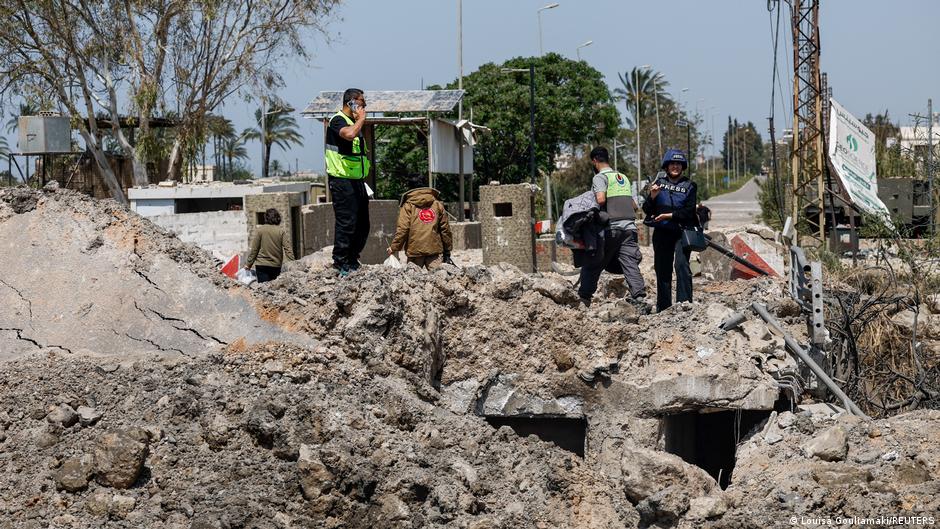
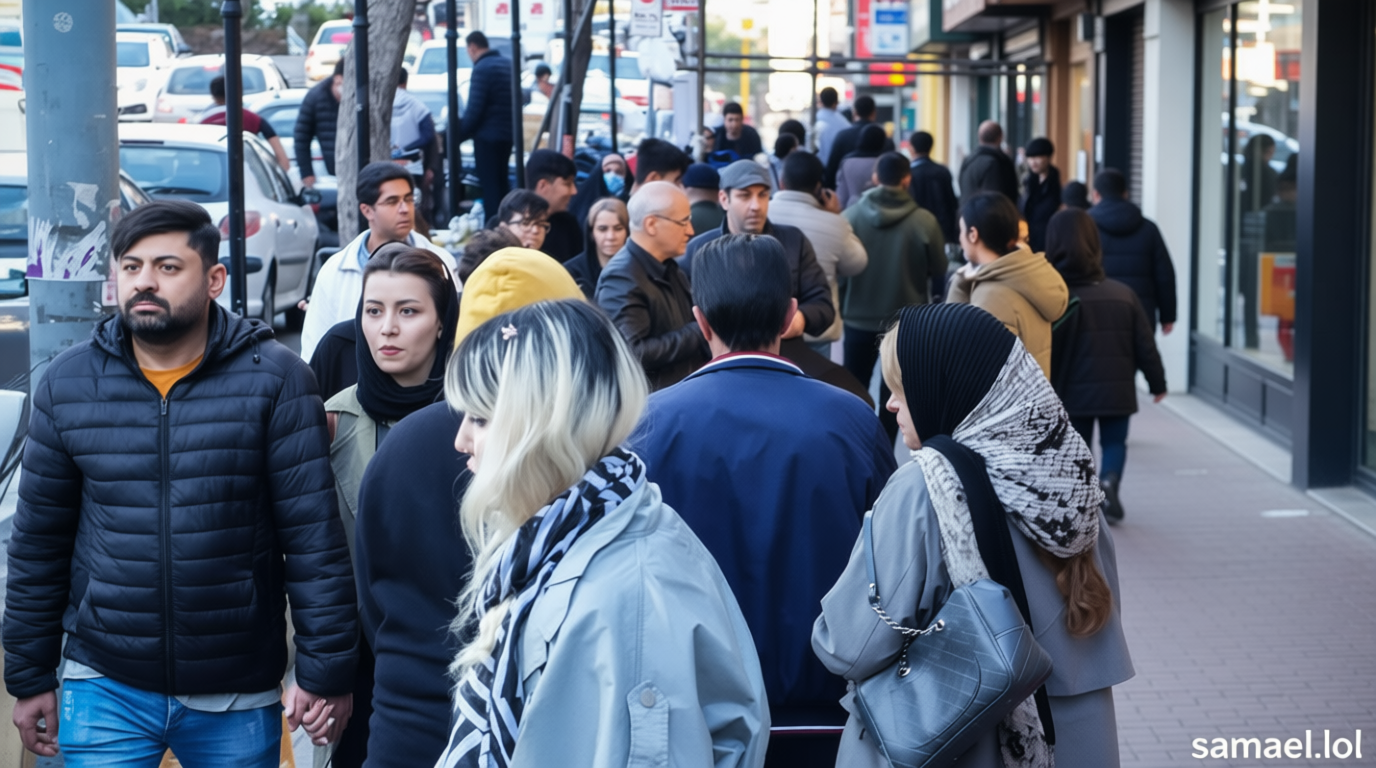
Samael.lol – Six weeks into the conflict, Iran faces a surge in job losses as industrial infrastructure continues to suffer. The destruction of key manufacturing sites has crippled production across multiple sectors, leaving many workers without steady employment. With over 93 million people already grappling with the realities of a war that could reignite at any time, fears of worsening economic hardship are intensifying.
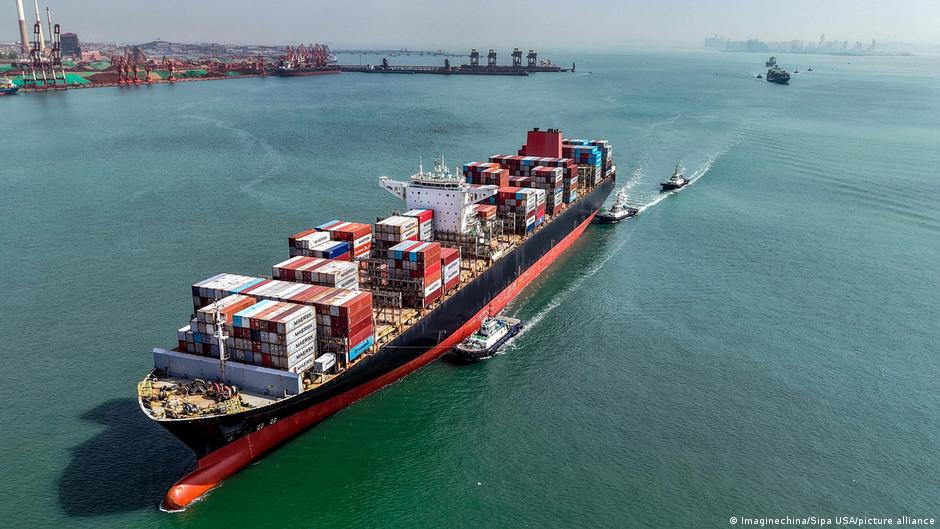
The recent U.S. blockade of Iranian ports and vessels in the Strait of Hormuz has disrupted supply chains, limiting the flow of goods into the country. This move, following peace talks in Pakistan, aims to weaken Iran’s oil export earnings and block its ability to levy tolls on maritime traffic through the vital waterway. The impact on the economy is severe, as trade and production grind to a halt.
A Hard Hit on the Working Class
“The continuation of the war—whether through military action or economic pressure—places the most strain on ordinary people, especially workers, educators, and wage earners,” said Ismail Abdi, a trade unionist and human rights advocate. His comments reflect the growing toll on Iran’s labor force.
Abdi, who was once a member of the Iranian Teachers’ Association, became a target of authorities a decade ago for his activism in supporting teachers’ rights. He was imprisoned for several years on charges of “propaganda against the political system” before being released under international pressure. Since March 2025, he has lived in exile in Germany, where he continues his work on education and free expression.
Economic Consequences and Industrial Collapse
The war has exacerbated Iran’s long-standing economic challenges, including mismanagement and sanctions. Government spokesperson Fatemeh Mohadscherani estimated war-related damage at approximately €229 billion ($270 billion) as of April 14. However, the full scale of losses to critical industries remains uncertain.
Steel production, a cornerstone of Iran’s economy, has been severely affected. The Mobarakeh Steel Company in Isfahan ceased operations after a U.S.-Israeli strike, disrupting supply chains for both military and civilian sectors. Steel is essential for manufacturing weapons, drones, and vehicles, as well as household appliances and construction materials.
With production suspended, thousands of workers have been laid off. Among them, over 10,000 are day laborers in the steel sector. The shutdown also triggered cascading effects, forcing dependent businesses to halt activities. Attacks on petrochemical facilities, such as those in Asaluyeh (South Pars), Mahshahr, and Shiraz, further destabilized employment in regions like Mahshahr, where more than 30,000 jobs are at risk.
Umud Shokri, an energy expert at George Mason University, highlighted the ripple effects of these strikes. “Damage to petrochemical hubs has created a domino effect, crippling labor markets and livelihoods,” she noted in response to a DW inquiry.
As the conflict drags on, the economic and social fallout deepens. The war’s impact on employment underscores the vulnerability of Iran’s workforce, with many now bracing for prolonged hardship.