Can Trump Get a Better Iran Deal Than Obama?
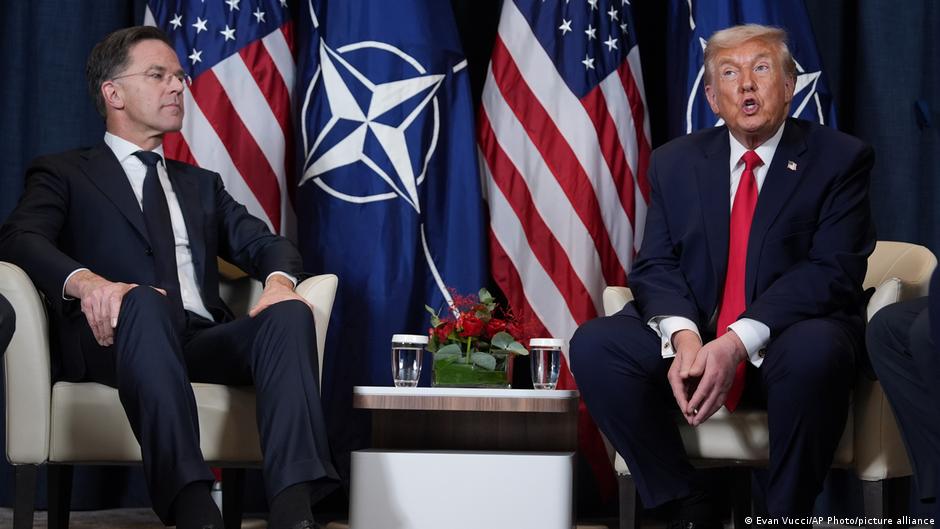
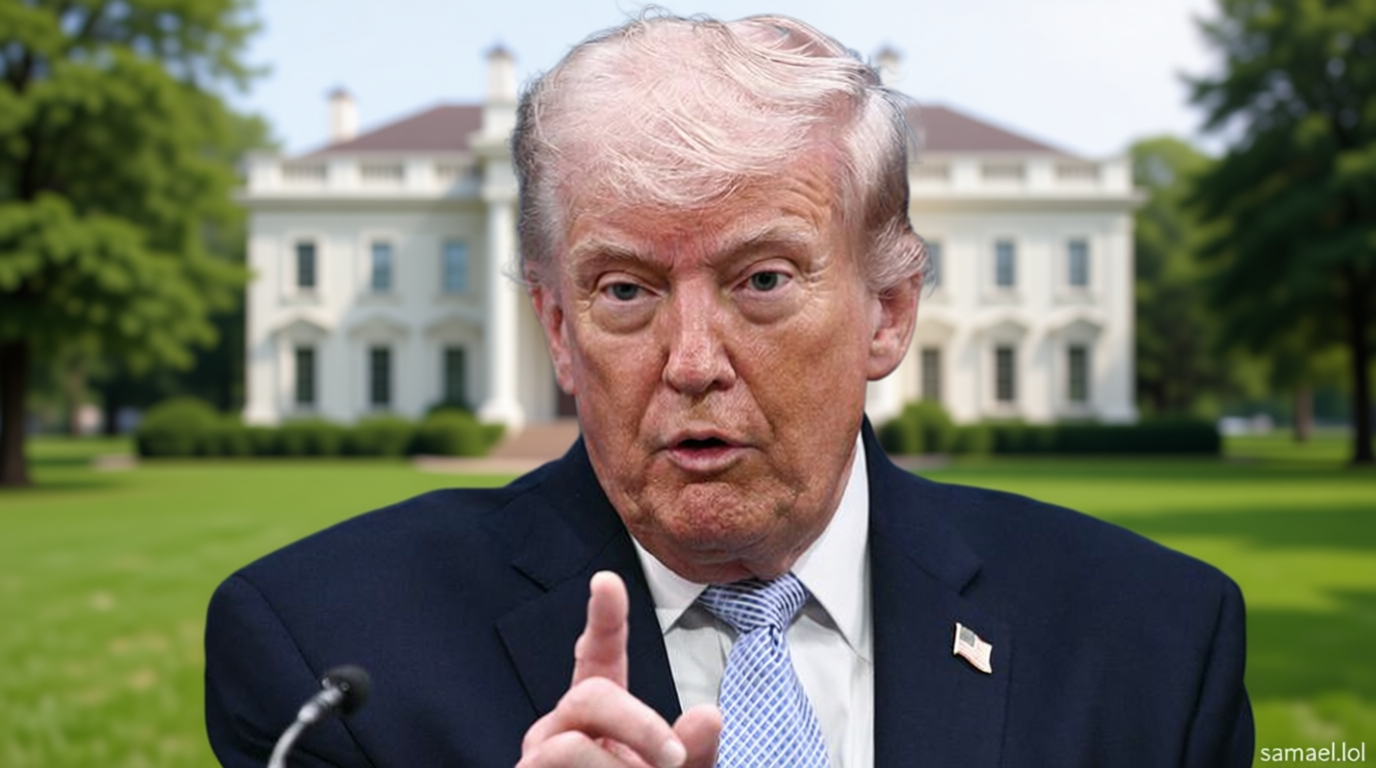
Samael.lol – Following years of stalled talks and a 40-day conflict, negotiations between the United States and Iran have resumed. President Donald Trump has claimed he could secure a more favorable agreement than the one signed under President Barack Obama. The 2015 nuclear deal, known as the Joint Comprehensive Plan of Action (JCPOA), initially restrained Iran’s nuclear capabilities until the U.S. withdrew. Critics argue that the deal did not fully eliminate the threat, leaving room for Iran’s strategic ambitions to grow.
The 2015 Agreement and Its Collapse
More than a decade ago, Washington and Tehran reached a historic accord. The JCPOA, negotiated with Russia, China, and the European Union, aimed to limit Iran’s nuclear program in exchange for sanctions relief. It reduced Iran’s breakout time—the period needed to produce enough fissile material for a bomb—from two to three months to around a year. The International Atomic Energy Agency (IAEA) was granted extensive access to inspect facilities, while economic sanctions were lifted. The deal entered force in January 2016 after compliance was confirmed.
However, the agreement had clear boundaries. It did not restrict Iran’s ballistic missile development or address its influence in regional conflicts, such as support for Hezbollah. “There was a deliberate choice to exclude certain issues,” noted Oliver Meier, a nuclear disarmament expert. “The hope was that resolving the nuclear question would simplify regional security talks. That may have been a miscalculation.”
Trump’s Stance and the Ceasefire
Trump, who withdrew the U.S. from the JCPOA in 2018, argued that the deal was flawed. He called it “the worst ever negotiated” and reimposed sanctions, claiming economic pressure would lead to a stronger agreement. Iran initially stayed in the deal, relying on remaining allies to counter U.S. measures. Over time, though, Tehran began scaling back its commitments, enriching uranium to higher levels and installing advanced centrifuges.
“The outcome was that Iran’s breakout time was considerably shortened,” said Meier. By 2024, the IAEA estimated the time had dropped to weeks or days, though no clear evidence of bomb development was found.
Efforts to revive or replace the deal continued, with renewed talks in 2025 and 2026. These collapsed when the U.S., alongside Israel, launched strikes on Iran on February 28, prompting Iranian retaliation. A ceasefire was agreed on April 8, marking a potential turning point for future negotiations.