What’s behind Israeli attacks along Lebanon’s Litani River?
Samael.lol – Israel is advancing its strategy to establish a defensive buffer by displacing Lebanese civilians and demolishing homes near the Litani River. This area has become a focal point in the ongoing conflict with Hezbollah, a militant group backed by Iran. The river, which spans 145 kilometers, marks the frontline between the two adversaries, reflecting the intensity of their clashes.
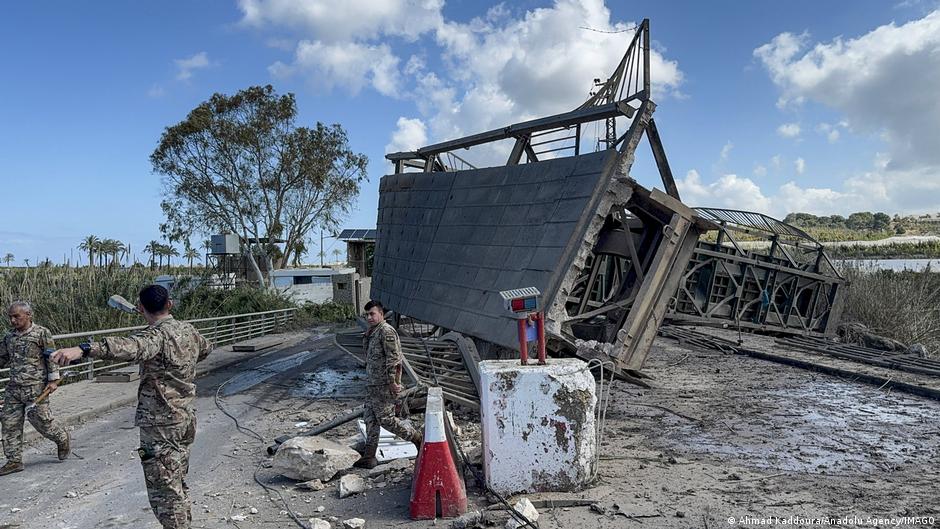
The current situation underscores the vulnerability of international law. As the UNIFIL mission, which has maintained peacekeeping forces in the region since 1978, faces expiration by year’s end, Israel’s military actions have intensified. The government aims to secure its northern border by targeting Hezbollah’s logistical capabilities, including the destruction of bridges to isolate the group.
“We will control the remaining bridges and the security zone up to the Litani,” stated Israel’s Defense Minister, Israel Katz, on March 24. This declaration signals Israel’s intent to create a buffer zone, with warnings to civilians that areas under “terror and rockets” will have no permanent residents.
Hezbollah, designated a terrorist organization by the U.S., Germany, and others, has been a persistent threat to Israeli settlements. The group launched drone and rocket attacks in early March, retaliating for the killing of Iran’s Supreme Leader, Ali Khamenei. These strikes followed Israeli airstrikes targeting Iran on February 28, which Hezbollah responded to with its own attacks.
Lebanese health officials report that the conflict has resulted in nearly 2,000 deaths and displaced approximately 1.2 million people. The Israeli military has urged residents in the south to retreat north of the Litani River, emphasizing the need to eliminate Hezbollah’s threat. Officials also referenced the destruction model seen in Gaza’s Beit Hanoun and Rafah, where border villages were targeted to cut off supply lines.
Historically, the Litani River has been central to Israeli-Lebanese tensions. During Operation Litani in March 1978, Israel invaded Lebanon, occupying territory south of the river. The operation led to the deaths of 1,000 to 2,000 individuals and displaced around 280,000 people, primarily Shiites. This action was a response to an attack by the Fatah faction on March 11, 1978, which targeted a coastal road in northern Israel, killing 37 and injuring 76.
Israeli Finance Minister Bezalel Smotrich recently suggested moving the border with Lebanon to the Litani River, calling it the “new state boundary.” The International Crisis Group noted that Israel is poised to expand its control into a 30-kilometer strip north of the border, holding back from a full offensive to avoid provoking the Trump administration, which prioritizes U.S.-Israel cooperation against Iran.
To view this video, enable JavaScript and upgrade to a web browser supporting HTML5 video. The river’s significance continues to evolve, with both sides using it as a symbol of territorial control and strategic dominance in the region’s volatile conflict.