US Military in Libya: Pursuing Unity, or Pressuring Russia?
Samael.lol – Libya’s participation in an international military exercise marks a historic first. The United States and its allies have brought the country into the event, driven by concerns over security, economic gains, and rivalry with Russia. A drizzle falls as we gather at the Stuttgart army airfield in southern Germany. It’s 2:30 a.m., the moment for departure. A Dash 8 aircraft is prepared for boarding, destined to transport us to Sirte, Libya.
Historically, Sirte became a key stronghold for ISIS in 2015, the extremist group’s largest base outside Iraq and Syria. After months of intense combat, Libyan forces, aided by US airstrikes, reclaimed the city. Yet, the battle for unity continues. The nation has been split between two governments since 2014, with the Government of National Unity (GNU) based in Tripoli under Prime Minister Abdul-Hamid Dbeibah controlling the west. The east, meanwhile, is led by Osama Hammad, supported by Khalifah Hifter’s forces in Tobruk.
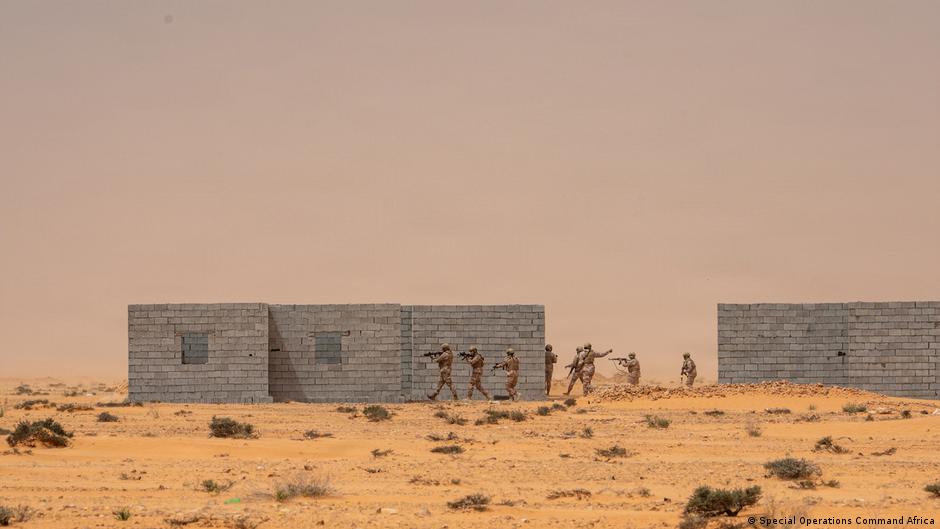
This week, Flintlock 2026—a US-led special operations exercise involving 30 nations—began in Sirte. The event has run annually since 2005, drawing European and African participants. For the first time, Libyan troops are actively engaging, hosting parts of the operation. Onboard the Dash 8, the VIP is Lieutenant General John W. Brennan, deputy commander of the US Africa Command. He emphasizes the significance of Libyan forces from both regions collaborating during the drills.
“The Libyan people deserve unified security forces to protect them and their interests,” Brennan states. “Security breeds prosperity.”
Training scenarios involve simulating terrorist activities, such as kidnapping migrants. US and Libyan special forces must rescue hostages and neutralize threats. The exercise, observed by visiting generals and diplomats, aims to foster cohesion. Gianluca Alberini, Italy’s ambassador to Libya, highlights the broader implications: “A united Libya will offer stability to the entire region.”
US involvement also targets economic opportunities. Stabilizing Libya is seen as crucial for securing access to critical resources, aligning with the national security strategy’s focus on overlapping security and economic interests. The Trump administration actively pursued regional assets, but so do others. Russia, for instance, seeks Libya’s oil and gold, with its Wagner Group mercenaries rebranded as the Africa Corps operating since 2019. Meanwhile, China prioritizes long-term access to minerals through strategic acquisitions.
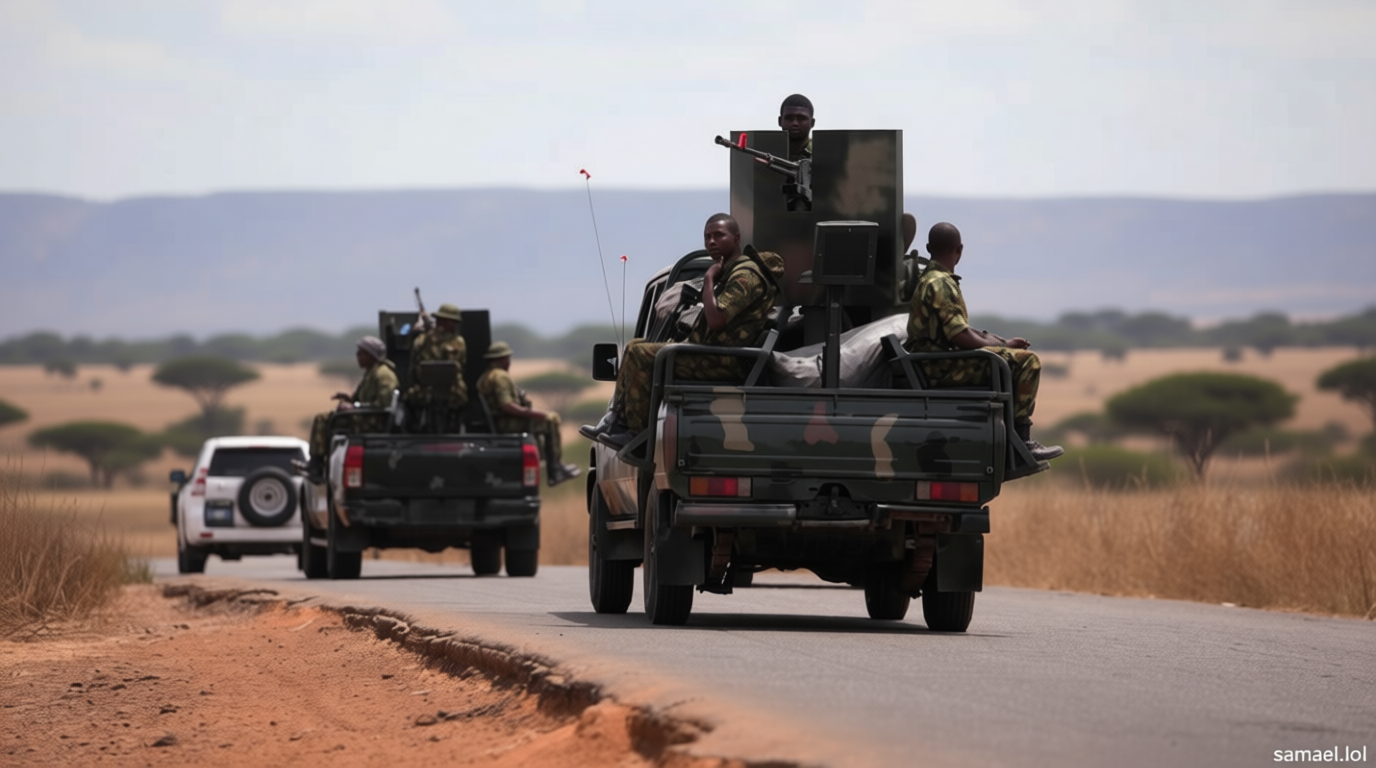
After a five-hour flight, we arrive in Sirte. A long convoy of SUVs transports us to the training site, with soldiers, police, and armored vehicles visible along the route. The event underscores shifting alliances and global ambitions in a country still divided, with competing powers vying for influence.