Chess: Uzbekistan’s New Star Showcases Asia’s Ongoing Ascendancy
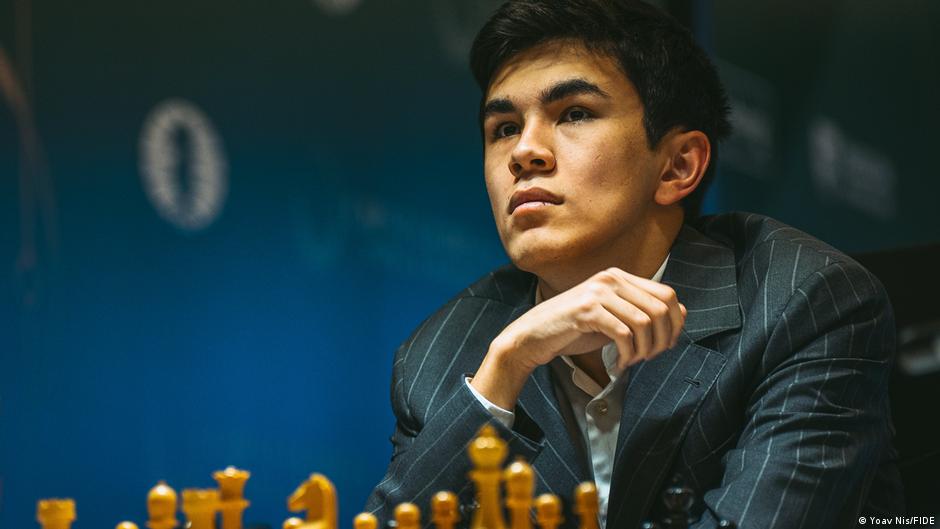
Samael.lol – Javokhir Sindarov, a 20-year-old Uzbek, has secured a place in the World Chess Championship by defeating India’s Dommaraju Gukesh. This victory highlights the growing presence of Asian players in the sport’s elite ranks. Both competitors are under 21, marking a significant shift in the demographic landscape of top-tier chess.
The final decision was made in the tournament’s penultimate round. Sindarov clinched the title after drawing with Anish Giri of the Netherlands, a move that sealed his triumph in Cyprus. “Each round was grueling, and the last week felt like the most intense of my career,” Sindarov reflected post-victory. “I struggled with sleep, but I’m relieved it’s finally over.”
“The young talents in Uzbekistan are truly formidable,” remarked Rustam Kasimjanov, a former elite player, five years prior. Kasimjanov, now based near Bonn, played a pivotal role in cultivating Uzbekistan’s chess surge and trained many of the country’s emerging stars.
Sindarov’s ascent began early, as he became a grandmaster at age 12 and has since maintained stellar form. His dominance in the Candidates Tournament was evident from the start, with a decisive win over Fabiano Caruana, the U.S. favorite and 2018 World Chess Vice-Champion, in the fourth round. This victory placed him ahead in the standings, a position he never surrendered.
In the first six matches, Sindarov achieved five wins—a remarkable feat not seen in a high-level Candidates event before. This trend underscores a broader movement toward younger players from non-traditional chess nations leading the sport. The same pattern emerged in the women’s competition in Cyprus, where India’s Vaishali Rameshbabu triumphed over Russia’s Kateryna Lagno to challenge China’s Ju Wenjun for the title.
Sindarov’s success has positioned Uzbekistan as a rising force in chess, joining China and India as key contenders. His head coach, Roman Vidonyak, originally from Ukraine but long based in Munich, has guided him for about a year. Vidonyak expressed confidence in Sindarov’s potential, stating, “We still have grand ambitions for the future.”
Meanwhile, Germany’s Matthias Blübaum made waves as an underdog. Dubbed “The Lone Wolf from Lemgo” by New in Chess, he became the first German in over three decades to qualify for the Candidates Tournament. Blübaum adopted a cautious strategy, often opting for draws and limiting risks. Even Sindarov managed only two draws against him, while Blübaum recorded just two losses.
“It’s astonishing how confidently Blübaum faces the world’s top players,” noted Ingrid Lauterbach, president of the German Chess Federation. “His performance in Cyprus was a standout moment for our nation.”
Germany now boasts two strong players: Blübaum and Vincent Keymer, who ranked in the top 10. Together, they represent the country’s renewed influence in international chess. While Gukesh, the reigning champion, faces Sindarov in late 2026, he has seen his form decline since claiming the title in 2024, currently ranking 15th globally.
Magnus Carlsen of Norway remains the acknowledged best player, though he has shifted focus to alternative formats. The stage is set for Sindarov to challenge Gukesh, with the young Uzbek aiming to solidify his place as a dominant figure in the sport’s next generation.