Cyprus: Global politics felt at Candidates chess tournaments
Global Chess Scene Shifts to Cyprus
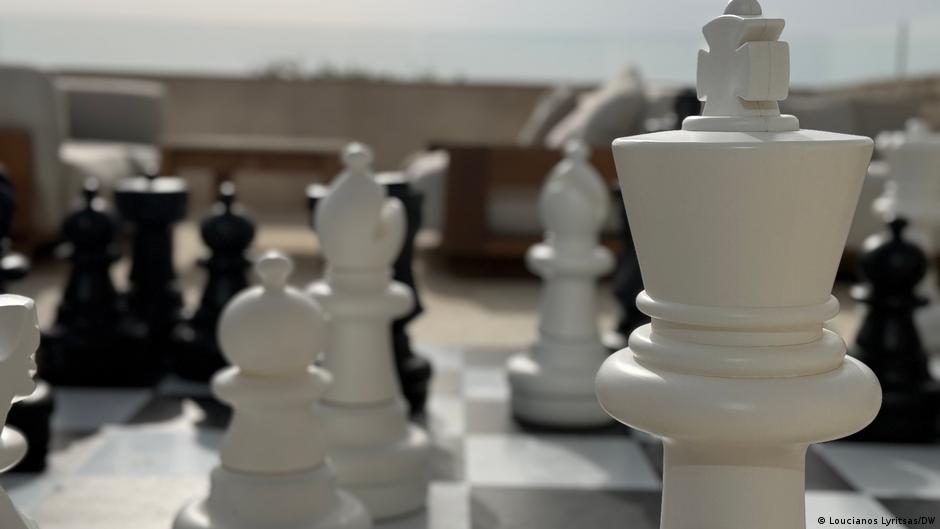
Samael.lol – The FIDE Candidates tournaments, pivotal events in the global chess calendar, have drawn international attention this year with their relocation to Cyprus. While the island nation may not traditionally be a hub for chess enthusiasm, the tournaments brought together top-tier players and highlighted the geopolitical undercurrents shaping the competition.
From Banana Farms to Chess Hubs
Once renowned for its banana plantations, Peyia—a coastal town in Cyprus—has transformed into a center of development thanks to foreign investment. Russian investors have played a key role in this shift, leading to the creation of high-profile projects like the Cap St Georges complex. This luxury resort, featuring a hotel and numerous beachfront villas, became the venue for the 2026 FIDE Candidates and Women’s Candidates tournaments.
Players and Politics Collide
The competition saw participation from some of the world’s most celebrated grandmasters, including Fabiano Caruana, Hikaru Nakamura, Anish Giri, Matthias Bluebaum, and Uzbekistan’s Javokhir Sindarov. Sindarov’s triumph earned him the right to face World Champion Gukesh Dommaraju. In the women’s category, India’s Vaishali Rameshbabu secured her place against Ju Wenjun, the reigning Women’s World Champion.
Geopolitical tensions were palpable during the event. The ongoing conflict in the Middle East disrupted international travel, prompting Indian player Koneru Humpy to withdraw. In a statement on X, she said:
“No tournament, no matter how important it may be, can take precedence over personal safety and well-being.”
Her absence was swiftly filled by Ukrainian Grandmaster Anna Muzychuk.
Russia’s Influence and Neutral Participation
The war in Ukraine also cast a shadow over the tournaments. FIDE imposed sanctions on Russian players, requiring them to compete under a neutral flag without national symbols or anthems. Despite this, Russian athletes like Andrey Esipenko and Aleksandra Goryachkina participated, reflecting the community’s strong presence.
Limassol, Cyprus’s southern coastal city, became a focal point for Russian-speaking residents. Estimated at 40,000, this group includes dual nationals and long-term residents. Over 30,000 are believed to reside in Limassol alone, underscoring the city’s role as a cultural and economic nexus for the community.
Legacy of Soviet Influence
The Russian-speaking community in Cyprus expanded after the Soviet Union’s dissolution. Driven by investment opportunities, real estate growth, and favorable tax policies, it has since embedded itself in local life. From business ventures to educational institutions, their impact is evident in everyday activities.
Vlad, a local chess fan, noted the deep-rooted cultural significance of the game in Russia:
“My parents learned it at school.”
His playful reference to “Little Russia: Limassol” highlighted the city’s strong Russian presence, even as the tournament unfolded in a broader international context.