Spain, Brazil, Mexico vow to boost Cuba aid amid US threats
Samael.lol – Spain, Brazil, and Mexico have committed to enhancing support for Cuba, highlighting the humanitarian situation exacerbated by U.S. sanctions and the potential for military action. The announcement follows a meeting of leftist leaders in Barcelona, where they also addressed the growing influence of global far-right movements.
Joint Statement and Commitment to Dialogue
The three nations issued a shared declaration, emphasizing the need for multilateral cooperation and opposing any armed intervention in Cuba. They asserted that the Cuban populace should have the autonomy to shape their own destiny, while urging sustained efforts to alleviate the crisis caused by the ongoing U.S. oil embargo.
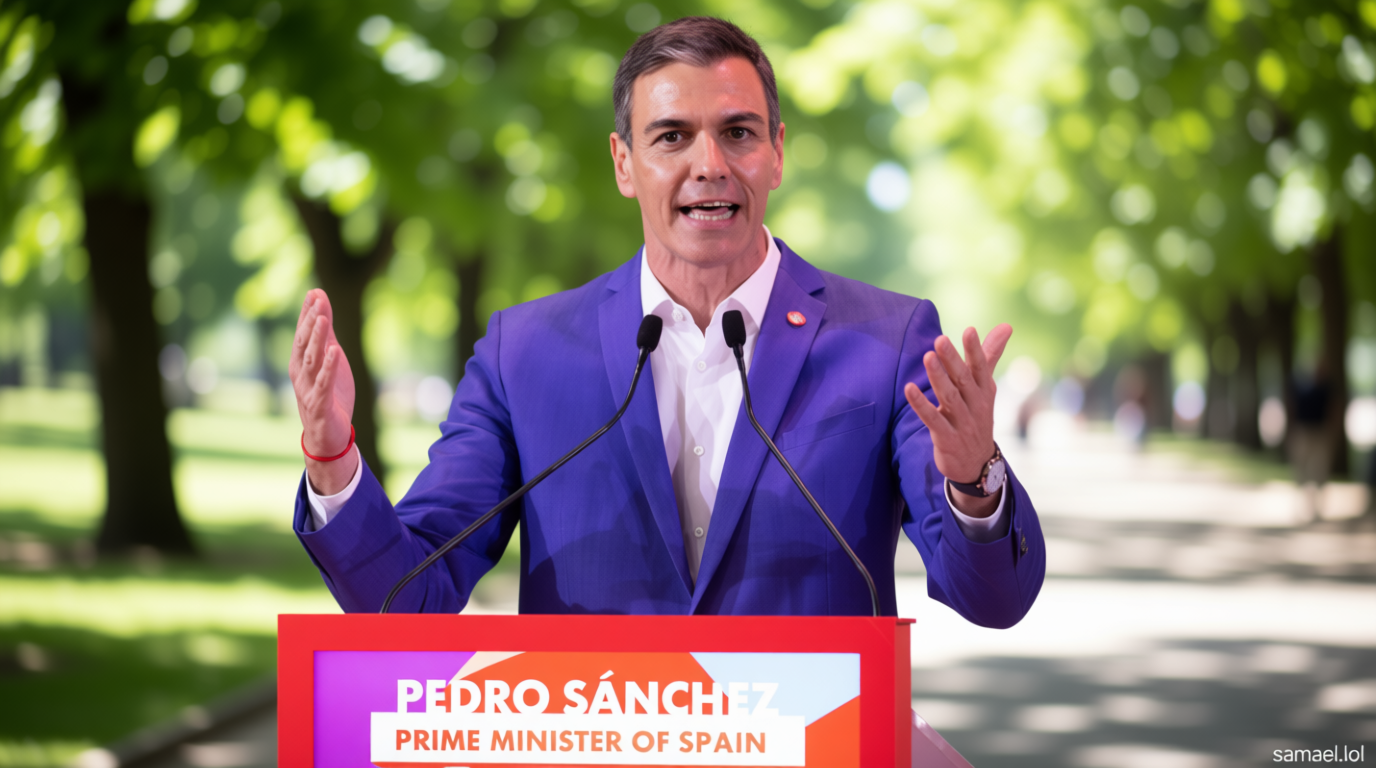
“Democracy cannot be taken for granted,” said Spanish Prime Minister Pedro Sánchez during the opening of the IV Meeting in Defense of Democracy, the first of two events held in Spain’s second-largest city. He further criticized U.S. policies, particularly the attacks on international institutions and the escalation of conflict with Iran.
Trump’s recent rhetoric has targeted Cuba, with repeated calls for military action and a sanctions policy that has disrupted the nation’s energy supply. The oil embargo has contributed to widespread power outages, a consequence of the U.S. economic pressure on the Caribbean country. This backdrop underscores the leaders’ decision to strengthen Cuba’s aid programs.
Global Summit and Progressive Alliances
The summit brought together a diverse group of leftist figures, including South Africa’s Cyril Ramaphosa, Colombia’s Gustavo Petro, and Germany’s Lars Klingbeil, who also serves as the nation’s finance minister. These leaders united to counter the rising influence of far-right ideologies, which they view as a threat to global stability and democratic principles.
“We all see the attacks against the multilateral system, the repeated attempts to undermine international law, and the dangerous normalization of the use of force,” Sánchez remarked. He further accused the far right of fostering xenophobia, climate change denial, and sexism as their key mistakes.
Meanwhile, Trump criticized Spain on his social media platform, labeling the nation’s financial performance as poor. He pointed to Spain’s minimal contributions to NATO and its resistance to increasing military spending to 5% of GDP. Sánchez, who has led Spain since 2018, has been a vocal opponent of Trump’s foreign policies.
Regional Tensions and Historical Context
Mexican President Claudia Sheinbaum, who proposed a motion to caution against U.S. military actions in Cuba, made her inaugural visit to Spain since assuming office in October 2024. The trip follows years of strained relations, dating back to 2019, when Mexico demanded Spain apologize for colonial-era abuses in the Americas.
Spain’s King Felipe VI recently acknowledged the “abuse” during colonial conquests, but Sheinbaum clarified that there had never been a formal diplomatic crisis between her country and Spain. The summit also featured Venezuela’s opposition leader Maria Corina Machado, who joined a right-wing rally in Madrid, contrasting with the progressive agenda of the other attendees.