US Strikes on Alleged ‘Drug Boats’ Spark Legal Controversy
Samael.lol – The U.S. military has intensified operations against suspected drug vessels, sparking debates over the legality of these actions. Critics argue that the strikes, while targeting smuggling routes, may be more about reinforcing support for Trump’s political allies than addressing the root issue of drug trafficking.
Targeting Smugglers in the Caribbean
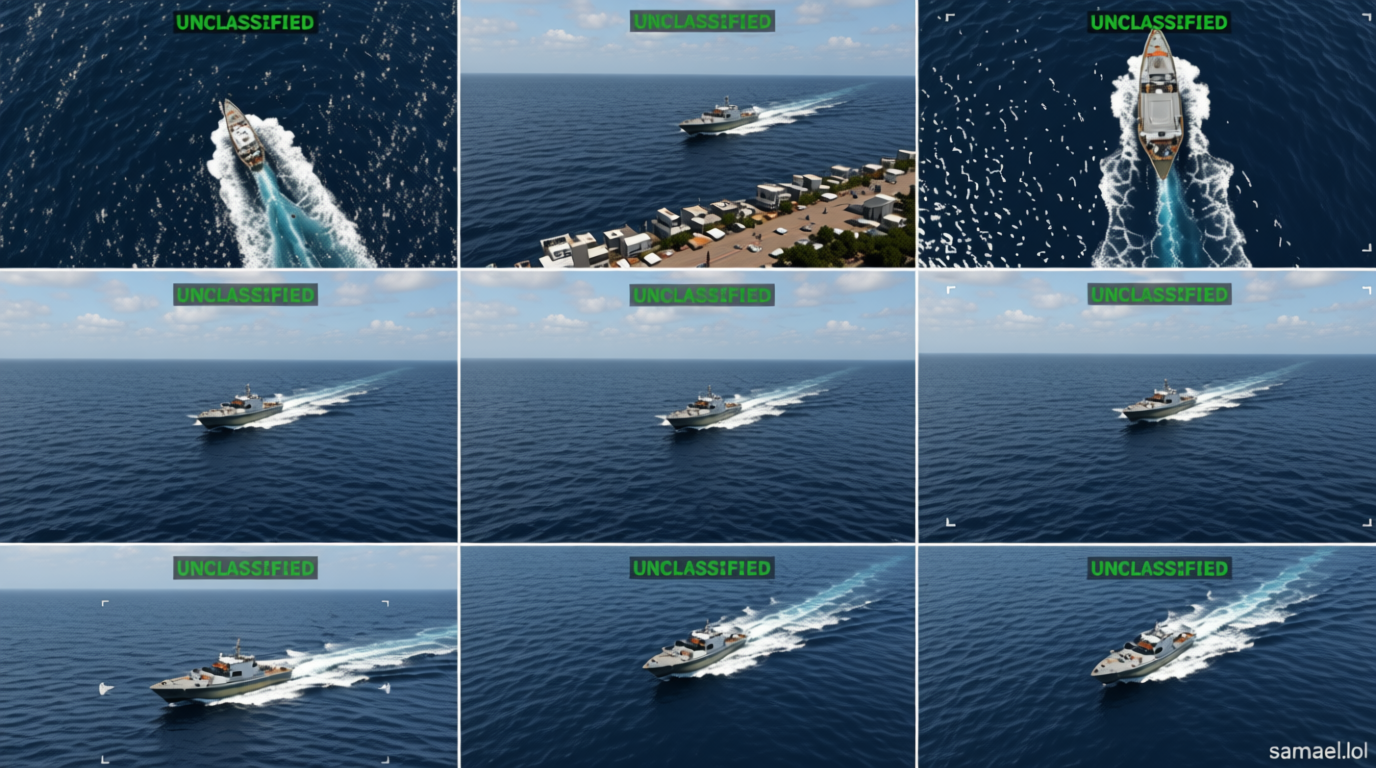
Since September 2025, the U.S. Navy’s Southern Command has launched over 50 attacks on boats allegedly used by cartels to move narcotics from South America to U.S. shores. According to reports, at least 177 individuals have been killed in these operations. However, the U.S. government has not provided proof that the targeted ships were carrying illicit cargo or disclosed the identities of those slain.
Some nations and human rights organizations have expressed concern, claiming that the strikes may be killing innocent fishermen. Carlos Perez Ricart of Mexico’s Center for Economic Research and Teaching (CIDE) called the actions “extrajudicial killings,” emphasizing the lack of due process.
“These strikes are extrajudicial killings,” said Carlos Perez Ricart, a Mexico-based analyst.
Legal Justifications and Designations
The Trump administration has defended the attacks, framing them as acts of self-defense against cartel activities it classifies as armed threats. In a strategic move, it initially labeled Mexican drug cartels, El Salvador’s Mara Salvatrucha gang, and Venezuela’s Tren de Aragua as foreign terrorist organizations, a step that gained traction in February 2025.
Later in December 2025, Trump officially designated fentanyl as a “weapon of mass destruction,” a classification that could justify broader military action. Legal experts question whether these designations accurately apply to the current situation, but the U.S. maintains they are necessary for international compliance.
Impact of Drug Trafficking
Drug cartels have caused significant harm in the U.S., with tens of thousands of overdose deaths annually linked to narcotics from Latin America. Fentanyl, primarily manufactured in Mexico, is the leading cause of fatal overdoses, accounting for nearly 70% of lethal cases. Its potency has even been used as a weapon, as seen in the 2002 Moscow Dubrovka theater siege.
While most deadly strikes occur in the Caribbean—where drugs are typically shipped to Europe—many narcotics also enter the U.S. via the Pacific. National security expert Manuel Supervielle, a former Southern Command lawyer, acknowledges that smugglers have grown more cautious but notes that non-lethal methods, such as disabling boat engines from helicopters, were previously employed.
“Snipers would take out the engines, leaving the crew helpless,” Supervielle explained to DW.
Despite these efforts, Alex Papadovassilakis of InSight Crime suggests that while U.S. attacks have disrupted some Caribbean routes, the flow of drugs continues. “Cartels have many more options,” Papadovassilakis told DW, “especially as sustained military pressure is difficult to maintain.”