Iran Conflict: Trump Claims U.S. Captures Iranian Cargo Ship
Samael.lol – President Donald Trump asserted that U.S. forces had intercepted an Iranian-flagged cargo vessel near the Strait of Hormuz, marking a significant escalation in tensions. The ship, named Touska, was reportedly attempting to bypass a naval blockade, according to his statement on Truth Social. Trump emphasized that the operation “stopped them right in their tracks by blowing a hole in the engineroom,” and that Marines had assumed control of the vessel to investigate its cargo.
“Our Navy ship stopped them right in their tracks by blowing a hole in the engineroom,” Trump wrote. “Our Marines had taken custody of the ship and were ‘seeing what’s on board!’”
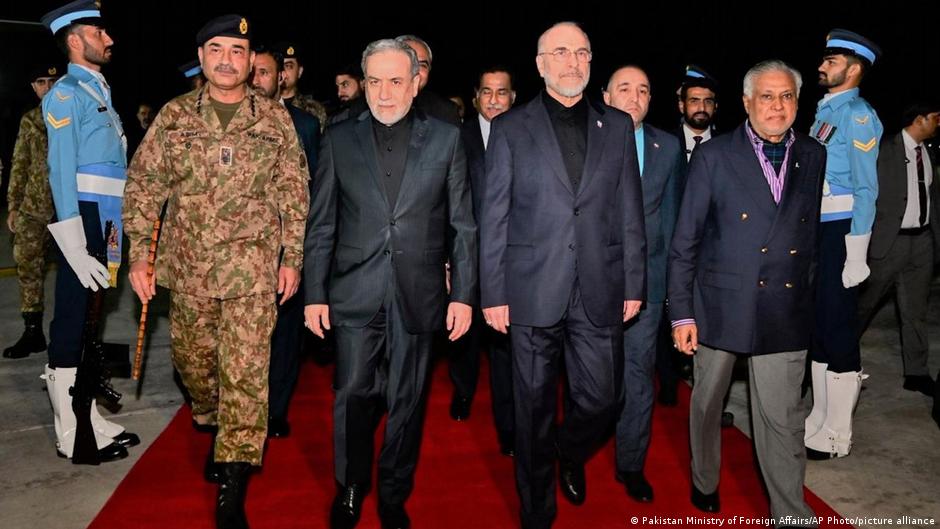
Meanwhile, the U.S.-Israeli conflict with Iran saw renewed diplomatic activity. Pakistani Prime Minister Shehbaz Sharif shared insights from his discussions with Iranian President Masoud Pezeshkian, highlighting Iran’s participation in peace talks in Islamabad. “I appreciated Iran’s engagement, including its high-level delegation to Islamabad for the historic talks,” Sharif stated on X, noting his prior meetings with Saudi Arabia, Qatar, and Türkiye leaders.
However, Iranian state media cast doubt on the prospects of further negotiations. IRIB reported in English that Tehran had no plans to engage in the next round of talks, leaving the initiative’s future uncertain. The agency criticized Washington for its “maximalism and unreasonable demands,” while Fars and Tasnim news outlets cited anonymous sources warning of a “very positive” atmosphere in the negotiations.
Amid these developments, maritime traffic remained volatile. Only one other cruise ship, the Celestial Discovery (formerly Aida aura), had crossed the Strait of Hormuz since the war began on February 28. TUI Cruises confirmed that its Mein Schiff 4 and Mein Schiff 5 vessels navigated the strait safely, though both operated with reduced crews after passengers were evacuated. The company secured clearances from authorities, acknowledging the security risks.
German Chancellor Friedrich Merz had previously pledged support for mine clearance and reconnaissance missions to safeguard the strait. Yet, just days later, Iran reopened the waterway under the Israel-Lebanon ceasefire, despite earlier claims it was “completely open.” The reversal raised concerns about ongoing threats from underwater mines, which could still endanger commercial and military vessels.
US Vice President JD Vance will return to Islamabad for the next round of talks, with Trump’s envoy Steve Witkoff and Jared Kushner joining the delegation. Trump had initially hesitated to send Vance, citing security concerns. “It’s only because of security,” he told ABC News, adding, “JD’s great.” The first phase of negotiations ended without progress after 21 hours in Islamabad.
As tensions persist, the fate of the Iran-US talks hangs in the balance. The U.S. continues to assert its dominance in the region, while Iran’s strategic moves highlight the complexity of the conflict. The Strait of Hormuz remains a focal point, with its security situation shaping the broader geopolitical landscape.