Lose ‘no ball games’ signs to get nation moving – MPs
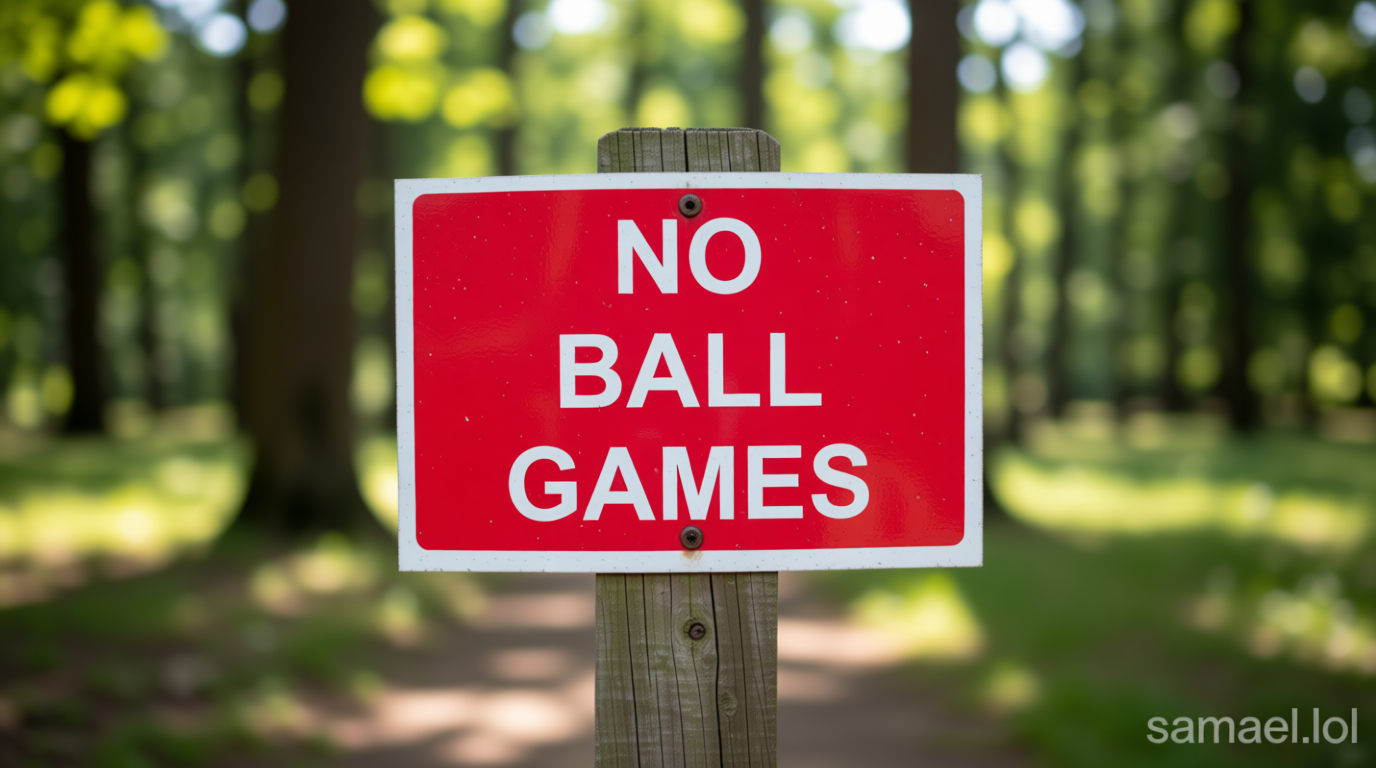
Samael.lol – A new report by the Culture, Media and Sport Committee highlights several obstacles to promoting sport and physical activity in England. Key recommendations include elevating physical education (PE) to a core academic subject and eliminating unnecessary ‘no ball games’ signs in public spaces. These measures aim to create more opportunities for children and young people to engage in active play.
The report identifies ongoing financial challenges, inadequate facilities, and a lack of emphasis on sport in the school curriculum as major barriers. It emphasizes the need for a unified national strategy to enhance participation and improve public health outcomes. Additionally, the MPs urge the government to boost funding for school and community sports, aiming to increase current spending from 0.3% to at least 0.6% of total government expenditure over the next decade.
Emily Robinson, chief executive of London Sport, praised the report as a timely intervention. She noted that the findings align with the charity’s ongoing efforts to remove ‘no ball games’ signs, which are claimed to deter up to 560,000 Londoners from playing. “Small, practical changes can unlock spaces and open doors for more active lifestyles,” she said, citing support for the ‘More Ball Games’ campaign.
“When women’s sport is regularly shown on free-to-air TV, girls are more likely to feel inspired and motivated to be active,” the report argues. It suggests creating a dedicated broadcast slot for women’s football to challenge gender stereotypes and grow audiences.
The MPs also propose exempting women’s football from the ‘3pm blackout’ rule, which currently blocks live matches from being aired between 2.45pm and 5:15pm on weekends. This change, they claim, would help elevate the profile of women’s sports and encourage broader participation.
Committee chair Dame Caroline Dinenage MP stressed the importance of addressing systemic issues in sport. “Despite strong interest and local initiatives, sport remains under-recognized in national health policies,” she stated. “A statutory duty on local authorities to provide sporting facilities is essential.” The report further calls for a minimum of two hours of high-quality PE weekly, arguing that its non-core status has diminished its value and contributed to rising inequalities in activity levels.
According to the report, integrating PE into the core curriculum would ensure its prominence across education and reduce the pressure on school timetables. It also advocates for stronger planning protections to safeguard playing fields and other sports infrastructure. The MPs insist that investing in sport yields social and economic benefits, including potential savings in health and welfare budgets.
Following a year-long review, the committee concluded that systemic reforms are needed to make sport a central part of national life. They argue that without these changes, the health, wellbeing, and learning advantages of physical activity will continue to be missed by many children, especially those who are least active.