Bulgaria enters uncharted territory as Radev wins big
Electoral Shift Redefines Political Landscape
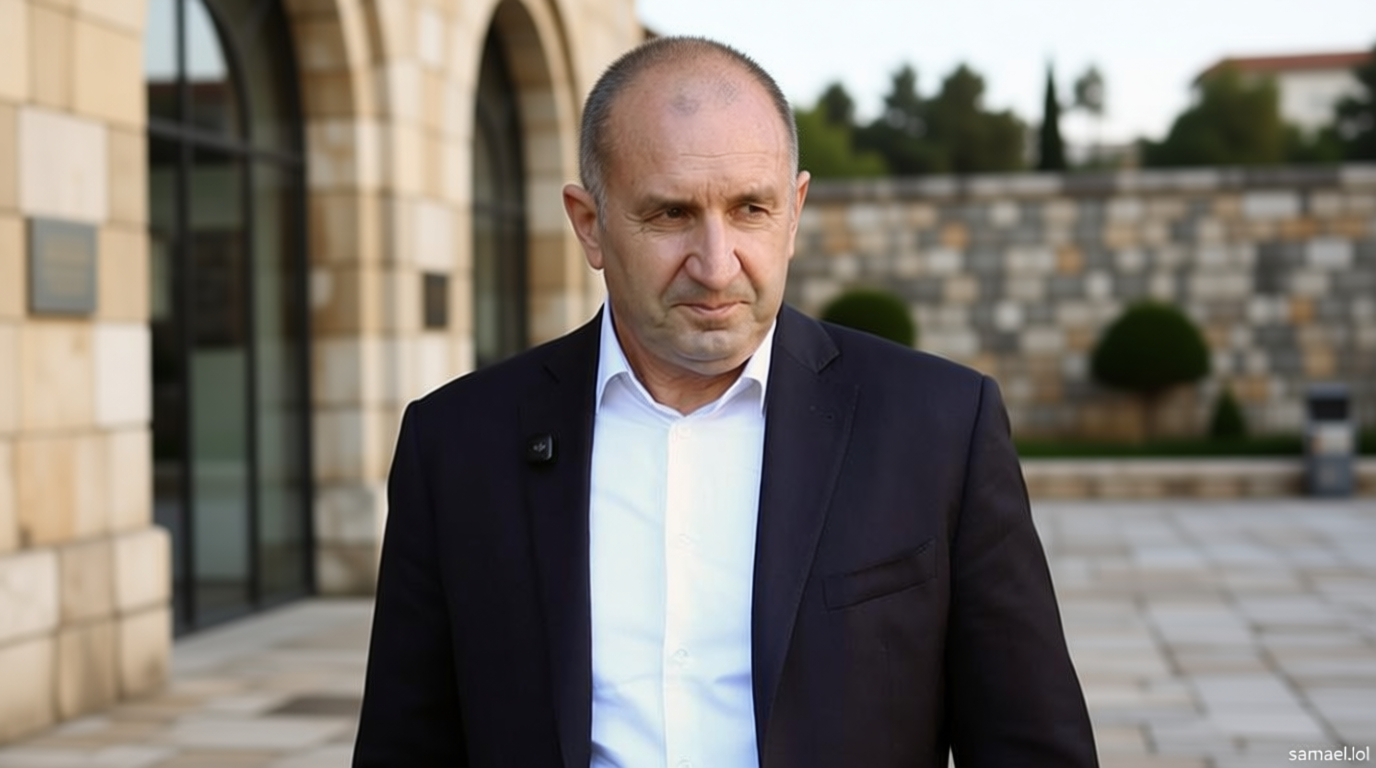
Samael.lol – Early election results indicate that Rumen Radev, the former president, has secured a decisive win in Bulgaria’s general election, achieving a majority and the highest vote share for a single party since 1997. The Progressive Bulgaria party now holds 44.7% of the vote, with 96% of ballots officially counted, granting it an absolute parliamentary majority—a first for any party since the 1990s.
This outcome signals a significant transformation, reducing the number of parliamentary parties from nine to just five. Established coalitions, including GERB, the Bulgarian Socialist Party, and There is Such a People, have seen their influence wane. GERB, led by Boyko Borissov, dropped to 13.4%—its lowest in history—while the DPS party’s leader, Delyan Peevski, fell to 6.6%.
Protests and Voter Sentiment
The election results follow months of public dissent against Borissov and Peevski, who were linked to corruption scandals. Protesters accused both leaders of maintaining systemic graft and steering policy from behind the scenes. These demonstrations, which peaked in December, reportedly contributed to the shift in voter allegiance.
“Progressive Bulgaria has won decisively. This is a victory of hope over mistrust, a victory of freedom over fear,” Radev stated after the initial count, emphasizing that “the people rejected the complacency and arrogance of the old parties and did not succumb to lies and manipulation.”
The Interior Ministry confirmed that vote-buying remained a critical issue, reporting 631 and 318 incidents linked to DPS and GERB respectively. Over €1.2 million in alleged bribes was seized, with 370 individuals detained. Minister Emil Dechev noted, “I am convinced that what has been seized is only a very small part of the whole,” highlighting the role of 50 immune figures in election fraud.
Future Challenges and Policy Priorities
Radev’s mandate faces immediate demands, including drafting a 2026 budget—Bulgaria’s first since joining the eurozone in January—and implementing anti-inflation measures tied to Middle Eastern conflicts. Antony Todorov, a political science professor, observed, “Two big expectations in our society are justice and judicial reform, as well as stability.”
While Radev’s projected 130-132 parliamentary seats suggest a strong mandate, analysts warn that the road to governance will require swift action. His coalition may still need to secure support from smaller parties to navigate legislative hurdles and address deepening public concerns over corruption and economic stability.