Etas Bundesliga debut a milestone marred by misogyny
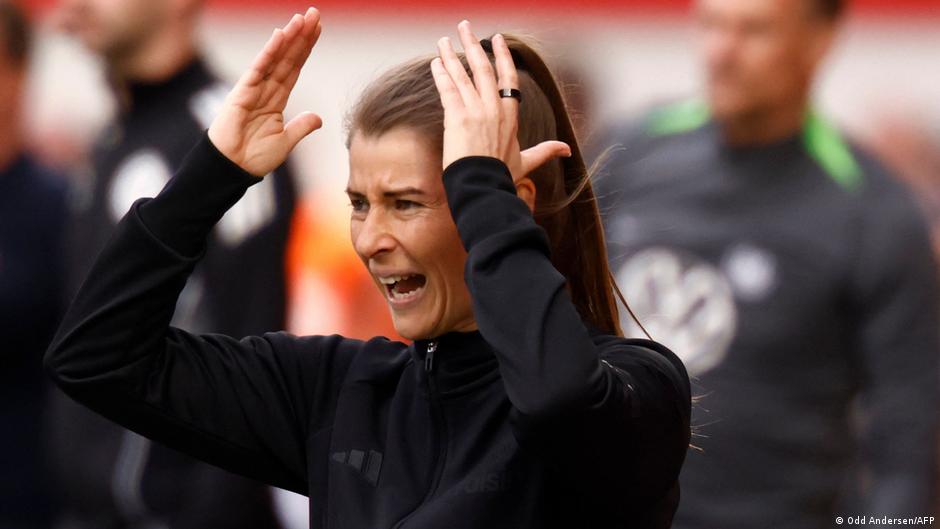
Samael.lol – Marie-Louise Etas historic first appearance as a head coach in the men’s Bundesliga concluded with a 2-1 loss to Wolfsburg. Though her appointment marks a significant step forward, the online responses to her role have revealed lingering gender biases. The German Football Association (DFB) has approximately 4,000 female coaches licensed to work with professional teams, yet Etas experience underscores the challenges women still face.
Bayern Munich’s 13th consecutive men’s Bundesliga title in the past 14 seasons was a predictable outcome, but the controversy surrounding Etas coaching debut captured global attention. Social media platforms were flooded with sexist remarks, prompting Union Berlin to address the comments directly. Vice-president Celia Sasic of the DFB praised the club’s approach, stating it was “absolutely the right thing.”
“The comments are unacceptable. They’re not just targeted at one person, but challenge core values of our sport: respect, fairness, and equality,” Sasic added.
Etas team suffered a 2-1 defeat, but she remained focused on the game. “It says more about the people posting it online than the people being discussed,” she remarked post-match. Helen Nkwocha, a Black British coach with similar experiences, highlighted the common struggles faced by women in the sport. She became the first female coach of a men’s top-tier European team in 2021 with the Faroe Islands club Tvoroyar Boltfelag.
“As female coaches, especially at a competitive level, we often encounter such remarks,” Nkwocha told DW. “In the Faroe Islands, I received racially offensive messages and comments about the island’s geographic location.”
Union Berlin’s support for Etas appointment has been notable, but some critics suggest her temporary role may influence future decisions. “We shouldn’t assume she’ll prioritize a men’s job over her move to the women’s team,” Union president Dirk Zingler noted. “That does a disservice to women’s football.”
Robin Afamefuna, a professional player and cultural anthropologist studying football’s biases, emphasized the importance of Etas example. “Visibility and role models are crucial for young girls. Seeing a woman in this role shows it’s possible,” he said. “That wasn’t an option before.”
Despite progress, Afamefuna argued systemic barriers persist. “It’s a deeply rooted issue affecting women in football,” he added. “We must break down these structures to create equal opportunities.”
Etas debut demonstrated that football’s patriarchal framework can be challenged, yet the backlash highlighted how much work remains to ensure women are treated fairly. The milestone, while celebrated, has also sparked a broader conversation about gender equality in the sport.