F1 bosses to use ‘scalpel rather than baseball bat’
Mercedes dominates early 2026, but rule tweaks loom
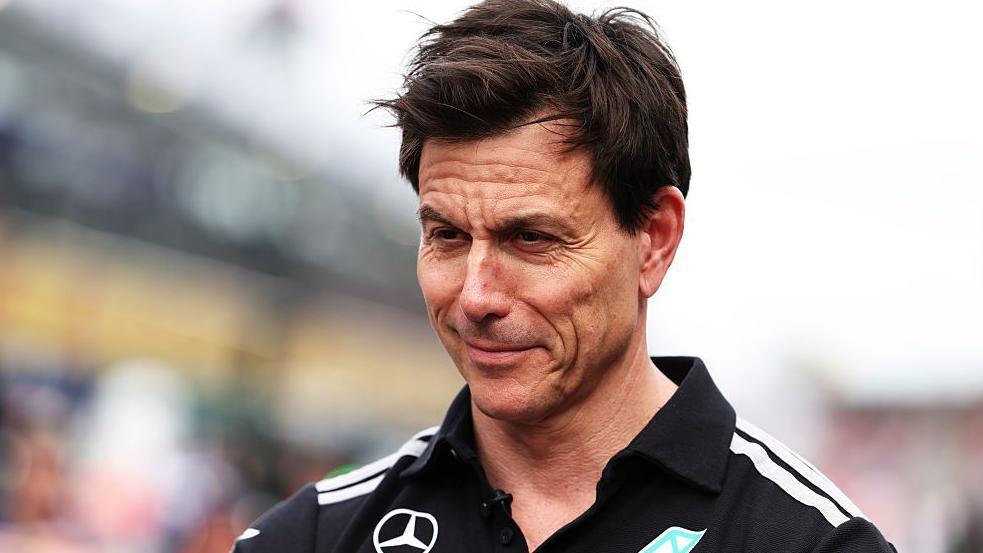
Samael.lol – Mercedes, led by team principal Toto Wolff, has secured victories in the first three Formula 1 races of 2026. At a strategic gathering on Monday, Wolff emphasized that F1 officials would apply a ‘scalpel approach’ to modifying regulations, rather than sweeping, drastic changes. This meeting involves collaboration between team leaders, the FIA, and Formula 1’s commercial rights holders to refine the sport’s power-unit rules amid driver feedback.
“The dialogue among drivers, the FIA, Formula 1, and teams has been productive. We all aim for the same goals: enhancing the spectacle of racing, improving safety, and ensuring the sport remains competitive,” Wolff stated.
Red Bull’s Max Verstappen expressed dissatisfaction with the latest car designs, hinting at potential future decisions in the sport. His concerns focus on the new power units, which blend internal combustion and electric systems in a 50-50 ratio. This setup, paired with intricate regulations, has altered traditional racing dynamics, introducing new challenges in energy management.
Verstappen criticized the shift in qualifying procedures, noting that drivers must now ‘lift and coast’ to recharge batteries, reducing the intensity of high-speed corners. He also highlighted how variations in battery levels and the use of ‘boost’ and ‘overtaking’ modes create significant speed gaps between cars, affecting race flow.
“I’m cautiously hopeful we’ll enhance racing quality while maintaining its core strengths. If we can make qualifying more thrilling and address safety, without compromising the essence of overtaking, that’s a positive direction,” Wolff added.
Among the proposed changes, removing the 250kW battery recharging limit during full throttle is anticipated before the Miami Grand Prix in early May. Currently, teams can only recharge at this lower threshold, forcing drivers into more conservative driving styles. The FIA also seeks to tackle closing speeds when one car is at peak power and another is depleted, a factor in a notable incident involving Haas driver Oliver Bearman during the Japanese Grand Prix.
Bearman’s crash, which occurred at 50G forces, was attributed to a misjudgment in a high-speed scenario. Wolff acknowledged the accident but stressed that it doesn’t signal the need for radical overhauls. “Safety is paramount, but there’s still exceptional racing happening. Our role is to balance innovation with the sport’s traditions,” he explained.
With just three races completed, the F1 community remains focused on incremental improvements. Wolff believes the current adjustments, though modest, align with the sport’s evolving objectives. “We’ll revisit decisions if needed, but for now, the path is clear,” he concluded.