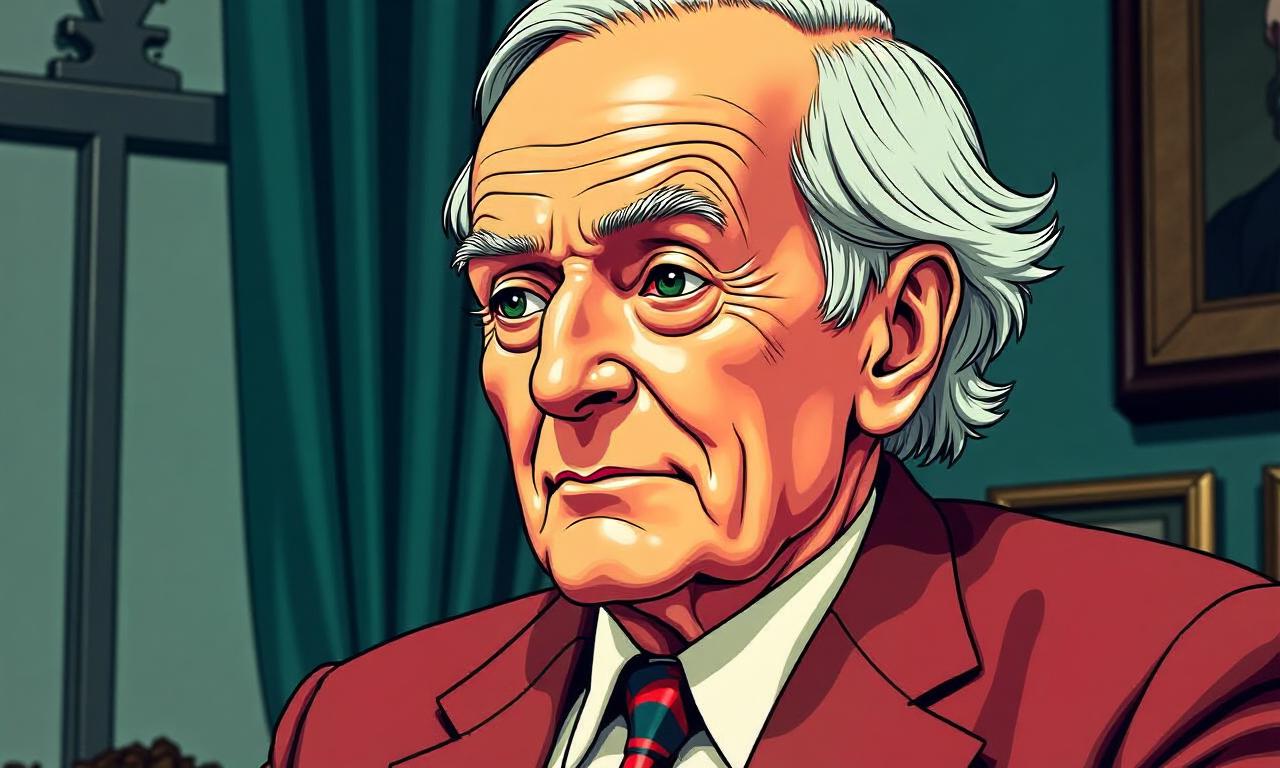
Zoologist and author Desmond Morris dies aged 98
Samael.lol – Desmond Morris, a multifaceted figure known for his work as a zoologist, author, artist, and television presenter, has passed away at the age of 98. His son Jason shared the news of his father’s death on 20 April, honoring him as “a great man and an even better father and grandfather” who embraced a life defined by “exploration, curiosity and creativity.”
A Controversial Thesis
His most renowned work, The Naked Ape, published in 1967, established him as a leading voice in exploring human behavior. The book positioned humans as inherently ape-like, even with our technological progress and evolutionary advancements. It combined the playful term “naked” with Darwinian ideas about animal behavior, framing human actions through an evolutionary lens rather than cultural norms.
“Sexual intercourse began,” wrote Philip Larkin, “in 1963… between the end of the [Lady] Chatterley’s Lover ban and the Beatles’ first LP.”
In the wake of the sexual revolution, Morris’s book joined a wave of works that captured the attention of a newly liberated public. Alongside titles like Germaine Greer’s The Female Eunuch and Alex Comfort’s The Joy of Sex, The Naked Ape became a cultural touchstone. Written in four intense weeks, it offered insights into human habits, challenging assumptions about the origins of sexuality and societal norms.
Early Life and Ethology
Desmond John Morris was born on 24 January 1928 in Purton, near Swindon. As a child, he witnessed his father’s slow death from wartime injuries, fostering a deep resentment toward human conflict. This led him to seek refuge in nature, spending time at a family lake and closely observing wildlife. At Birmingham University, he pursued zoology but rejected animal experimentation, instead championing the study of behavior—a field he later helped pioneer as an ethologist.
Art and Evolutionary Thought
Morris’s artistic inclinations emerged early. During his national service, he taught soldiers about fine arts and displayed surrealist works with Joan Miró. His later experiments explored animal aesthetics, such as giving a chimp named Congo a paintbrush. He argued that artistic expression was not unique to humans, a concept that amused Picasso, who famously bit visitors after seeing Morris’s creations.
At a gathering, Morris met publisher Tom Maschler and proposed the book that would shape his career. Maschler, captivated by the idea, urged him to write it for years. The final result—a month-long burst of writing—became an instant success, selling 20 million copies and applying Darwinian logic to human activities like mating and conflict.
Legacy and Later Years
Morris once managed the Institute of Contemporary Arts but left it to pursue a more leisurely life. With newfound wealth, he purchased a 27-room villa in the Mediterranean, enjoying sailing in summer and writing in winter. His work at London Zoo, including efforts to breed pandas, highlighted his belief in the interconnectedness of nature and human behavior, leaving a lasting imprint on both science and culture.