Digital Memory at Stake: News Outlets Block Wayback Machine
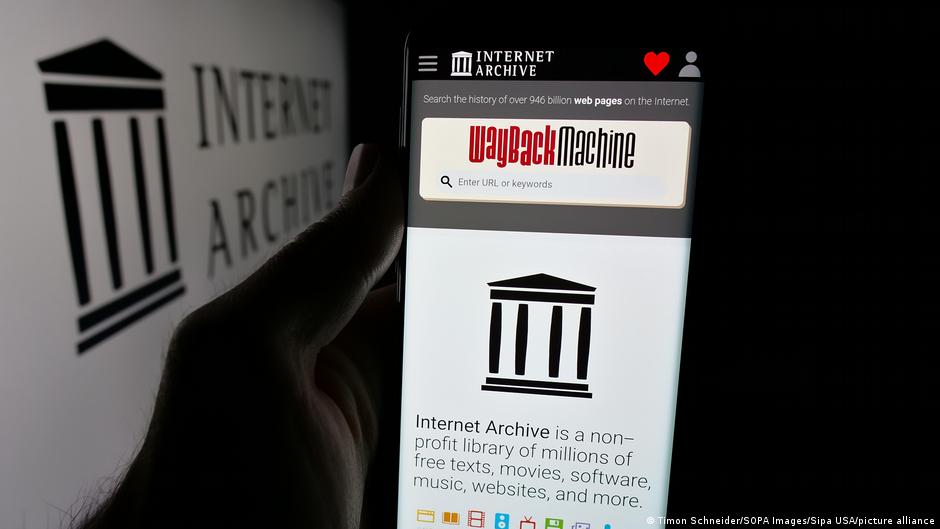
Samael.lol – The Wayback Machine, a vital repository of digital history, is now under siege. As the internet archive.org continues its mission to preserve online content, an escalating number of media organizations are restricting its ability to store their articles. This initiative, launched three decades ago, has safeguarded over a billion web pages, serving as a crucial resource for journalists, researchers, and legal professionals seeking original versions of deleted or altered content.
A Threat from the News Industry Itself
Despite its importance, the Wayback Machine faces an existential challenge. Recent reports reveal that 241 major outlets across nine countries are actively blocking the archive’s web crawlers. Notable among them are the UK’s Guardian, the New York Times, France’s Le Monde, and USA Today Co., the largest US newspaper group. This raises an ironic dilemma: the very entities that rely on the archive for investigative purposes are now restricting its access.
“The issue is that Times content on the Internet Archive is being used by AI companies in violation of copyright law to directly compete with us,” stated Graham James, a spokesperson for the New York Times.
The archive has become a target for AI firms like OpenAI and Google, which harvest its data to refine language models. Evidence shows massive bot activity on archive.org, siphoning content from media sources to train these systems. Mark Graham, director of the Wayback Machine, explained that some companies accessed the archives at rates exceeding tens of thousands of requests per second, straining the platform’s servers.
Archive.org, dedicated to an open internet, cannot easily exclude automated tools. Its mission is to ensure “universal access to all knowledge,” a principle that now places it in conflict with major publishers. The Electronic Frontier Foundation (EFF) emphasized the paradox: “Imagine a newspaper publisher declaring it will no longer permit libraries to retain copies of its paper.”
Meanwhile, over 100 journalists have endorsed the archive, signing a petition that highlights its role in combating link rot and corporate data control. In their open letter, they argue: “Without the Wayback Machine, much of journalism’s recent history would already be lost.”
Graham is engaging in discussions with media outlets to revive access. Yet, his concerns remain clear: “The tightening grip on the public web is diminishing society’s ability to grasp current events.” Martin Fehrensen, founder of socialmediawatchblog.de, adds that archive.org is the sole active chain maintaining the open web. If it fails, “millions of Wikipedia source notes lose their roots,” he warns, underscoring the broader implications for digital transparency and accountability.