EU Proposes Steps to Tackle Energy Crisis Amid Iran War
Samael.lol – Brussels has introduced a comprehensive energy strategy to address current challenges and future uncertainties, driven by escalating fuel costs and supply disruptions linked to the ongoing conflict in the Middle East. The European Commission outlined a series of initiatives under the “AccelerateEU” framework, aiming to bolster energy security and transition toward sustainable alternatives. Despite global market volatility, the EU’s energy infrastructure has maintained stability, though price fluctuations and shortages persist as potential threats.
Resilience and Risk
While Europe’s energy system has shown resilience, officials caution that ongoing price spikes and fuel scarcity remain critical concerns. “This must be a wake-up call and a turning point,” stated EU Energy Commissioner Dan Jorgensen during a press event in Brussels. He emphasized the urgency of shifting away from fossil fuels, even if diplomatic tensions between Iran and the US ease. According to the Commission, the crisis’s effects are expected to linger for years, underscoring the need for long-term solutions.
“These higher costs come without receiving a single extra molecule of energy,” the Commission noted, highlighting the financial strain caused by the war.
Policy Actions
The proposed measures include reducing oil and gas dependence through electricity tax cuts, which may encourage adoption of energy-efficient technologies like heat pumps. Additionally, the EU plans to expedite the development of local clean energy sources to replace traditional fuels. Coordinating gas procurement timelines and releasing oil reserves are also part of the strategy to stabilize prices. A fertilizer initiative aims to diversify supply chains and boost domestic production, while relaxed subsidy rules allow member states to cover up to half of price increases since the war began.
Jet Fuel Concerns
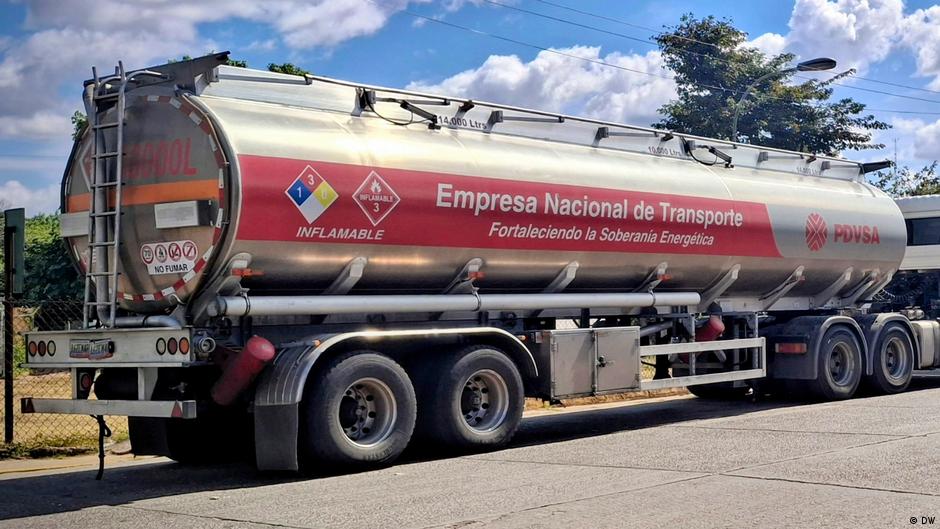
With the summer travel season approaching, jet fuel availability is a pressing issue. The EU relies on approximately 40% of its jet fuel imports, half of which transit the Strait of Hormuz. A Commission document directed to EU capitals urged maximizing the oil refining sector’s capacity to meet current demand, particularly for aviation fuel. To mitigate risks, Brussels is mapping transport fuel supplies, exploring alternative sources, and suggesting improved distribution mechanisms.
Transport and Tourism Commissioner Apostolos Tzitzikostas recently addressed worries about potential shortages, stating there’s no indication of mass flight cancellations in the near future. He added that increasing imports from the United States and mandating minimum jet fuel reserves are being evaluated as contingency options. Since the Iran war began, the bloc has allocated an extra €24 billion to energy imports, reflecting the growing economic impact of the crisis.
To view the related video, ensure JavaScript is enabled and use a browser supporting HTML5 video. The EU’s latest moves signal a dual focus on immediate relief and long-term energy independence, aligning with broader efforts to reduce vulnerability to geopolitical tensions.