Reza Pahlavi Calls for Regime Change in Iran During Berlin Visit
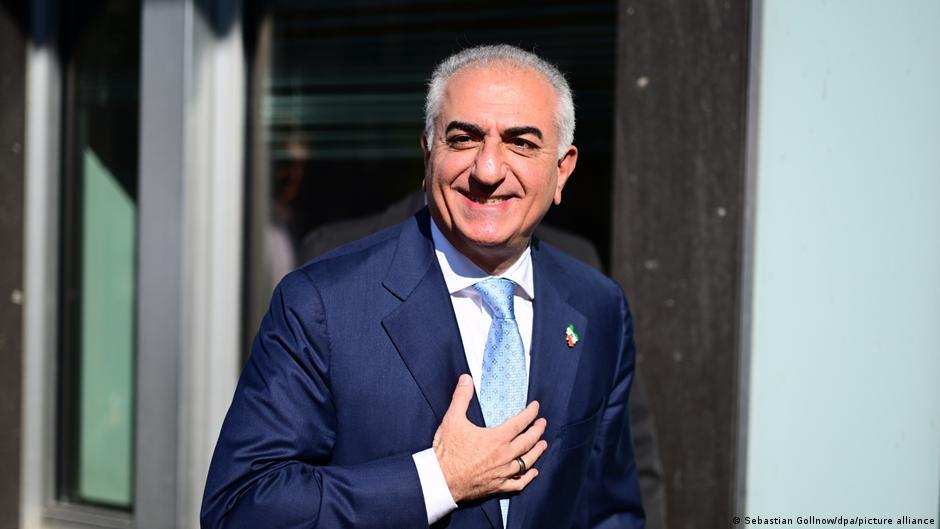
Samael.lol – During his recent visit to Germany, Reza Pahlavi, the son of Iran’s former Shah, has been actively seeking backing for his international effort to replace the current leadership in Tehran. Speaking in the German capital, he criticized the government’s decision not to engage with him, labeling it “a disgrace.” Pahlavi, who remains in exile, argued that European nations must not grant concessions to Iran’s regime, claiming that ongoing negotiations would merely sustain the existing power structure.
“If you think you can make peace with this regime, you are sorely mistaken,” he declared during a press conference on Thursday. “Even a weakened version of this system will not bring stability.” Pahlavi framed the choice as one between a “dying regime” threatening global interests and a “free Iran.” He emphasized that the regime is now “a wounded beast,” with no true reformers among its current leaders.
The exiled prince highlighted the execution of 19 political prisoners in the past two weeks, questioning whether the “free world” would remain passive or act against such actions. Pahlavi has positioned himself as a potential leader for a democratic shift if the Iranian leadership falls, though his role is seen as both a hope and a point of contention within the opposition.
Political Meetings and Public Backing
Pahlavi, who resides in Maryland, USA, is expected to meet with Armin Laschet, a CDU lawmaker, and foreign policy officials from other parties. However, there are no plans for him to engage directly with the federal government. When asked about this, Foreign Minister Johann Wadephul stated that Pahlavi’s visit was as a private individual and that political dialogue was not the government’s responsibility.
Despite the lack of formal talks, Pahlavi’s supporters gathered in Berlin to protest for Iran’s leadership change. Counter-protests also occurred, and he was briefly targeted by a tomato hurled at him after his press conference. Laschet, who leads the Bundestag’s foreign policy committee, defended the engagement, asserting that Pahlavi is “the only well-known face of the opposition” and a viable transitional figure.
“He sees himself not as a permanent ruler, but as a transitional leader,” Laschet told ARD. “If the regime were to truly fall, many Iranians could rally behind him.” Pahlavi, however, remains confident in his domestic support, stating that millions have cheered his name in the streets. “They trust me,” he said.
Analysts note that Iran’s leadership has shown no signs of yielding, even after sustained US-Israeli pressure and a naval blockade. While Pahlavi enjoys backing from monarchists, his legitimacy among broader opposition groups is debated. Critics argue he is too aligned with Israel and lacks the democratic credentials to lead a new era in Iran. The extent of his support within the country remains uncertain.