What is Europe’s plan to secure the Strait of Hormuz?
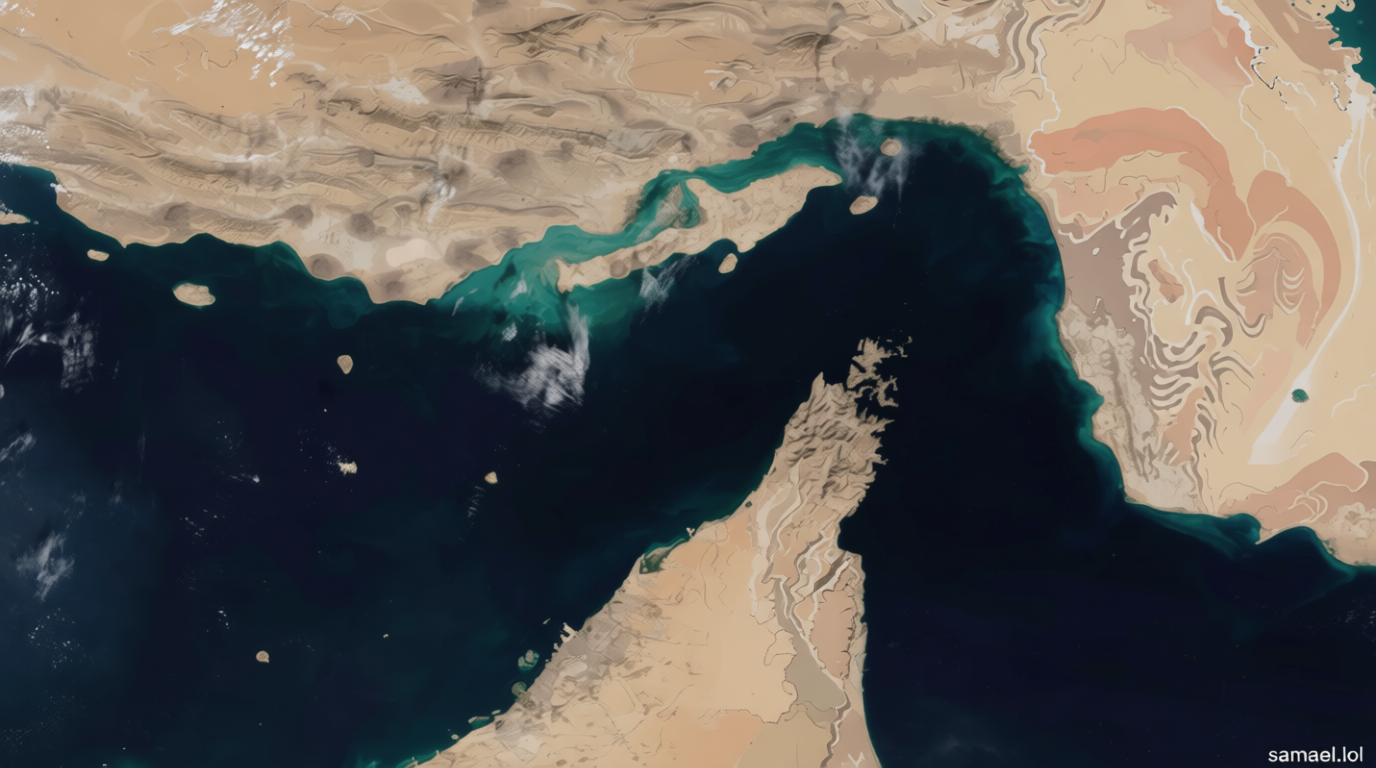
Samael.lol – In response to recent disruptions in maritime traffic through the Strait of Hormuz, France and the UK have taken the initiative to form a multinational coalition aimed at protecting commercial vessels in the region. The mission seeks to stabilize the critical waterway, which is vital for global trade, by ensuring the safety of ships from potential threats. A summit in London this week brought together military strategists from 30 nations to explore the logistics of such an operation and its potential impact on international commerce.
A Defensive Approach
The proposed operation, spearheaded by the UK and France, is described as strictly defensive. Its primary goal is to shield merchant ships from attacks rather than engage in land-based operations. According to the two countries, the mission would be activated only following a peaceful resolution between the US and Iran. Jürgen Ehle, a retired German naval officer and former EU military advisor, emphasized that the focus would be on responding to direct threats, such as missile strikes or drone assaults, rather than launching preemptive strikes.
“Such a mission would involve defending vessels targeted by missiles, drones, or fast attack craft, rather than striking Iranian military infrastructure or troops on land,” Ehle noted. This approach aims to minimize escalation while maintaining a robust presence in the region.
Contributions and Challenges
The European Three—Germany, France, and the UK—are set to play a central role in the mission. Germany has pledged mine-clearance vessels and surveillance capabilities, contingent on parliamentary approval. Chancellor Friedrich Merz stressed the importance of a legal framework before deployment. France, already stationed with eight warships, an aircraft carrier, and two amphibious vessels in the eastern Mediterranean, plans to redirect some assets to support the effort. President Emmanuel Macron highlighted that the Charles de Gaulle carrier could be part of this shift.
“Naval assets must be used to safeguard Europe’s interests first,” said Bence Nemeth, a defense scholar at King’s College London. “They can’t rely on the US as much as before.” Nemeth also warned that deploying forces to the Gulf might strain European resources, especially amid heightened tensions with Russia in the Baltic and North Atlantic regions.
Operational Risks and Broader Goals
Despite the defensive strategy, challenges persist. David B. Roberts of the Royal United Services Institute described the threat landscape as “layered,” ranging from slow, low-altitude drones to fast anti-ship missiles. “Air defense systems do not guarantee 100% security,” Roberts added, underscoring the complexity of ensuring safety in the area.
Analysts agree that naval efforts alone are insufficient. “A diplomatic settlement, where Iran voluntarily reduces hostilities, is the only way to halt attacks entirely,” Roberts stated. To broaden the coalition, France and the UK are reaching out to non-European partners like India and South Korea, aiming to enhance diplomatic influence and restore commercial shipping flows.
“Countries have varying motivations for joining these discussions,” Nemeth explained. “Common concerns include freedom of navigation, adherence to international law, and the security of energy supplies.” He further warned that controlling a vital maritime corridor through force could set a dangerous precedent for global trade.