Trump says Israel-Lebanon ceasefire extended by three weeks
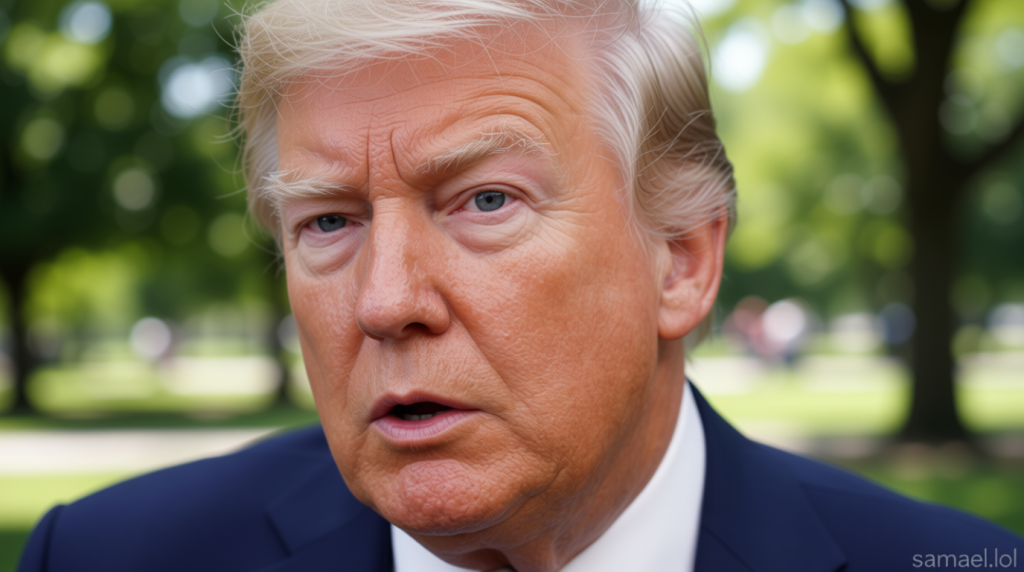
Trump says Israel-Lebanon ceasefire extended by three weeks
Following a White House meeting with senior Israeli and Lebanese officials, U.S. President Donald Trump declared that the current ceasefire between Israel and Lebanon will be prolonged by an additional three weeks. The agreement comes after recent military actions, including Israeli strikes on southern Lebanon and Hezbollah’s retaliatory rocket attacks on northern Israel.
Ceasefire Extension Details
The initial 10-day truce, which began last Friday, was scheduled to expire on Monday. Trump emphasized the U.S. commitment to supporting Lebanon’s defense against Hezbollah, stating,
“The meeting went very well! The United States is going to work with Lebanon in order to help it protect itself from Hezbollah.”
He also hinted at future diplomatic efforts, mentioning his anticipation of welcoming Israeli Prime Minister Benjamin Netanyahu and Lebanese President Joseph Aoun for a visit.
Trump expressed optimism about a lasting peace deal, asserting there is a “great chance” for a resolution between the two nations this year. However, the ceasefire extension was prompted by escalating tensions, with Hezbollah accusing Israel of violating the truce by targeting the town of Yater in southern Lebanon. In response, the Iran-backed group launched rocket attacks on the Shtula area near the border, claiming it was a defensive measure.
Nuclear Weapon Comments
During the same press event, Trump addressed the possibility of using nuclear weapons against Iran. When asked about the option, he replied,
“Why would I use a nuclear weapon? We’ve totally, in a very conventional way, decimated them without it.”
He further stated,
“No, I wouldn’t use it. A nuclear weapon should never be allowed to be used by anybody.”
The White House reiterated that preventing Iran from acquiring nuclear capabilities remains a central objective of the ongoing conflict.
Despite Iran’s potential buildup of military assets during the two-week ceasefire, Trump claimed the U.S. could neutralize these threats “in about one day.” He also reiterated that joint operations with Israel had already crippled Iran’s naval and air forces. When pressed on the timeline for a permanent peace agreement, the president advised,
“Don’t rush me.”
Meanwhile, he warned of continued higher gas prices for Americans, attributing the global increase to the war’s impact on energy markets.
International Military Coordination
Defense ministers from the United Kingdom and France shared their confidence in a multinational mission aimed at securing the Strait of Hormuz. The plan, discussed during a two-day summit in London, seeks to ensure commercial shipping can navigate the vital waterway safely, with the capacity to clear mines and protect vessels if needed. “Real progress can be made,” the ministers stated in a joint declaration.
Iran has maintained its stance against reopening the strait while the U.S. enforces its port blockade. The U.S. military confirmed the arrival of the aircraft carrier USS George H.W. Bush in the Middle East, underscoring its strategic presence in the region. The carrier, part of the Nimitz-class fleet, operates within the Central Command’s area of responsibility.