Farage to Make Statement on His ‘Future in Public Life’
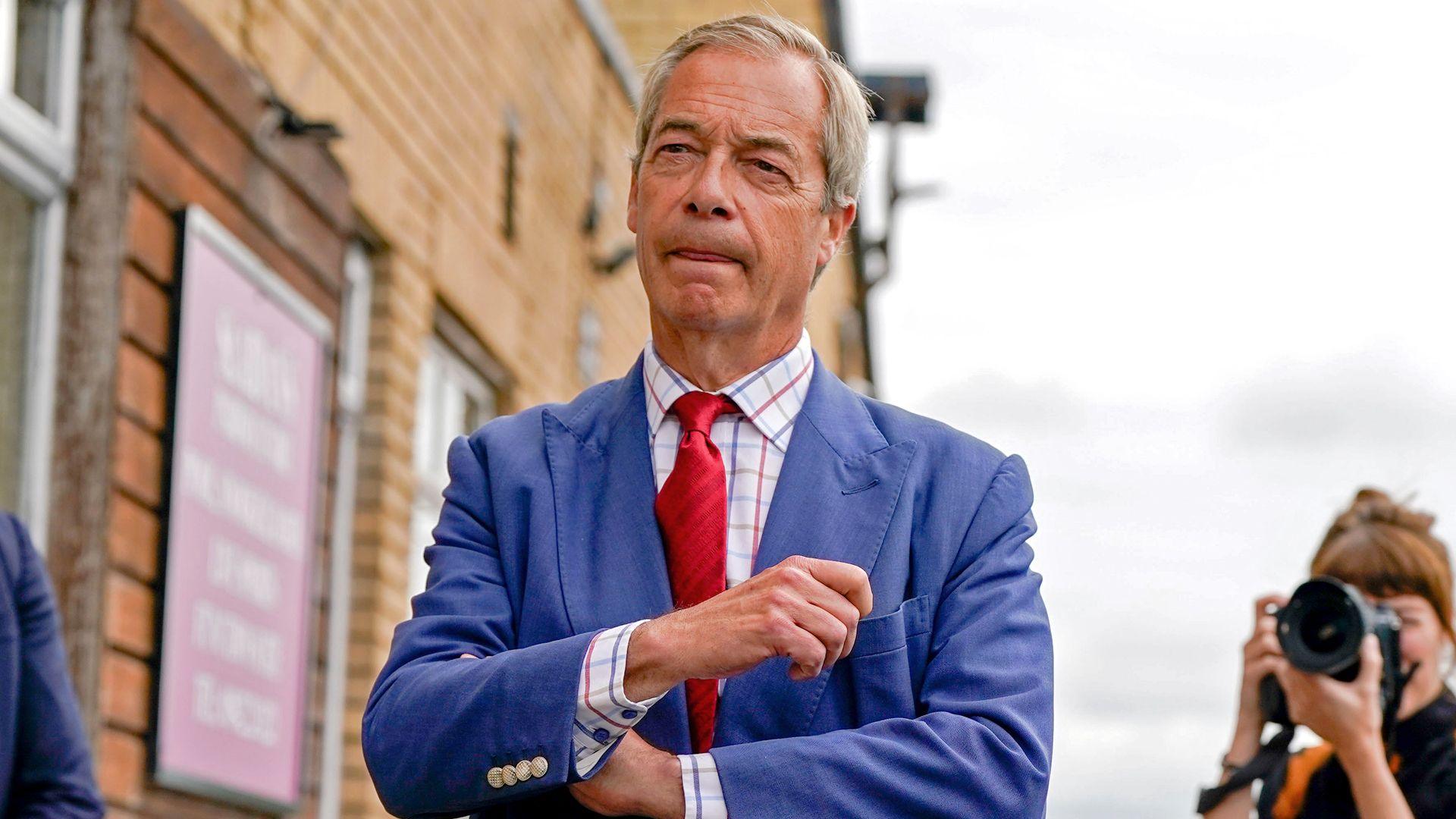
Samael.lol – Nigel Farage, the leader of Reform UK, is set to address concerns surrounding financial support he has received, as a new wave of scrutiny emerges over his eligibility to remain in public office. The announcement of his upcoming statement, scheduled for 14:00 BST, follows revelations that he did not disclose benefits provided by an ally, George Cottrell, who was previously convicted of fraud in the United States. Rival political parties have expressed interest in launching a parliamentary inquiry into the matter, adding pressure on Farage to clarify his stance.
Financial Scrutiny Intensifies
The controversy surrounding Farage’s finances has been a recurring topic in recent months, particularly after the exposure of a £5 million gift from Christopher Harborne, a British cryptocurrency investor based in Thailand. This donation, made in April 2024, was received before Farage became an MP and has sparked debate about whether it qualifies as a political contribution or a purely personal benefit. Harborne, a key financial backer of Reform UK, has contributed £15 million to the party since the start of last year, underscoring his significance in the organization’s funding structure.
Over the weekend, The Sunday Times reported that Farage had also received support from Cottrell prior to the 2024 election. This included payments for staff who managed his security and social media content, as well as the use of a property near Buckingham Palace rented by Cottrell. The article described Cottrell as “Posh George,” a nickname that has become synonymous with the controversy surrounding his role as a financial ally to Farage.
Farage’s Defense of His Actions
Farage has consistently maintained that he adhered to the rules and did nothing wrong. In response to the latest allegations, he stated:
“I have done no wrongdoing, followed the rules and I am now considering legal action against the Sunday Times.”
He argued that the financial support he received, including the £5 million gift, was not linked to his political activities and therefore did not require public disclosure. His team similarly defended the “in kind” benefits provided by Cottrell, claiming they were not registered because they were not directly tied to his parliamentary duties.
The rules governing financial declarations for newly elected MPs stipulate that any gifts or benefits related to their political or parliamentary work must be reported. However, there is an exemption for items deemed “purely personal.” The guidelines advise MPs to evaluate both the giver’s intent and the purpose of the gift, with a clear directive that “if there is any doubt, the benefit should be registered.” Despite this, Farage only listed a £9,253 trip to Belgium and a £15,276 donation for a US domestic flight in the Register of Members’ Financial Interests, leaving other forms of support from Cottrell unaccounted for.
Investigations and Legal Responses
The Liberal Democrats have initiated a request for the parliamentary standards commissioner to investigate the matter, following the publication of The Sunday Times’ findings. Meanwhile, Labour has also asked the Electoral Commission to review whether Cottrell’s contributions should have been declared to the watchdog. The commission has confirmed it is examining the issue under its regulatory responsibilities.
Cottrell’s legal representatives have issued a statement refuting the claims made by the newspaper.
“He categorially disputes allegations and assertions made by The Sunday Times,”
the lawyers said. This legal challenge highlights the tension between the media’s role in exposing potential conflicts of interest and the political arguments being made to defend the perceived transparency of Farage’s actions.
Political Implications and Voter Confidence
Reform UK’s deputy leader, Richard Tice, has sought to reassure the public that the financial scrutiny will not undermine the party’s credibility. Speaking at an event hosted by the Institute for Government in London, Tice emphasized that the party represents “real people” and their interests against the “elites.” When asked if the controversy could damage this image, he responded:
“People like successful people leading things with a strong sense of conviction and passion and belief.”
Tice also pointed to recent election results, asserting that voters have not been deterred by the allegations. “We’re winning them by significant percentages, we’ve won most of them,” he said, implying that the public remains supportive of Farage’s leadership. The deputy leader’s comments reflect a broader strategy within Reform UK to frame the financial issues as a partisan attack rather than a legitimate concern about accountability.
Broader Context of Political Financing
The scrutiny of Farage’s finances is part of a larger conversation about political funding and transparency. While large donations are common in British politics, the key question remains whether these contributions are being used to influence policy or to secure personal advantages. The case of Cottrell and Harborne has drawn attention to how financial backers can shape the actions of politicians, even when their support is received before official roles begin.
Farage’s situation also raises questions about the effectiveness of current disclosure rules. Critics argue that the existing framework may not capture all forms of financial support, particularly when benefits are indirect or non-cash in nature. This ambiguity has allowed some politicians to navigate the rules with minimal transparency, a practice that opponents claim benefits those in power at the expense of public trust.
Public Perception and Media Role
As the debate continues, the role of the media in exposing potential conflicts of interest has become a focal point. The Sunday Times’ reporting has been criticized by Farage’s team as an attempt to “smash their cosy consensus,” a reference to the traditional political establishment. However, the article has also sparked discussions about the importance of media accountability in political affairs.
Farage’s legal action against the Sunday Times underscores the high stakes involved. By challenging the publication, he aims to assert control over the narrative and protect his reputation. Meanwhile, the parliamentary standards commissioner and the Electoral Commission are tasked with evaluating whether these actions meet the criteria for declaration, a process that could set important precedents for future cases.
Reform UK’s leadership faces a critical juncture as it balances the need to defend its financial practices with the pressure to demonstrate transparency. The party’s argument that it represents the interests of ordinary citizens against entrenched elites has been central to its appeal, yet the ongoing investigations may test that narrative. For now, Farage’s upcoming statement is expected to provide clarity on his position, though it may not resolve the broader questions about accountability in British politics.
Stay tuned for updates as the controversy unfolds, and consider signing up for the Politics Essential newsletter to gain deeper insights into the dynamics of Westminster and its impact on public life.