Belgium’s Protest Against FIFA’s Balogun Suspension Stirs Controversy
Samael.lol – Belgium’s football squad took a bold stance against FIFA’s decision to suspend Folarin Balogun’s red card suspension, with midfielder Nicolas Raskin calling the move a “sense of injustice” that sparked frustration within the team. The controversy erupted just days before their World Cup last-16 clash against the United States, where Balogun’s potential absence would have significantly weakened the American side. Despite the suspension, Belgium proceeded to dominate the match, securing a convincing 4-1 victory in Seattle. The incident has since become a focal point of political and sporting tension, with Belgium players and officials expressing their discontent in a manner that mirrored the style of a viral dance associated with former U.S. President Donald Trump.
FIFA’s Last-Minute Decision and Its Aftermath
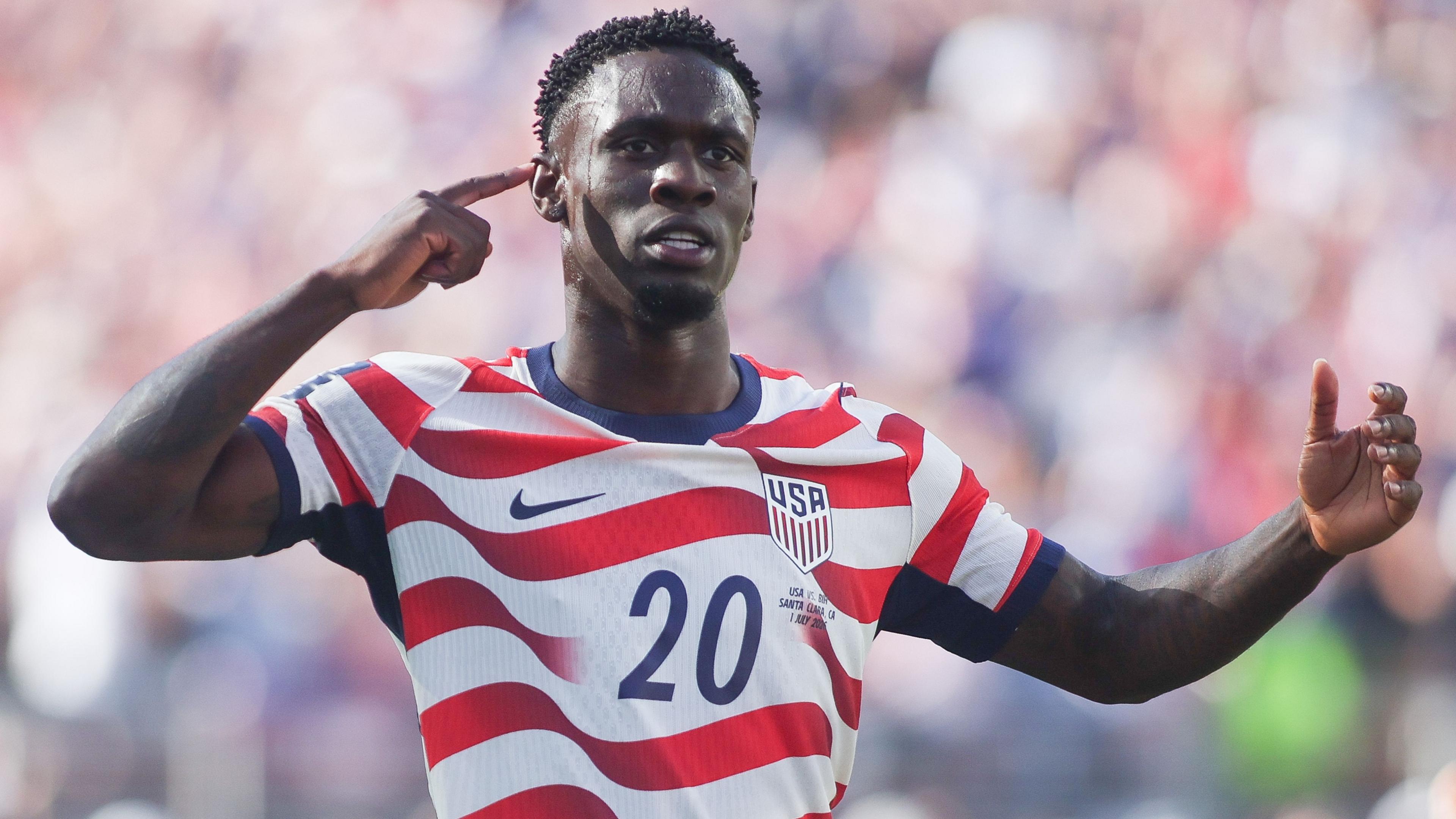
Folarin Balogun, 25, was initially set to miss the match after receiving a straight red card for a foul on Bosnia-Herzegovina defender Tarik Muharemovic in the group stage. The suspension, which would have barred him from playing for 12 months, was expected to have a major impact on the U.S. team’s strategy. However, on Sunday, FIFA reversed its decision, suspending the ban, leaving many critics bewildered. The move drew sharp reactions from several quarters, including Uefa, Belgium’s national team, and England manager Thomas Tuchel, who viewed it as a dangerous precedent.
“There was a sense of injustice within the squad, and we were determined to respond on the field,” said Belgium and Rangers midfielder Nicolas Raskin.
Belgium captain Youri Tielemans echoed this sentiment, emphasizing that the team saw the suspension as a catalyst for their performance. “We told ourselves we had to respond on the pitch. That’s what we did,” he stated. The players’ resolve was evident in their actions, culminating in a celebratory display after scoring their fourth goal that closely resembled the “Trump dance”—a signature move from the 2024 U.S. presidential campaign. The official Instagram account of the Belgium national team further mocked the situation by posting a picture of striker Romelu Lukaku cupping his ear with the caption “overturn this,” a clear nod to the political undercurrents of the match.
Trump’s Role in the Ban Review
On Monday, U.S. President Donald Trump claimed he had personally requested FIFA to review Balogun’s suspension, arguing that the initial red card decision was unfair. “I think it would have left a big stain on the tournament,” Trump remarked during a White House press briefing, adding that he had spoken with FIFA president Gianni Infantino to ensure the decision was reconsidered. However, he clarified that he did not instruct Infantino to suspend the ban outright, insisting he had only asked for a review.
“I didn’t think it was a foul. I asked for a review, and I believe the right decision was made,” Trump said.
Despite Trump’s intervention, the U.S. team managed to field Balogun in the match, with the striker starting and playing a pivotal role. Yet, Belgium’s triumph in Seattle overshadowed the political maneuvering, as the team’s performance demonstrated their focus on the game rather than the off-pitch drama. Head coach Rudi Garcia acknowledged the controversy but praised the squad’s maturity, noting that the outcome was a testament to their preparation.
Political Mockery and Global Reactions
The Balogun incident has not only sparked debates about sports governance but also served as a platform for political satire. Iran’s national football federation took a swipe at the U.S. and FIFA, posting a screenshot of their draw with Belgium alongside the U.S.’s heavy defeat on their official website. The caption read, “Now the whole world is dancing for the humiliating defeat of politics against football,” a direct jab at the U.S. team’s perceived misfortune and the influence of political figures on the sport.
Meanwhile, the U.S. head of homeland security, Markwayne Mullin, had previously used the “Trump dance” in a different context. He had celebrated Iran’s elimination in the group stage by performing the move, a gesture that highlighted his alignment with Trump’s style. The contrast between Mullin’s earlier celebration and the current criticism of the U.S. team’s situation adds an ironic layer to the controversy.
England manager Thomas Tuchel called the FIFA decision “dangerous” and warned that it “crossed a red line,” accusing the organization of prioritizing politics over fair play. Tuchel’s comments align with Uefa’s stance, which criticized FIFA for intervening in a match just hours before it began. The situation has raised questions about the independence of football’s governing body and whether such decisions could undermine the integrity of the sport.
“Where to draw the line is the question that I ask,” Tuchel said.
Belgium’s Royal Belgian Football Association (RBFA) had initially challenged the suspension, expressing surprise at FIFA’s last-minute reversal. They argued that Balogun’s eligibility to play was questionable and had appealed the decision to FIFA’s committee. However, the RBFA was deemed not an interested party, as they were not involved in the original red card incident and were simply the U.S.’s next opponents. This decision left the RBFA to voice its frustration through symbolic gestures, including the “overturn this” caption that became a viral moment in the sports world.
The Legacy of the Trump Dance in Football
The “Trump dance,” characterized by its hip-rocking and arm-pumping motions, has become a cultural phenomenon since the 2024 U.S. presidential campaign. Its adoption by Belgium players after their fourth goal in the match against the U.S. underscores the growing intersection between sports and politics. The dance, once a political statement, has now found a place in the global football lexicon, symbolizing both the spectacle of the game and the influence of high-profile figures on its outcomes.
As Belgium advanced to the quarter-finals, the incident remains a talking point in football circles. While the team’s success has overshadowed the controversy, the question of whether FIFA’s decision was influenced by political pressure lingers. The balance between sportsmanship and political interference continues to be tested, with figures like Trump and organizations like Uefa playing a significant role in shaping the narrative around this pivotal moment in the World Cup.
The aftermath of the match also highlighted the resilience of Belgium’s squad, who turned the frustration of the suspension into a motivational force. Their ability to perform under pressure and deliver a commanding victory has solidified their reputation as a formidable team. As the tournament progresses, the incident serves as a reminder of how political and sporting issues can intertwine, creating moments that are as much about the game as they are about the broader world beyond the pitch.