First Ghanaians Set to Be Repatriated from South Africa Over Anti-Immigrant Protests
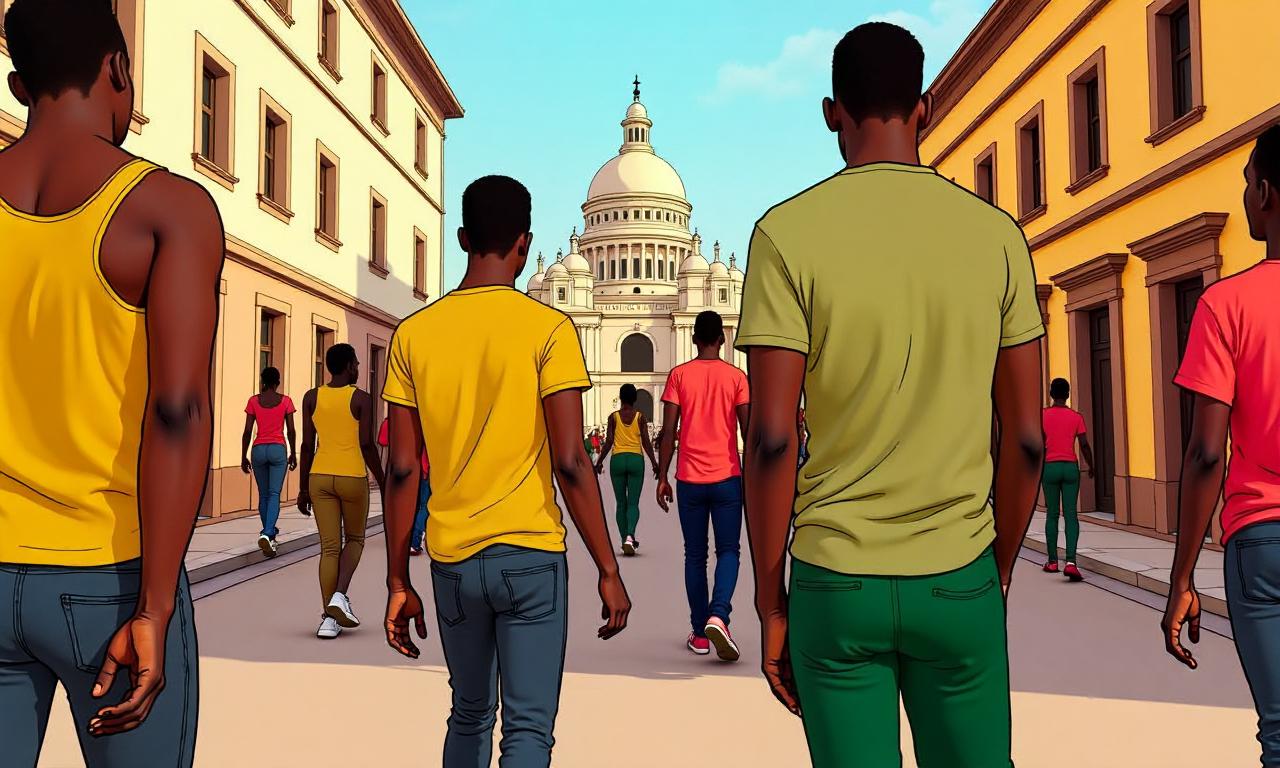
Samael.lol – Early Wednesday, the Ghanaian government began the process of repatriating its citizens from South Africa, marking the first large-scale evacuation linked to escalating xenophobic tensions. Over 800 individuals were reportedly registered for departure, with an initial group of 300 leaving by morning. The BBC observed the operation at Johannesburg’s OR Tambo airport, where dozens of chartered buses, operated by the Ghanaian embassy, transported passengers around 03:00 local time (01:00 GMT). Among the crowds were adults and children of varying ages, reflecting the diverse demographics of the expatriate community. A smaller contingent arrived separately in a police van, segregated from the rest of the group and monitored closely by officers.
Context of the Repatriation
The move follows weeks of demonstrations targeting illegal immigration in South African cities. Protests have intensified in recent months, with participants accusing foreign migrants of straining public resources and contributing to rising crime rates. These actions have sparked fears of renewed xenophobic violence, prompting the Ghanaian government to intervene. Officials emphasized that the repatriation was a proactive measure to protect citizens abroad, ensuring their safety amid growing unrest.
Authorities confirmed that all departing passengers were pre-registered through collaboration with embassy and airport staff. While the initial 300 individuals left on Wednesday, the remaining registered citizens would be processed in subsequent phases. This systematic approach aims to minimize risks and provide clarity for those opting to return. The Ghanaian High Commissioner, Benjamin Quashie, highlighted the government’s commitment to safeguarding its diaspora, stating that concerns about safety and economic displacement were central to the decision.
Voices from the Departing Community
Among the passengers, Rudolph, a 40-year-old salon owner who has resided in South Africa for a decade, shared his perspective with the BBC. He described the decision to leave as a necessary step to escape the current climate of hostility. “It’s no longer safe to remain here,” he said. “We’ve had enough of being targeted, and we’re seeking peace in our homeland.” Rudolph expressed hope that returning to Ghana would restore a sense of stability and belonging, though he admitted the emotional toll of leaving behind a life built in South Africa.
The Ghanaian community in South Africa numbers approximately 25,000 individuals, many of whom have faced discrimination and suspicion during the protests. Organizers of the demonstrations, including a group known as March and March, have framed their actions as a grassroots effort to advocate for immigration reform. This citizen-led movement claims to prioritize peaceful protests, urging the South African government to address the influx of undocumented migrants more effectively.
Protesters’ Demands and the Road Ahead
March and March has set a deadline of 30 June for illegal immigrants to depart the country, arguing that the current wave of xenophobia threatens social cohesion. The group’s leaders insist that their protests remain nonviolent, although some residents, like Rudolph, worry the momentum could lead to more severe confrontations. “The demonstrations started in Durban and spread to other provinces,” he noted. “If the situation continues, there’s a real risk of things turning dangerous.”
Quashie addressed concerns about the long-term impact of repatriation, stating that the Ghanaian government is prepared to support returning citizens. “We’re not just taking people out of the country—we’re ensuring they can reintegrate into their communities and continue their livelihoods,” he explained. The reintegration strategy includes assistance in securing employment and maintaining business operations, which Quashie claimed would also benefit South Africa by reducing the burden on public services.
Analysts suggest that the surge in anti-immigrant sentiment may be connected to the upcoming November local elections. With political tensions heightened, some believe the protests serve as a platform for local leaders to rally support by blaming foreigners for economic challenges. This theory is supported by historical data: in 2019, at least 12 people were killed in xenophobic attacks across the country, and in 2008, 62 foreign nationals lost their lives in similar incidents. While the current demonstrations have been labeled peaceful, critics argue that the underlying anger could evolve into more aggressive behavior if left unchecked.
South Africa’s Response to the Crisis
South African officials have acknowledged the xenophobic nature of the protests but have also emphasized their commitment to resolving the issue. Recently, the government condemned criminal acts against foreigners, recognizing the need for both immediate protection and long-term immigration policies. The country’s leaders have conceded that illegal migration is a pressing concern, particularly as economic pressures and social inequality fuel public frustration.
Despite the rhetoric, some observers note that the protests have not been entirely uniform in their approach. While groups like March and March advocate for structured reform, others have taken more radical stances, calling for the expulsion of all foreigners. Quashie pointed out that Ghanaian authorities are working to distinguish between those who are undocumented and those who have legally established themselves in South Africa. “Our goal is to protect citizens who are contributing positively to the economy,” he said. “We’re not condoning the actions of those who remain without proper documentation.”
The repatriation effort underscores the broader challenges of managing migration flows in South Africa. With over 25,000 Ghanaians living in the country, the decision to evacuate a significant portion of the community has raised questions about the long-term future of the Ghanaian diaspora. For many, leaving South Africa represents a symbolic victory over the discrimination they have endured, but for others, it signals the beginning of a more permanent exodus. The government’s ability to balance the needs of its citizens with the realities of the South African economy will be crucial in determining the outcome of this crisis.
As the first group departs, the focus remains on ensuring the safety and well-being of those leaving. The Ghanaian embassy has been actively coordinating the process, working with local authorities to streamline the departure of registered citizens. Meanwhile, the remaining individuals are being assessed for eligibility, with plans to transport them in the coming days. This coordinated effort reflects a growing awareness of the need for organized support for migrants facing uncertain conditions in South Africa.
Broader Implications for Migration Policies
The repatriation of Ghanaians highlights the complex interplay between migration, identity, and political discourse in South Africa. While the immediate trigger for the evacuation was the anti-immigrant protests, the underlying issues—such as economic hardship and social resentment—have deep roots. The Ghanaian government’s intervention serves as a reminder of the global reach of migration policies and the importance of diplomatic coordination in times of crisis.
Quashie’s comments reflect a broader narrative of solidarity and responsibility. He emphasized that the Ghanaian government’s actions are not only about protecting its citizens but also about reinforcing its role in international relations. “Every government must prioritize the welfare of its people, regardless of where they are,” he said. The reintegration plan, which includes financial and logistical support, aims to demonstrate this commitment while also addressing the economic concerns of South Africa.
As the repatriation process unfolds, the international community will be watching closely. The Ghanaian experience in South Africa could serve as a case study for how migrant communities navigate hostilities and seek refuge. For those who have chosen to leave, the journey back home is both a personal and political statement. It signals a shift in the balance of power, with citizens taking proactive steps to secure their future in the face of growing xenophobia.
In the coming weeks, the focus will likely shift to assessing the effectiveness of the repatriation effort and its impact on the broader Ghanaian community in South Africa. With 30 June looming, the question remains whether the deadline will be met or if further measures will be required to mitigate the crisis. The Ghanaian government’s actions have already set a precedent, and their continued engagement with South African authorities will be key to shaping the future of migration relations between the two nations.