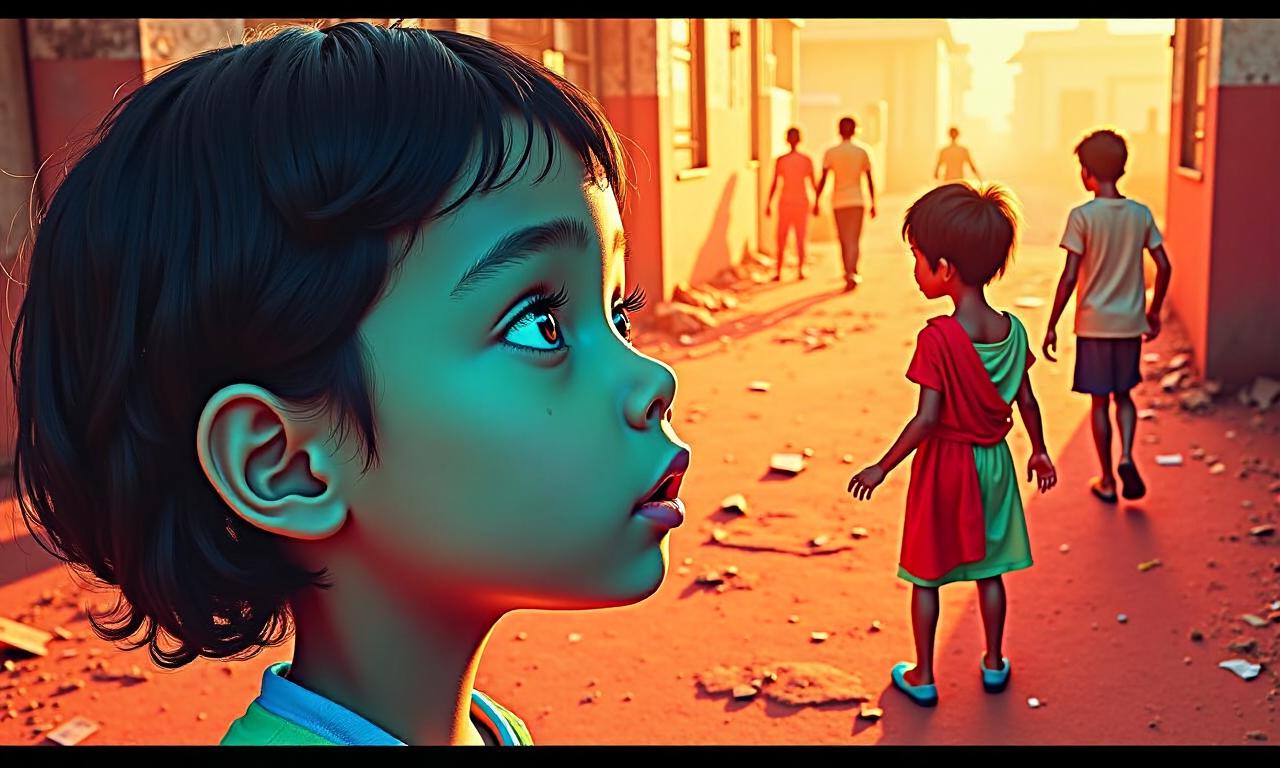
Hundreds of children die within months as measles cases soar in Bangladesh
Samael.lol – In recent weeks, Bangladesh has witnessed a dramatic surge in measles infections, leading to a tragic toll on young lives. The health ministry reports over 500 children have succumbed to the virus since March, with the number of suspected cases surpassing 60,000 in just two months. This outbreak has strained healthcare systems, overwhelmed hospitals, and left families devastated. Among them is the story of Akira, a child whose illness unfolded rapidly, highlighting the urgency of timely vaccination.
Akira’s story: A timeline of illness and despair
Akira, who had an extraordinary ability to learn, was a source of joy for her parents, Al Amin and his wife. Her father recalls how she began speaking her first words at six months and was already uttering some English phrases by the age of four. But this bright future was abruptly cut short. “She was never short of love from both families. She was the crown of all,” Al Amin says, his voice trembling. Despite having all her vaccines except for measles, the family faced repeated setbacks. They took her to the clinic four times, only to be turned away twice due to a cold. “Don’t stress,” a health worker reassured them, “the vaccine can be given up until she reaches five.” However, by the third and fourth visits, the vaccine was unavailable. On March 8, Al Amin brought Akira to the hospital, believing she had a routine fever. After a brief improvement, her condition worsened. She developed a rash, high fever, and mouth sores, requiring multiple readmissions. It wasn’t until the fifth visit that a doctor diagnosed her with measles. Akira was placed on life support and passed away 27 days after her initial admission.
“From the ticket counter line to the x-ray room, there was a measles patient everywhere,” Al Amin says, reflecting on the chaotic environment of the hospital. He feels a mix of anger and sorrow, blaming the lack of vaccination access and the failure to isolate patients.
Government response and systemic challenges
The health minister has acknowledged the crisis, stating that healthcare workers have forfeited their Eid holiday to address the growing demand. A nationwide mass vaccination campaign has been launched to curb the spread, but challenges persist. Dr. Mushtaq Husain, a former scientific officer, explains that delays in vaccine procurement have exacerbated the situation. “Poor people do not usually come to government hospitals until the last moment, as they have to buy medicine and tests,” he says, emphasizing the financial burden on families.
The interim government, formed after mass protests in 2024 that led to the departure of long-time ruler Sheikh Hassina, introduced changes to the vaccine procurement process. These shifts, according to UNICEF, have caused significant disruptions. Rana Flowers, the agency’s Bangladesh country head, notes that the delays have created a perfect storm of risk factors. “It feels like a bit of a perfect storm,” she said during a press conference, citing multiple issues that have compounded the crisis.
Flowers outlined key contributors to the outbreak, including gaps in routine immunization since 2023, the high population density in urban centers like Dhaka and Cox’s Bazar, and seasonal movements of people during holidays. These factors have created a fertile ground for the virus to thrive. In overcrowded hospitals, parents struggle to find beds for their sick children, often waiting hours for care. UNICEF field reports reveal that healthcare staff are working tirelessly to isolate patients, but the lack of resources has made this difficult.
“We are worried, look at my face, I am worried you are going to face an outage,” Flowers said, recounting her concerns during meetings with the interim government. Despite repeated warnings, the procurement delays continued, leaving communities vulnerable.
The health ministry’s efforts to manage the crisis have been complicated by a lack of coordination. Md Sayedur Rahman, a former Special Assistant to the interim chief advisor, shared this in a social media post, stating that “no change was implemented in the vaccine procurement process during the tenure of the interim government.” This has left families like Al Amin’s in a precarious situation, questioning whether the system could have prevented the tragedy. Al Amin’s account underscores the desperation of parents who must navigate a fractured healthcare landscape to protect their children.
Measles, a highly contagious disease, spreads through respiratory droplets and can be fatal for unvaccinated children under five. The virus’s rapid transmission is amplified by the close quarters of urban areas and the movement of people during festivals. With over 500 deaths already recorded, the government faces mounting pressure to restore trust in its ability to respond effectively. “The vaccine was unavailable,” Al Amin laments, “and by the time we realized, it was too late.”
Broader implications and lessons learned
The outbreak has exposed vulnerabilities in Bangladesh’s healthcare infrastructure. While the government has taken steps to launch a mass vaccination drive, the delayed procurement of vaccines has left critical shortages. Local clinics, overwhelmed by the demand, often rely on patients traveling to cities for better care. This trend has highlighted the uneven distribution of resources and the urgent need for a more resilient system. UNICEF’s involvement in coordinating with the interim government has been vital, but the challenges of implementation remain.
Al Amin’s story is emblematic of a larger issue: the consequences of missed vaccination opportunities. His daughter, who had all her shots except for measles, became a victim of the system’s delays. “We thought she was fine,” he says, “but the virus caught up with her.” The tragedy has prompted calls for accountability, with parents and health workers questioning whether the government’s new policies have adequately prioritized public health. “They said the vaccine could be given until five,” Al Amin recalls, “but by then, it was too late for Akira.”
“The interim government decided to change the way Bangladesh bought vaccines, which led to delays in placing orders,” Flowers explains, shedding light on the policy shift that has affected access to essential immunizations. This change, while aimed at modernizing procurement, has inadvertently worsened the outbreak’s impact.
As the outbreak continues, the focus remains on preventing further loss of life. Health officials are urging communities to embrace vaccination campaigns, even as they grapple with the aftermath. The deaths of children like Akira have become a stark reminder of the importance of timely healthcare. For Al Amin, the pain of losing his daughter is a call to action, not just for the government but for the entire nation. “We need to ensure that no child is left behind,” he says, a plea that resonates deeply in the face of such a crisis.
The situation in Bangladesh is a cautionary tale for other regions facing similar challenges. With the global health landscape constantly shifting, the lessons from this outbreak underscore the need for proactive measures and efficient resource allocation. As the government works to address the immediate crisis, the hope is that Akira’s story will serve as a turning point, prompting a renewed commitment to protecting the most vulnerable in society.