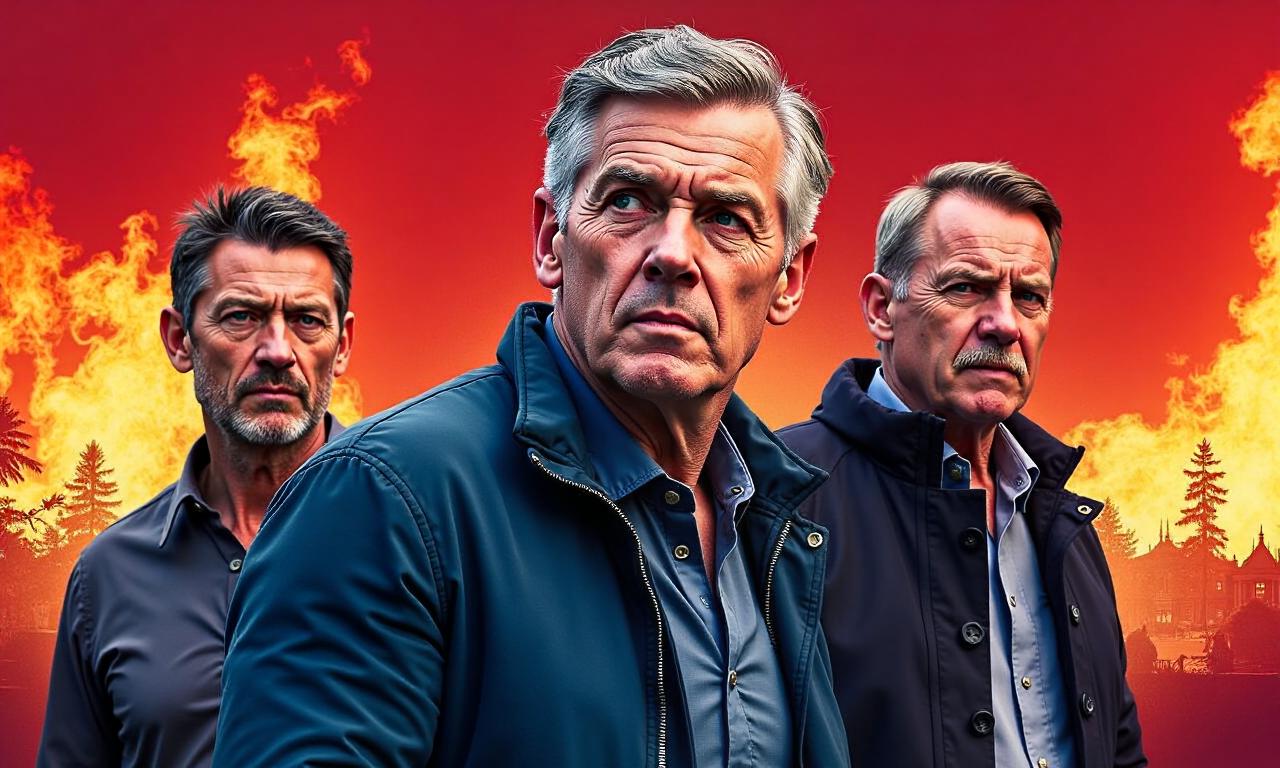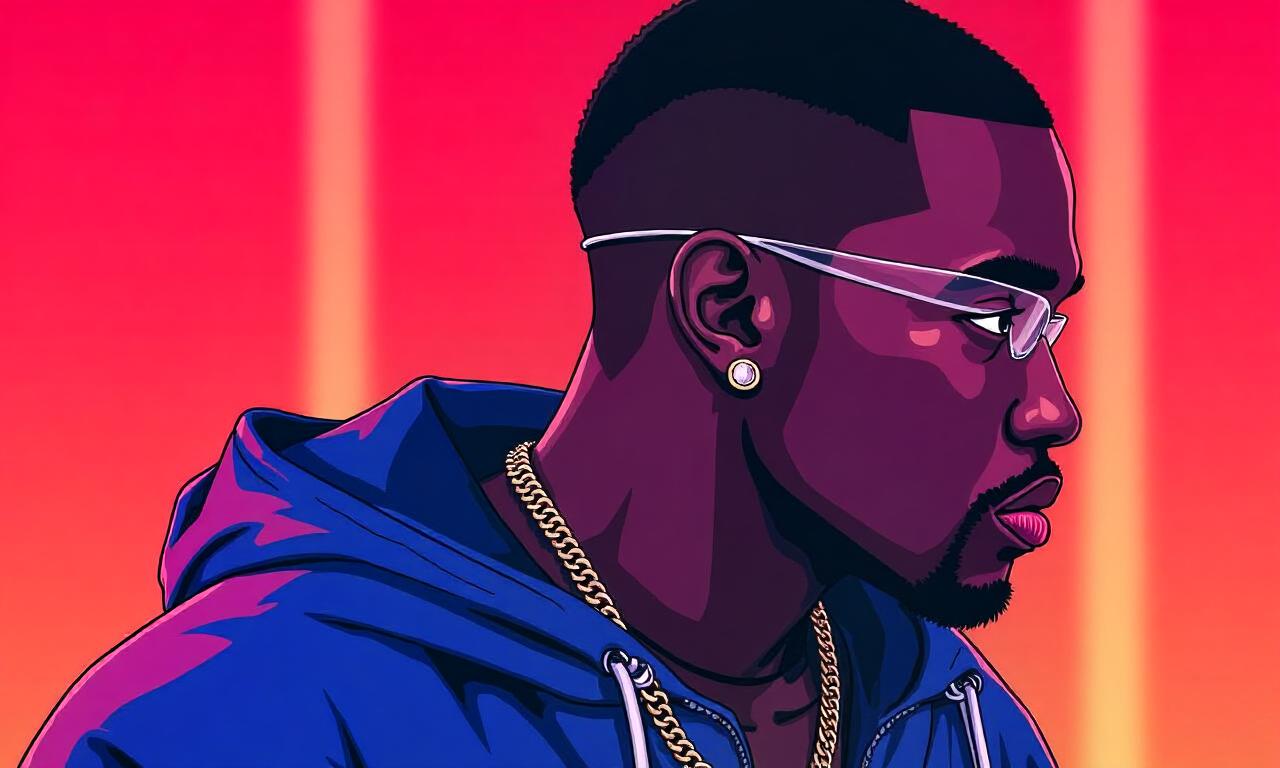
Italy bans Kanye West and Travis Scott concerts over security concerns
Samael.lol – Italian authorities have suspended the planned concerts by Kanye West and Travis Scott in Reggio Emilia, citing public order and security risks. Prefect Salvatore Angieri confirmed the decision on Friday, stating that the two events, originally scheduled for July, would not proceed. This followed a request from the local Jewish community to cancel West’s performance, emphasizing the need to address his recent controversial remarks.
Nicoletta Uzzielli, the leader of the Jewish community in Reggio Emilia, urged officials to replace West’s show with a performance that would “reaffirm music as a universal force for unity.” Her appeal highlighted concerns about the potential for unrest, particularly given West’s history of making antisemitic, racist, and pro-Nazi statements. These comments had already led to his exclusion from entering the UK, a decision made in response to public backlash.
The regional prefecture’s statement outlined several factors influencing the ban. Among them were the “previous cancellations of Kanye West’s concerts in other countries” and the “real threat of counter-demonstrations” in Reggio Emilia. The proximity of the two events, set for 17 and 18 July at the RFC Arena, along with the expected large crowds, was also cited as a key consideration. “The combination of these elements presents a significant challenge to maintaining order,” the prefect noted.
Travis Scott faced heightened scrutiny after the tragic incident at his Astroworld festival in Houston, Texas, in 2021. Ten people, aged nine to 27, lost their lives during the event, and hundreds more were injured when panic erupted among the overfilled crowd. The disaster underscored the need for rigorous safety protocols, which Scott’s management had to address in the aftermath. This, in turn, raised questions about the security measures for upcoming events, including the one in Italy.
Meanwhile, the Wireless Festival in London was canceled last month after Kanye West was denied entry to the UK. The decision came amid growing criticism of his past statements, which had sparked widespread controversy. The festival’s organizers had initially announced West as the headline act, but the ban forced them to reconsider. “This was a direct consequence of his recent remarks,” a spokesperson explained, adding that the cancellation was a precautionary step to ensure public safety.
West’s antisemitic comments have been a focal point of criticism. In 2022, he posted online stating his intention to “go death con 3” on Jewish people, a phrase that drew immediate condemnation. Last year, he released a track titled “Heil Hitler” and sold T-shirts with swastikas, further fueling the debate. These actions contributed to his being barred from the UK, a move that rippled across Europe, prompting similar cancellations elsewhere.
The French government also intervened, with Interior Minister Laurent Nuñez considering a ban on West’s 11 June gig in Marseille. The event was eventually postponed “until further notice,” according to West’s announcement on 15 April. Similarly, his concert at the Silesian Stadium in Chorzów, Poland, on 19 June was canceled in April, with the venue citing “formal and legal reasons” as the cause. These cancellations reflect a broader trend of public figures being held accountable for their rhetoric.
Despite the controversies, West has been striving to rebuild his image. In January, he published a lengthy statement in the Wall Street Journal, where he expressed regret for his actions. “I am not a Nazi or an antisemite,” he wrote. “I love Jewish people.” He attributed his past remarks to “losing touch with reality” due to his bipolar disorder. While this explanation has been met with mixed reactions, it underscores his efforts to distance himself from the negative associations.
Italy’s decision to block the concerts has sparked discussions about the balance between artistic freedom and public safety. Critics argue that the ban is a necessary step to prevent potential incidents, especially given West’s track record. However, supporters of the rapper contend that the cancellations are an overreaction, emphasizing that his comments, while offensive, do not inherently pose a security threat.
As the situation unfolds, the focus remains on the impact of West’s rhetoric on event planning. The RFC Arena, a key venue for the July concerts, is now facing the challenge of adapting to the new circumstances. Organizers are reportedly exploring alternatives to ensure the events can still take place while addressing the concerns raised by the Jewish community. This situation highlights the growing influence of social media on public perception and the decisions made by authorities in response.
Travis Scott’s own history with safety issues adds another layer to the debate. While his Astroworld festival was a commercial success, the loss of life and injuries have led to calls for stricter regulations. This context may have influenced the decision to cancel the Italy events, as organizers sought to avoid similar risks. The combination of Scott’s performance and West’s presence was seen as a potential catalyst for unrest, especially in light of the recent cancellations.
For now, the focus is on the immediate effects of the ban. The Jewish community in Reggio Emilia has welcomed the move, viewing it as a step toward fostering a safer environment. However, the ripple effects of this decision could extend beyond Italy, as other venues and festivals may reassess their lineups. The events serve as a reminder of how public opinion and political pressure can shape the entertainment industry’s landscape.