Jill Biden Says She Felt Her Husband Was Having a Stroke During 2024 Debate
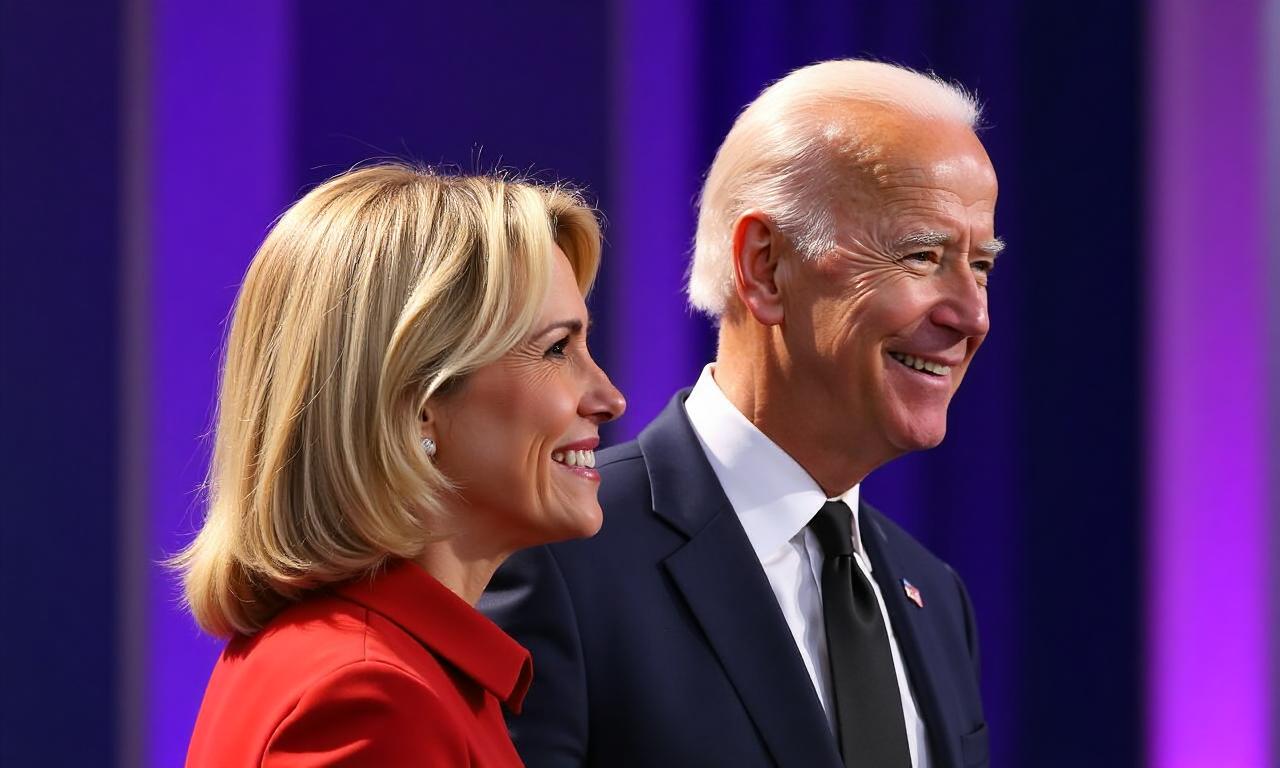
Samael.lol – During the highly scrutinized presidential debate in June 2024, former U.S. First Lady Jill Biden claimed she feared her husband, President Joe Biden, was experiencing a stroke. In an exclusive interview with CBS News, the BBC’s U.S. partner, she recounted her reaction to the event, which became a defining moment in the Democratic primary race. “I was frightened, because I had never ever seen Joe like that before or since. Never,” she told CBS News Sunday Morning host Rita Braver. Her words underscored the gravity of the moment, as the debate exposed vulnerabilities in the incumbent’s performance.
“As I watched it, I thought, ‘Oh, my God, he’s having a stroke.’ And it scared me to death.”
The debate, held on a sweltering day in Atlanta, left many in the room shaken. Biden, who had been in office for over four years, appeared visibly strained, his voice raspy and his responses often disjointed. His team attributed the symptoms to illness, but the public perception shifted rapidly. For Jill Biden, the incident marked a turning point, as she witnessed her spouse struggling to maintain composure under pressure. “I don’t know what happened,” she said, reflecting on the moment that left her in disbelief.
The debate performance ignited fierce discussions within the Democratic Party. Senior members, including key donors and strategists, began questioning whether Biden could still lead the nation effectively. His faltering answers on major issues—such as immigration, economic policy, and abortion rights—raised doubts about his ability to secure re-election. Despite these concerns, Biden’s campaign initially defended his candidacy, insisting he would remain in the race and face Donald Trump again. However, the support for his continued participation began to wane as the weeks passed.
Jill Biden, who has been a steadfast partner to her husband throughout his political career, was among the most vocal advocates for his decision to step down. The former first lady, known for her role as a trusted advisor, played a critical part in the calculus that led to Biden’s withdrawal. Her confidence in his abilities, however, was shaken during the debate. “Joe, you did such a great job. You answered every question. You knew all the facts,” she told a crowd at the post-debate rally, trying to restore morale. Yet, the same crowd that cheered her husband’s performance had also seen the cracks in his public image.
The Debate’s Aftermath and Democratic Uncertainty
In the days following the June 2024 debate, the Democratic Party found itself at a crossroads. With Biden’s age—81 years at the time—becoming a central issue, voters and media outlets amplified concerns about his health and cognitive sharpness. Analysts across major U.S. news platforms debated whether the president’s performance could be salvaged or if a replacement was inevitable. The pressure mounted as candidates like Kamala Harris, who had previously avoided public criticism of Biden, hinted at their own reservations.
By late July, the campaign’s initial optimism had given way to unease. Democratic leaders convened to discuss the implications of Biden’s shaky debate appearance, which was followed by additional gaffes during the NATO summit in August. These incidents, combined with his frail demeanor after contracting COVID-19, fueled speculation about his viability as a candidate. For Jill Biden, the sequence of events was both personal and political. “We all said that, like a mantra, as if we’d all been hypnotized,” she recalled, referencing the internal debate over whether Biden’s decision to seek a second term was wise.
The Endorsement and the Transition
Despite the turmoil, Biden ultimately decided to withdraw from the presidential race, endorsing Kamala Harris as his successor. This move was seen as a strategic compromise, with Jill Biden playing a pivotal role in convincing her husband to step down. The former first lady, who had advised him during his presidency, became a key figure in the transition. “It’s Joe and Jill’s decision,” she noted, highlighting the couple’s shared agency in the choice.
The timing of Biden’s exit was crucial. With just three months remaining until the November 2024 election, the Democratic Party had to quickly rally behind a new nominee. Harris, who had long been viewed as Biden’s potential successor, seized the opportunity. Her campaign gained momentum as the former vice president emerged as the frontrunner, though the path to victory was fraught with challenges. Analysts pointed out that Harris’s rise was not just about her ability to unite the party but also about restoring faith in the Democratic brand after Biden’s performance.
Yet, the debate’s impact extended beyond the immediate political fallout. For many voters, it symbolized a broader anxiety about aging leaders and their capacity to govern. The incident sparked conversations about cognitive decline, a topic that had been increasingly relevant in recent years. While Biden’s campaign framed his difficulties as temporary, the media and opposition figures seized on the opportunity to question his readiness for a second term. “Was it grace, or was it recklessness?” Jill Biden asked in her interview, a question that would later echo in Kamala Harris’s memoir.
Kamala Harris’s Reflection on the Decision
Months after the election, Kamala Harris addressed the decision to withdraw from the race in her memoir, reflecting on the pressures that shaped her early days as a presidential candidate. “It’s Joe and Jill’s decision,” she wrote, acknowledging the couple’s influence on the process. However, she also criticized the decision as “recklessness,” a label that resonated with many within the party. Harris’s admission of a “slow start” during the debate, while initially subtle, became a rallying point for her critics who argued that the president’s exit had been premature.
The debate’s legacy was complex. While Biden’s withdrawal allowed Harris to assume the nomination, it also left a lingering sense of uncertainty. The Democratic Party, once confident in its frontrunner, had to rebuild its narrative from scratch. For Jill Biden, the experience was bittersweet. She remained a loyal supporter of her husband, even as she acknowledged the necessity of his exit. “I had always believed in him,” she said, “but I saw the moment where he couldn’t go on.” Her words captured the emotional weight of the decision, which had rippled through the White House and beyond.
The events of June 2024 remain a focal point for historians and political analysts. They highlight the delicate balance between personal loyalty and political pragmatism. Jill Biden’s account of the debate adds a human element to the story, emphasizing the real-time fear and doubt that gripped her as she watched her husband struggle on stage. Meanwhile, Kamala Harris’s eventual loss to Trump in November 2024 brought the full weight of the decision into focus, with the former vice president’s critique of Biden’s “recklessness” serving as a poignant reminder of the risks taken by the Democratic Party.
As the 2024 election drew to a close, the debate became a case study in how public perception can shift in the span of a single night. The footage of Biden’s faltering responses, paired with Jill Biden’s firsthand account, provided a vivid snapshot of the challenges faced by the aging leader. For the party, the decision to endorse Harris was a calculated risk, one that ultimately reflected the urgency of the moment. For the former first lady, it was a moment of both pride and uncertainty, as she navigated the aftermath of a pivotal political event.