Trump’s Iran Strategy: Why Talks Remain the Best Option Despite Bluster
Samael.lol – President Donald Trump’s recent declarations regarding Iran demand careful consideration, despite their theatrical delivery. Speaking during the NATO summit held in Turkey, the American leader expressed profound frustration with Tehran’s leadership. His characterization of Iranian officials was particularly harsh, describing them as “scum” and “sick people” who would certainly employ nuclear capabilities if possessed. Yet for all his bluster, Trump has no better option than talks with Iran.
“I don’t want to deal with them anymore, they’re scum. You know what scum is? They’re scum. They’re sick people. They’re led by sick people. And they’re vicious, violent people.”
Yet these seemingly definitive statements were not the final word on the matter. Throughout the ongoing conflict, Trump has maintained a continuous commentary, oscillating between assertions of American victory and threats against Iranian civilization, while simultaneously demonstrating openness to diplomatic resolution. The president’s approach to Iran talks reflects both his aggressive rhetoric and his recognition that military action alone cannot achieve all objectives.
Military Pressure Meets Diplomatic Reality
Following his summit remarks, the president intensified his threats, declaring that American forces would “probably hit them harder again tonight.” He noted that prior warnings had been issued, setting the stage for renewed military action. While the United States possesses considerable capacity to inflict substantial damage upon Iran, it has struggled to compel the Iranian regime to abandon its core demands through force alone.
Central among these demands is Tehran’s insistence on maintaining control over the Strait of Hormuz, a critical waterway through which approximately one-fifth of global oil and gas supplies pass. This strategic position provides Iran with significant leverage over the worldwide economy—a tool many analysts consider more immediately effective than the prospect of nuclear development. The ongoing Iran talks must account for this economic reality.
“I don’t care, they can talk. But I think they’re wasting their time.”
When questioned about whether the ongoing exchange of strikes between American and Iranian forces signaled the end of negotiations, Trump referenced his principal negotiators, Steve Witkoff and Jared Kushner. His response suggested both dismissal and reluctant acceptance that dialogue must continue. This indicates that Trump’s administration recognizes the necessity of sustained Iran talks despite the president’s tough talk.
A Fragile Negotiating Environment
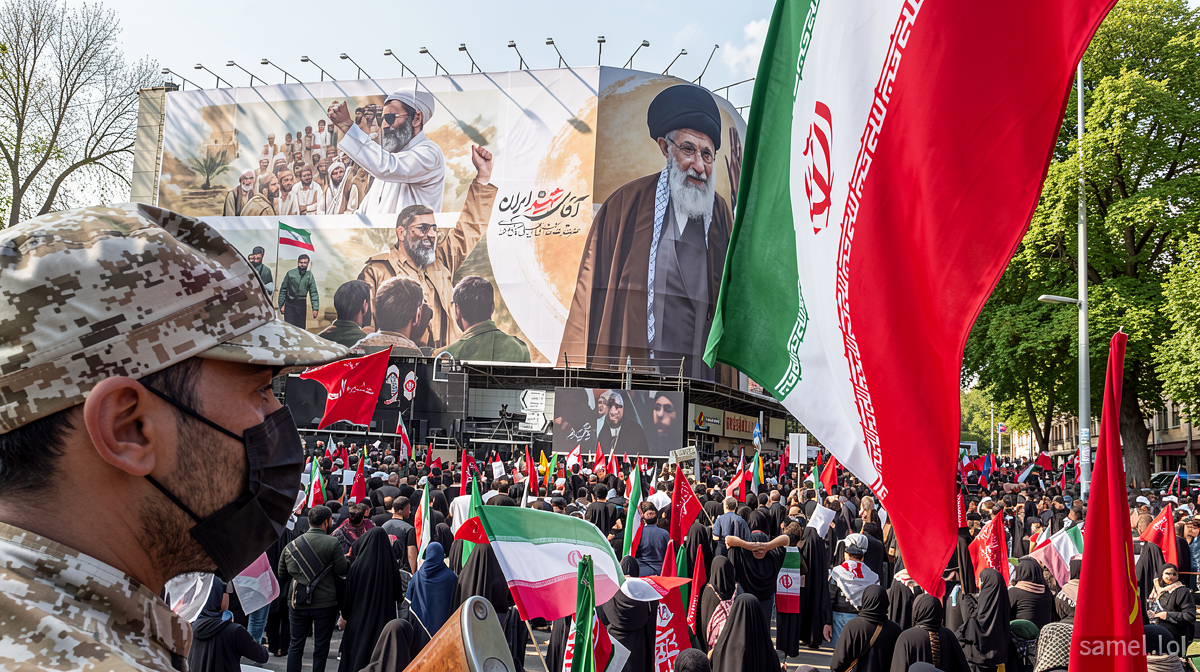
The diplomatic process has experienced considerable disruption due to Iran’s mourning period for Ayatollah Ali Khamenei, the former supreme leader who perished during the initial US-Israeli assault on February 28. This funeral period has temporarily suspended discussions, though mediators characterize the development as merely “a setback for sure” rather than a collapse of the entire framework.
The atmosphere surrounding these negotiations remains “very tense,” reflecting the profound mutual distrust between the two nations. Neither side fully believes the other will honor commitments should an agreement materialize. Nevertheless, the Iranian government has demonstrated remarkable resolve in refusing to revert to pre-conflict conditions. This resilience suggests that Iran talks will require patience and flexibility from both sides.
Iran’s determination to preserve its strategic rights in the Hormuz Strait has led it to risk the memorandum of understanding currently under negotiation. This document contains numerous potential benefits for Tehran, yet the regime appears willing to gamble on prolonged conflict rather than concede control. This position has been reinforced by the failure of American and Israeli military campaigns to overthrow the Iranian government.
Domestic Stability and Strategic Calculations
The funeral ceremonies for Khamenei revealed substantial domestic support for the Islamic regime, despite ongoing opposition. The government’s severe response to street protests in January—resulting in thousands of deaths—has effectively suppressed visible dissent and allowed the leadership to maintain a lower profile during this critical period.
Mediators involved in the talks believe that if the current escalation can be contained, a comprehensive agreement remains achievable. Such a deal would likely encompass multiple elements, including the unfreezing of Iranian assets held internationally and permission for Tehran to resume oil exports. The challenge lies in balancing American military objectives with the practical necessity of diplomatic engagement.
For all Trump’s aggressive rhetoric and threats of renewed strikes, the fundamental reality persists: negotiations represent the most viable path forward, even if the president prefers to frame them as a last resort rather than a strategic imperative. Trump’s approach to Iran talks ultimately reflects a recognition that military power, while formidable, cannot replace the benefits of sustained diplomatic engagement with Tehran.