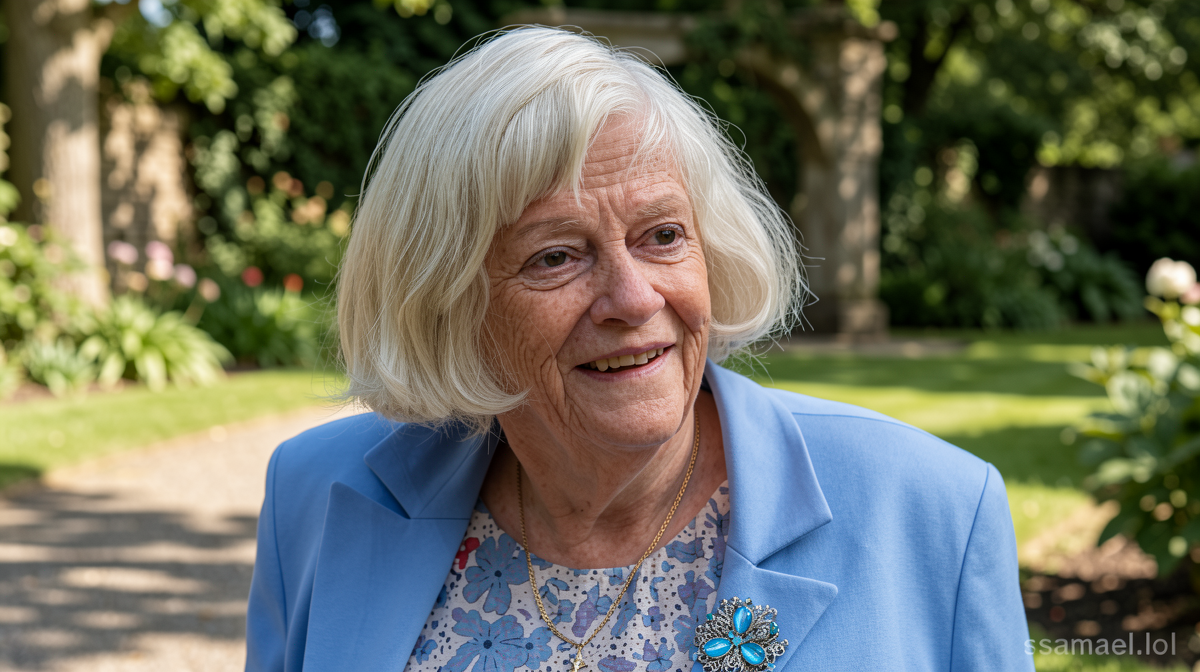
Living with PMDD is like having the Grim Reaper visit every month
Samael.lol – Annika Waheed’s life is shaped by a monthly ritual of emotional turmoil, where the dawn of her period often marks a return to clarity after weeks of despair. The morning following her most recent suicide attempt, the cycle began. “Did I really do that?” she asked her sister, who had held her tightly as she drifted into unconsciousness after an overdose. “Yes, you did,” her sister replied. For Annika, the two-week premenstrual phase is a time of intense psychological suffering, punctuated by suicidal ideation and a crushing sense of hopelessness. Once the menstrual flow starts, however, the weight of her struggles lifts, and she finds herself able to navigate daily life with renewed focus. “How can my hormones do this to me?” she wonders, reflecting on the profound impact of her condition.
Annika, a 42-year-old woman, has lived with premenstrual dysphoric disorder (PMDD) for over eight years. This condition, classified as a mental health disorder, can produce severe emotional and physical symptoms that disrupt everyday functioning. Unlike premenstrual syndrome (PMS), which may cause mild irritability or fatigue, PMDD is far more intense. It typically emerges during the luteal phase—between one and two weeks before a period—and can lead to extreme anxiety, deep depression, and a feeling of losing control. Physical symptoms such as heart palpitations, joint pain, and bloating often accompany these emotional battles, but the diagnosis hinges on the presence of mood-related disturbances.
“PMS can be really hard,” says Annika. “But this? This is something else. It’s like the Grim Reaper coming for us every month. You can feel it, and there is nothing you can do about it.”
The International Association for Premenstrual Disorders (IAPMD), a global research charity, estimates that over a million women in the UK may experience PMDD, though many remain undiagnosed. This condition often coincides with major hormonal shifts, such as those during puberty, childbirth, or menopause. For some, the predictable pattern of symptoms offers a sense of control, but for others, it feels like an unrelenting force of nature. Researchers in Scotland have developed a groundbreaking tool to help clinicians identify PMDD in patients, potentially saving lives through early intervention.
Dr. Lynsay Matthews, lead researcher at the University of the West of Scotland, explains that PMDD is linked to the body’s natural hormonal fluctuations. “Women affected by PMDD have a severe and negative reaction to these changes,” she says. “The condition is driven by shifts in progesterone levels, which peak, and oestrogen, which fluctuates, creating a powerful emotional toll.” Despite its prevalence, PMDD is often overlooked in medical settings. “Even though the menstrual cycle plays a huge role in a woman’s health, it’s rarely discussed in consultations,” Matthews adds. Her team’s model aims to bridge this gap by providing clinicians with a framework to recognize PMDD’s unique patterns, particularly in relation to suicide risk.
According to studies, women with PMDD are more likely to experience suicidal thoughts and attempts than those without the condition. This underscores the urgency of better understanding and diagnosing the disorder. “We need to connect mental health symptoms to hormonal cycles,” emphasizes Dr. Helen Wall, a GP in Bolton specializing in women’s health. “Too often, doctors struggle to relate a patient’s struggles to their menstrual cycle, especially when time is limited.” With appointments lasting only 10 to 15 minutes, it’s challenging to uncover the full picture of a patient’s experience, particularly for those in crisis.
Matthews highlights the importance of asking targeted questions about a woman’s cycle. “By doing so, we can identify patterns that may indicate PMDD,” she says. The new tool, now available for use by clinicians, offers critical insights into how individuals with PMDD might respond differently to stress or emotional triggers compared to the general population. The next step is to evaluate its effectiveness across the NHS, with hopes of making it a standard part of care for women experiencing cyclical mental health challenges.
Social media has become a vital platform for women to share their PMDD journeys. The hashtag #PMDD has gained significant traction, particularly on TikTok, where over 230 million views have been recorded. Katie Cook, a woman diagnosed with PMDD in 2025 at the age of 30, is one of many who have found support through these online communities. Her story, like Annika’s, illustrates the silent struggle of those who live with the disorder, often unaware of its cause or how to seek help.
While the exact mechanisms behind PMDD remain under investigation, the condition’s link to hormonal changes is widely acknowledged. The luteal phase, marked by rising progesterone and fluctuating oestrogen, is thought to trigger the severe emotional and physical symptoms that define the disorder. For some women, this cycle can feel like a monthly reckoning, with the potential for deep despair that may lead to self-harm. “There’s a sense of inevitability,” Matthews notes. “It’s as if the body is sending a signal that something is wrong, but the mind is overwhelmed by the intensity of it.”
The challenge of diagnosing PMDD is compounded by the stigma surrounding menstrual health. Many women internalize their symptoms, believing they are simply “moody” or “overreacting.” Yet, the disorder can be as debilitating as other mental health conditions. “The symptoms are real and profound,” says Wall. “They require the same level of attention and care as depression or anxiety.” As the research continues, the hope is that PMDD will be recognized as a legitimate condition, leading to more effective treatment and support for those who suffer in silence.
For Annika, the cycle of PMDD is both a burden and a reminder of her resilience. “Every month, I face the possibility of a breakdown, but the period always brings me back,” she says. This duality—of pain and relief—highlights the complexity of the disorder. As awareness grows, tools like the Scottish model may offer a lifeline, helping women navigate their struggles and ensuring their voices are heard in the medical world.