Scottish Military Instructor Who Spied for Russia Jailed in Ukraine
Samael.lol – Ukraine has sentenced Ross David Cutmore, a Scottish military instructor, to eight-and-a-half years in prison for acting as a Russian spy. The 35-year-old, hailing from Dunfermline in Fife, was apprehended following a probe initiated last year. His collaboration with Russian intelligence agencies, which began in early 2024, led to his conviction under a plea deal. According to Ukrainian authorities, Cutmore admitted to sharing classified data about Ukrainian military units and foreign trainers, actions that compromised national security.
Aiding Russia’s Espionage Network
Cutmore’s role as a military instructor in Ukraine positioned him to access sensitive information, which he allegedly exploited for the benefit of Russia. The case highlights the intersection of Western expertise and Eastern intelligence operations. During his time in the country, he not only disclosed the locations of Ukrainian forces but also transmitted photographs of training sites and details about personnel. These actions, combined with his participation in pro-Kremlin online forums, painted a clear picture of his dual allegiance.
“The defendant willingly shared strategic data, including the coordinates of weapon caches, which could have been used to target key military installations,” stated a Ukrainian intelligence official during the trial.
The SBU, Ukraine’s Security Service, reported that Cutmore was tasked with gathering intelligence on Odesa’s military infrastructure. His activities included discussing the use of explosive devices and attempting to infiltrate command structures. One of his assignments reportedly paid him $6,000, a sum he described as “easy money” during his testimony.
From Instructor to Double Agent
Initially, Cutmore arrived in Ukraine in January 2024 to teach military tactics. However, by September of that year, he had abandoned his instructor role and shifted focus to espionage. Ukrainian investigators claim he began actively seeking financial gain through connections with Russian-backed networks. This transition culminated in his recruitment by an FSB officer, who offered him monetary incentives in exchange for intelligence.
“Cutmore’s betrayal underscores the vulnerability of foreign experts in conflict zones,” noted a SBU analyst in a press statement. “His actions demonstrated a calculated effort to undermine Ukraine’s defenses.”
The FSB, Russia’s Federal Security Service, allegedly directed Cutmore to prepare a series of terrorist attacks. He was given precise instructions on constructing improvised explosive devices and access to a weapons cache located in Odesa. Using this information, he acquired a Makarov pistol along with two loaded magazines. The weapon, reportedly supplied by Russian operatives, was later seized by SBU agents during a covert operation.
Planning and Execution
Cutmore’s espionage activities were identified at an early stage. SBU counterintelligence officers intercepted his communications and uncovered his plans before they could be carried out. The probe revealed that he had systematically collected data on Ukrainian military facilities, including troop movements and logistical networks. His access to classified materials allowed him to transmit critical information to Russian intelligence, potentially altering the course of operations in the region.
“We detected his intent to sabotage Ukrainian defense strategies through targeted attacks,” said a SBU spokesperson. “His infiltration of military units was both swift and efficient.”
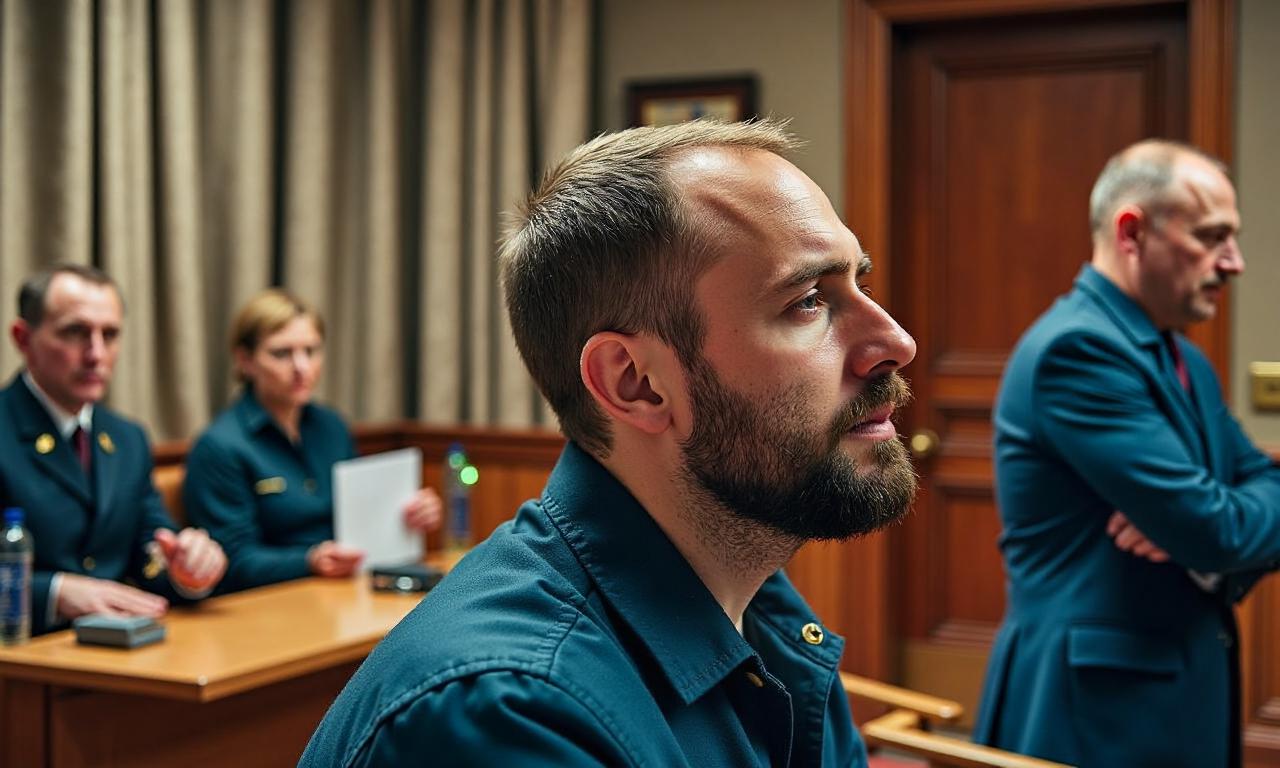
The arrest occurred in October 2023, during the planning phase of one of his missions. SBU agents, operating under the guise of routine inspections, uncovered his activities. Cutmore’s cooperation with the investigation, which included admitting guilt at the Kyiv District Court in Odesa on 30 April, was a key factor in his sentencing. His plea deal demonstrated a willingness to aid Ukrainian authorities in their counterintelligence efforts.
Impact on Ukrainian Security
The case has sparked discussions about the risks of foreign involvement in Ukraine’s military. Cutmore’s actions, while not directly causing casualties, could have jeopardized operations by providing Russia with actionable intelligence. Analysts warn that such breaches highlight the need for stricter vetting of international trainers and collaborators. The SBU emphasized that Cutmore’s activities were part of a broader network aiming to destabilize Ukraine’s defense capabilities.
“This case serves as a reminder that even trusted foreign advisors can be infiltrated by adversarial forces,” remarked a Ukrainian defense official. “We must remain vigilant in our security protocols.”
His conviction also underscores the growing importance of counterintelligence efforts in Ukraine. The SBU has since expanded its surveillance of foreign nationals working in the military sector, ensuring that any potential threats are swiftly addressed. Cutmore’s sentence of 8.5 years reflects the severity of his actions, which included not only leaking information but also actively planning attacks.
Context and Motivation
Cutmore’s motivations appear to have been financial. Ukrainian authorities stated that he was drawn to pro-Kremlin communities seeking quick earnings. The initial phase of his mission as an instructor was likely a cover for his deeper involvement with Russian intelligence. His partnership with the FSB, which began in September 2024, marked a deliberate shift toward espionage.
“He used his position to gain insider knowledge, which he then sold to the highest bidder,” explained a SBU investigator. “This was a calculated move to benefit both his personal finances and Russia’s strategic interests.”
The trial revealed that Cutmore’s work for Russia was multifaceted, ranging from data collection to operational planning. His ability to navigate both military and civilian environments made him an effective asset for the FSB. The case also raises questions about the effectiveness of background checks for foreign military personnel. Despite his Scottish nationality, Cutmore’s loyalty was evidently aligned with Russia’s objectives.
Broader Implications
With the war in Ukraine intensifying, cases like Cutmore’s underscore the importance of intelligence in modern warfare. The conviction sends a message to potential spies, emphasizing the consequences of betraying national interests. SBU officials have praised Cutmore’s cooperation, which helped expedite the investigation and secure a conviction. His sentencing is expected to deter others from similar acts of treason.
“Cutmore’s confession was pivotal in confirming the extent of his collaboration with Russian forces,” added a Kyiv-based legal expert. “It provided irrefutable evidence of his role in the conspiracy.”
As Ukraine continues to face threats from multiple fronts, the case highlights the challenges of maintaining security in a volatile environment. The SBU’s successful apprehension of Cutmore at the planning stage demonstrates the agency’s proactive approach. His actions, though limited in scope, exemplify how even a single individual can pose a significant risk to national defense.
In conclusion, the conviction of Ross David Cutmore marks a significant milestone in Ukraine’s ongoing efforts to combat espionage. His eight-and-a-half-year sentence underscores the gravity of his actions and the determination of Ukrainian authorities to hold individuals accountable. The case also serves as a cautionary tale for foreign nationals working in the country, emphasizing the importance of transparency and loyalty in times of conflict.