Six eggs used to be £1 – why everyday essentials cost so much more now
The cost of living crisis and the rising prices of staples
Samael.lol – For years, shoppers have relied on familiar supermarket staples to meet their daily needs. Yet, as many now observe, the total at the checkout has steadily climbed, even when eschewing indulgences like wine or sweets. The question remains: how significant has the price hike been for basic items such as milk, bread, and eggs? A recent analysis by market researchers Assosia sheds light on this trend, revealing how costs have surged over the past few years. Despite their routine presence in our shopping baskets, these essentials have seen notable increases, raising concerns about who is ultimately bearing the burden of inflation.
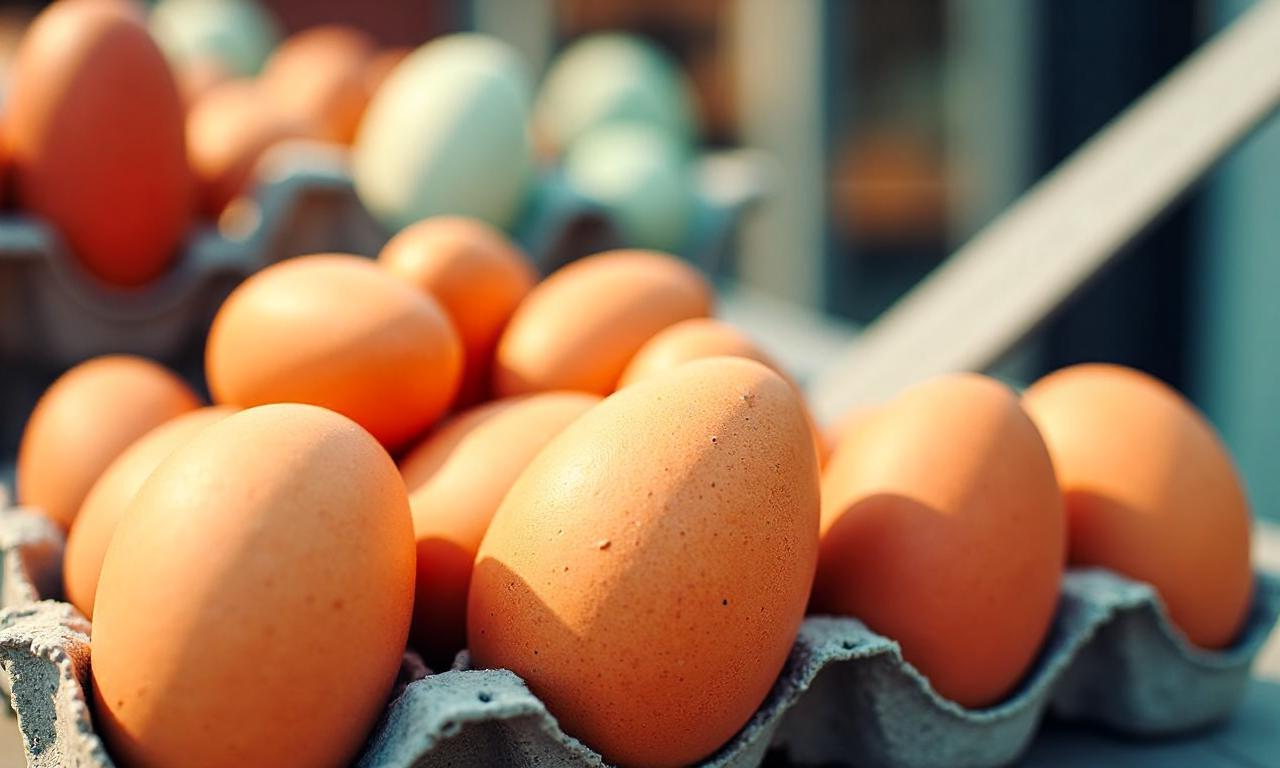
Take eggs, for instance. A box of six supermarket own-brand free-range eggs, once priced at £1 in 2022, now costs an average of £1.80, according to Assosia’s data. This sharp rise follows the UK’s most severe avian flu outbreak between 2021 and 2023, which led to the culling of millions of hens. The sudden reduction in laying hens, coupled with higher energy costs from indoor farming restrictions, created supply shortages. Supermarkets responded by imposing purchase limits, while producers and retailers raised prices to cover their losses. The cost of producing eggs is deeply tied to factors like grain prices, shed heating, and transportation, all of which have been affected by ongoing global conflicts.
War’s ripple effect on food costs
Grain prices, a cornerstone of dairy and egg production, have skyrocketed due to the Russian invasion of Ukraine in 2022. This conflict disrupted global supply chains, driving up costs for essential ingredients. Energy prices have similarly surged, impacting everything from milking processes to the delivery of goods. The Andersons Centre notes that these rising expenses have compounded challenges for food producers. However, some trends have softened over time—such as the milk price increase—due to factors like global oversupply, though this has not fully offset the financial strain.
A loaf of basic medium-slice white bread, which cost 65p in 2022, now averages 74p in major supermarkets. While Assosia’s data doesn’t cover discounters like Aldi and Lidl, these chains often match the prices of larger retailers to remain competitive. The bread price hike was initially driven by higher wheat costs, but recent stability has eased some pressure. Nevertheless, the war in the Middle East has reignited supply fears, contributing to a new wave of inflation. Experts warn that these price fluctuations are unlikely to subside quickly, as global conflicts continue to disrupt key resources.
Profit margins and the cost of raw materials
According to Danni Hewson, head of financial analysis at AJ Bell, the pricing dynamics in the grocery sector are complex. “Without a crystal ball, nobody can know what is going to happen” to producers’ and farmers’ costs at the time contracts are signed. This means that while supermarkets may benefit from price hikes, some of these increases are absorbed by suppliers. For example, the cost of materials and goods for producers rose by 7.7% in the year to April 2024, according to the Office for National Statistics (ONS). This marks the largest jump in over three years, driven by energy, fuel, and raw material expenses.
“So there will be a degree of some of these price increases, obviously, having to be swallowed by some of these producers,” Hewson explains.
Factory gate prices—what producers charge retailers—have increased by just 4% over the same period. This disparity highlights the challenges faced by suppliers in maintaining profitability. The Andersons Centre points to a “perfect storm” of rising costs, including raw materials, energy, labor, and changes in packaging regulations. These factors have collectively pushed up the prices of everyday goods, making them more expensive than before.
Supermarket profits amid rising costs
Despite these challenges, the financial performance of UK supermarkets has improved. Sales in the sector grew from approximately £130bn to £160bn between 2020 and 2024, according to industry reports. Yet, when examining profit margins, none of the major retailers have seen an increase over the past two decades. This suggests that while supermarkets may be passing on some costs to consumers, their overall profitability has not necessarily surged.
Experts caution that these figures don’t specify how much of those sales were allocated to food items, nor do they reveal the exact profits from different categories like fresh fruit, meat, or dairy. However, the broader picture remains clear: the combination of global supply chain disruptions, energy price volatility, and regulatory changes has made basic goods more expensive. The question now is whether these trends will continue or if a return to stability is on the horizon.
Long-term implications for consumers and producers
As consumers grapple with higher prices at the checkout, the long-term effects on both producers and shoppers are becoming apparent. The ONS data shows that input costs for producers have outpaced inflation, forcing them to adjust prices even when contracts are locked in. For example, dairy farmers are now receiving 25% less per litre of milk, with many operating at a loss. This financial strain is compounded by the fact that demand for eggs remains robust, driven by the growing popularity of high-protein diets.
While the UK’s main supermarkets have managed to increase their revenue, the profitability of individual products is a matter of debate. The Andersons Centre emphasizes that the industry is navigating a volatile landscape, where rising costs and fluctuating supply have created an uneven playing field. Consumers may feel the impact of these price changes more acutely, but the data suggests that the burden is not entirely borne by retailers.
Looking ahead, the interplay between global conflicts, energy markets, and agricultural production will likely shape the cost of essentials for years to come. With no immediate signs of relief in sight, shoppers may need to adapt to a new reality where the same staples that once felt affordable now require careful budgeting. Whether this translates to lasting profits for supermarkets or continued struggles for producers remains uncertain, but one thing is clear: the price of basic goods has become a reflection of the wider economic and geopolitical forces at play.
Conclusion: The unseen forces behind everyday expenses
The rising costs of eggs, bread, and milk are not merely the result of inflation but a complex web of factors including supply chain disruptions, energy price surges, and changing consumer demands. While the prices at the checkout have climbed, the underlying causes are often beyond the immediate reach of shoppers. From the culling of hens due to avian flu to the impact of war on grain and energy markets, the journey of a basic product from farm to shelf is more intricate than ever. As experts continue to analyze these trends, the challenge for both producers and retailers is to balance rising costs with the need to keep goods accessible to everyday consumers.