US Celebrates 250th Birthday Amid Weather Challenges and Political Commentary
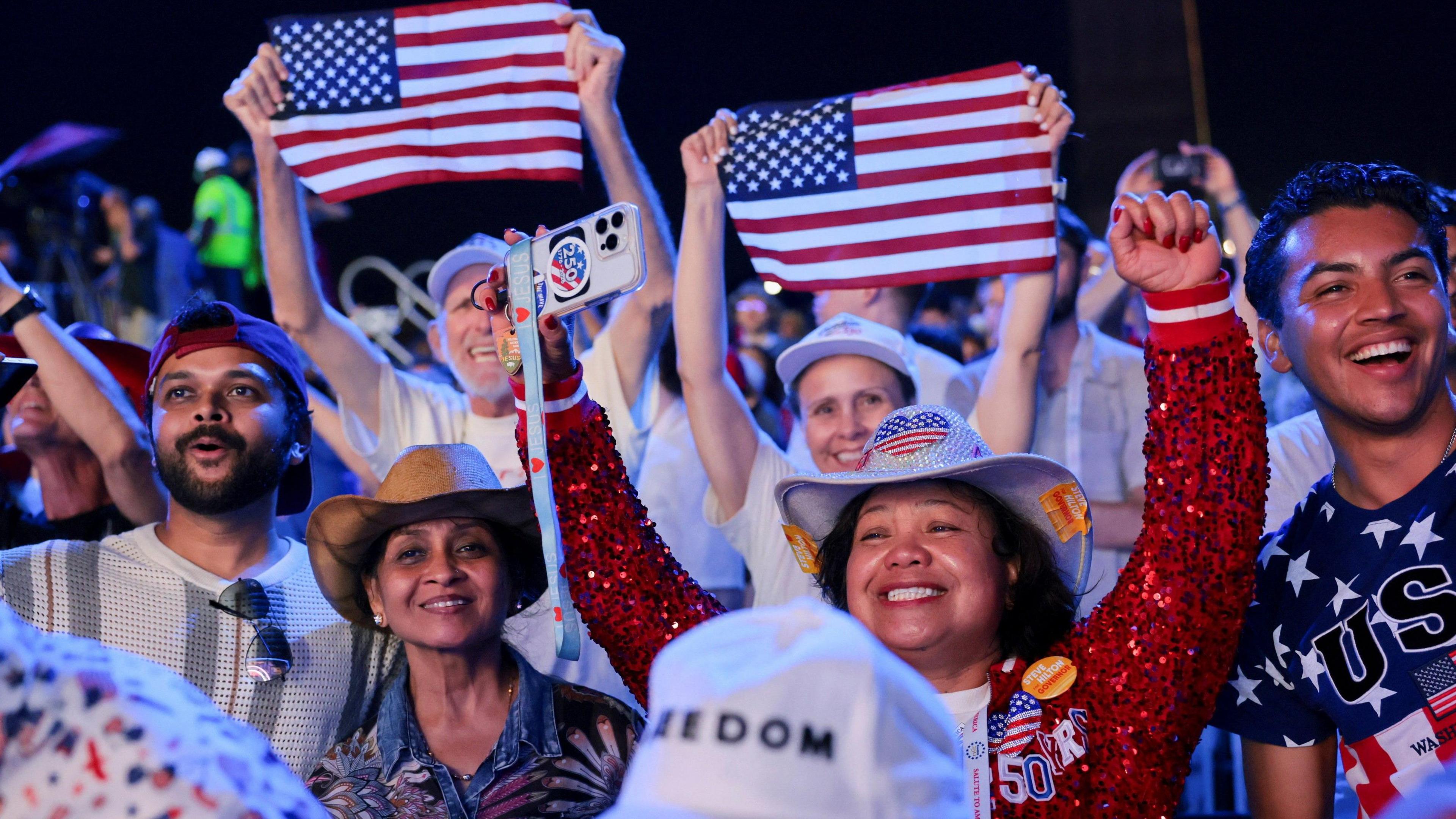
Samael.lol – The United States celebrated its 250th anniversary with a mix of grandeur and unpredictability. While fireworks and flyovers were the centerpiece of the festivities, extreme weather conditions disrupted the planned events, adding an unexpected twist to the nation’s commemoration of independence. The 4 July holiday, which honors the 13 colonies’ declaration of independence from British rule in 1776, saw some celebrations delayed or modified due to storms and high temperatures across key locations.
Storms and Delays
Washington DC, a hub of national events, faced logistical hurdles as thunderstorms swept through the area. The National Mall, where President Donald Trump delivered his speech, was evacuated early in the evening, forcing attendees to seek shelter. Despite the weather chaos, the rally continued after the storm passed, with Trump addressing the crowd on the eve of the anniversary. His remarks, which included a reference to the “world’s largest firework display,” were met with applause but also scrutiny over the political tone of the event.
“The American dream is back,” Trump declared to a gathering of supporters, before launching into a speech that emphasized themes of national pride and political ideology. He hailed the moment as “only the dawn of the golden age of America,” claiming its destiny was “written by God.” His comments sparked debate, with critics arguing that the milestone had become a platform for his personal agenda.
The president’s focus on the anniversary was further highlighted by his initiative, Freedom 250, a privately funded events committee designed to rival the Congress-established America 250 commission. This move raised questions about the extent to which the celebration was being used to advance his political vision rather than fostering a unified national narrative.
Events Across the Nation
While Washington DC’s celebrations were affected by the weather, other parts of the country proceeded with a variety of events. In Philadelphia, the birthplace of the Declaration of Independence, Congress members gathered at Independence Hall to commemorate the anniversary. Meanwhile, cities like New York hosted their own festivities, including a traditional hot dog eating contest that drew international attention. Joey Chestnut, a veteran competitor, secured his 18th title by devouring 66 hot dogs in 10 minutes, a feat that underscores the enduring popularity of the event, which has been held annually since 1972.
Other celebrations included the “Salute to America” and the “Great American State Fair,” with attendees braving the weather to partake. In a nod to national unity, the bipartisan America 250 commission organized “America’s Block Party” events, encouraging communities to host local gatherings. These events featured performances by prominent artists such as Ne-Yo, Mary J. Blige, and Will Smith, who brought music to the festivities across the country.
Symbolism and Significance
The day’s events also included symbolic gestures, such as the burial of a time capsule at Mount Vernon, the historic estate of George Washington. The capsule, containing a Coca-Cola bottle, a signed copy of the Constitution, and artifacts from each of the 50 states and US territories, was meant to be opened in 200 years. This act of preservation reflected the desire to connect the nation’s past with its future, even as the present moment was marked by division.
Amid the celebrations, the presence of groups like the Patriot Front underscored the political dimensions of the event. Members of this white nationalist organization marched through the capital, carrying American flags and moving in unison. Their participation, though controversial, highlighted the broader debate over whether the 250th anniversary was being used to celebrate national identity or to advance ideological agendas.
“We’re all just here to celebrate our country,” said Chris Cornell, who traveled from Maryland to attend the festivities. His comments contrasted with the perception that the event had become a stage for political theatrics, particularly under Trump’s leadership.
The original plan for a fireworks display was delayed due to the storm, but when it finally began, the spectacle was described as “massive” and “flurry of blasts,” culminating at 01:00 local time. Even as the show ended, the rain continued, prompting some attendees to rush toward exits. Despite the weather, the mood remained celebratory, with many expressing pride in the nation’s heritage.
Polarizing Perspectives
The anniversary sparked mixed reactions. While some, like Tammy Wapshott from South Carolina, viewed it as a chance to honor “the best country in the world” where “all were free to do what we wanna do,” others questioned the political emphasis. Trump’s decision to fund his own event committee, Freedom 250, was seen as a way to shape the narrative of the 250th year, potentially overshadowing the collaborative efforts of the America 250 commission.
Even the military played a role in the celebrations. F22 Raptor fighter jets escorted the new Air Force One during a flyover, a display of national power that contrasted with the vulnerability of the weather. Meanwhile, the National Mall saw a small crowd of supporters cheering before dispersing quickly as the rain began to fall, a reminder that nature often intervenes in even the most meticulously planned events.
As the night wore on, the festivities blended elements of history, politics, and community. The 250th anniversary was not just a celebration of the past but a reflection of the present, with each activity carrying layers of meaning. Whether seen as a unifying moment or a politicized spectacle, the day underscored the enduring significance of the American story, even in the face of challenges both natural and man-made.
Legacy and Future
The events of 4 July 2026 marked a unique chapter in the nation’s history. With the rain, thunderstorms, and political discourse intertwining, the celebration became a microcosm of America’s spirit. While the fireworks illuminated the sky, the debates over its symbolism echoed through the streets. As the 250th anniversary closed, the focus shifted to the next 200 years, with the time capsule serving as a hopeful reminder of the nation’s enduring legacy.
For many, the day was a testament to resilience and pride. Despite the disruptions, the festivities managed to capture the essence of the American dream. As Trump concluded his remarks, the nation looked ahead, balancing the celebration of its past with the ambitions of its future.