FIFA Suspends One-Game Ban for U.S. Striker Folarin Balogun
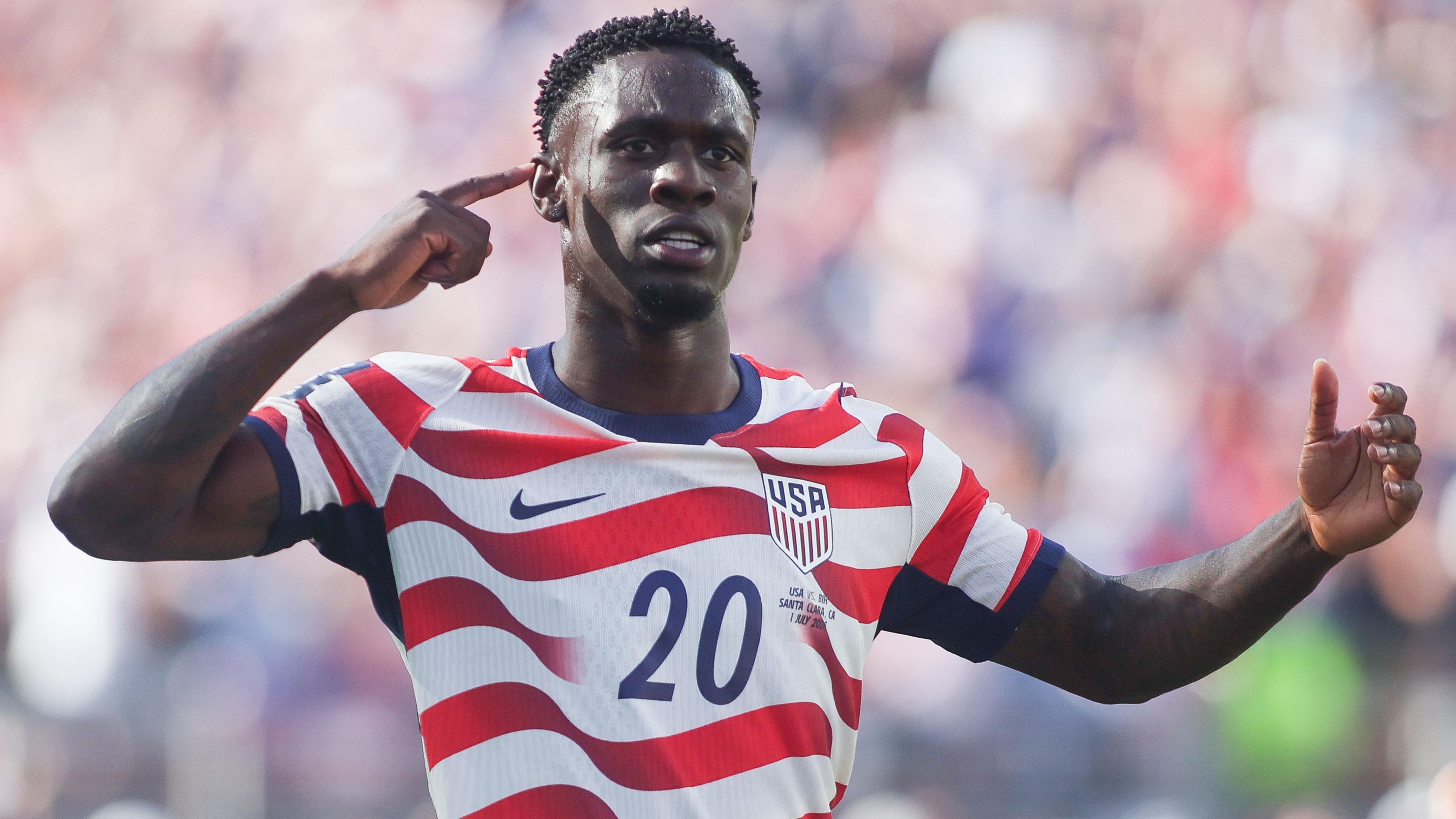
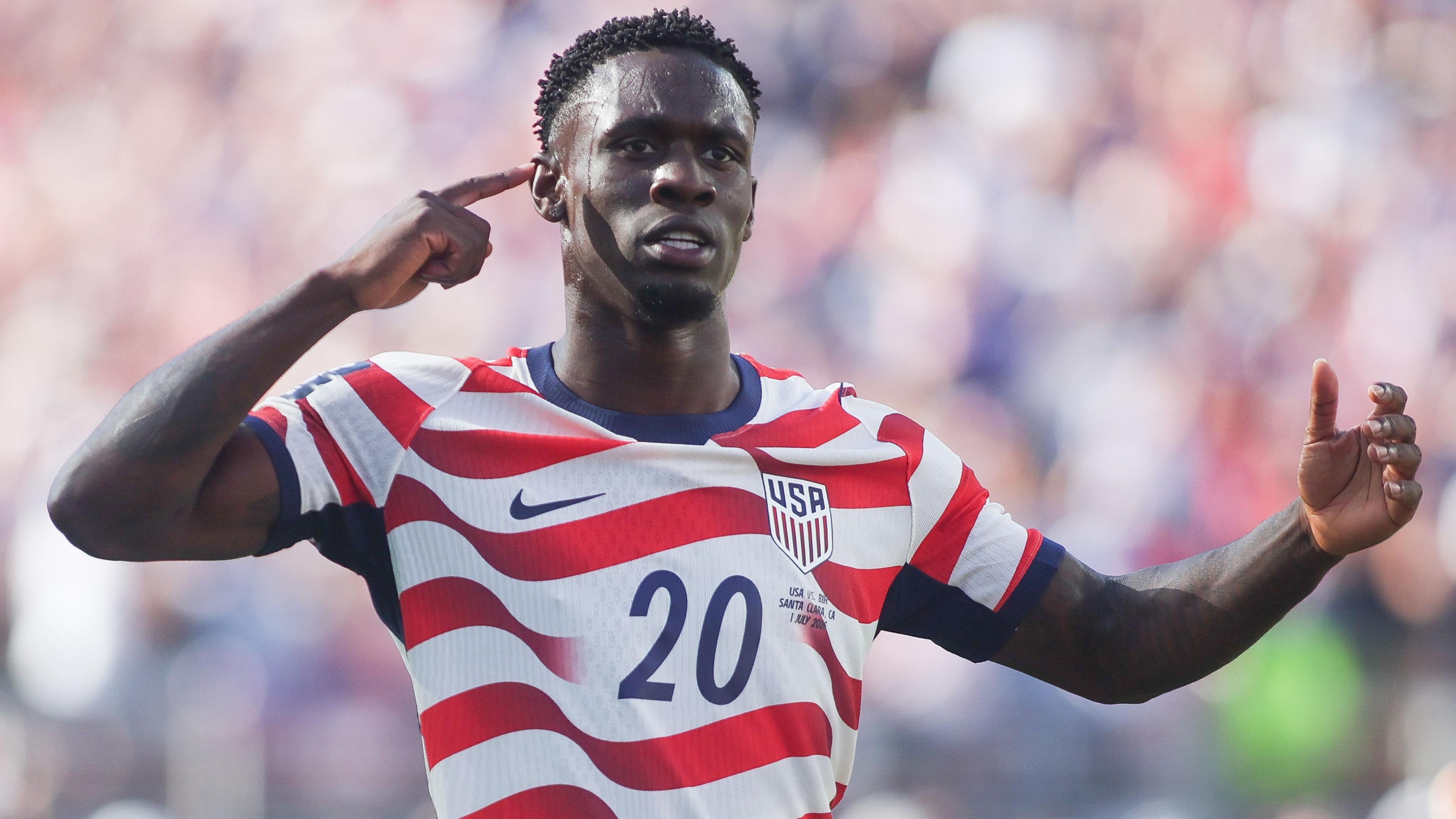
Samael.lol – Folarin Balogun, the 25-year-old forward for the United States, has been granted a reprieve after FIFA suspended his one-match ban following a controversial red card incident during the World Cup. The decision allows the player to participate in the U.S.’s last-16 encounter against Belgium, where his team aims to advance further in the tournament. Balogun’s availability comes as a relief to the squad, which had hoped to retain his services for a critical match.
Incident and FIFA’s Decision
Balogun was shown a straight red card in the U.S.’s 2-0 victory over Bosnia-Herzegovina in the last-32 stage, after he fouled defender Tarik Muharemovic. The referee’s call sparked debate among players and fans, with some questioning the severity of the punishment. FIFA’s statement clarified that the automatic one-match suspension would be suspended for a year, citing article 27 of its disciplinary code. The governing body did not elaborate on the reasoning, stating only that the rule allows for such suspensions during a probationary period.
“Folarin Balogun committed a foul, but the punishment was too harsh. He wasn’t the one who made the mistake—it was a split-second decision that cost him the game,” remarked Christian Pulisic, the U.S. midfielder, during a team meeting.
Pulisic added that the squad learned of the suspension on the bus to training, and Balogun was visibly elated. “He had a huge smile on his face, and so did the rest of us. It’s a big deal for the team,” Pulisic said. The forward’s performance in the group stage, including two goals against Paraguay and an assist in the clash with Bosnia, had been pivotal to the U.S.’s early success. His red card, however, raised concerns about the fairness of the disciplinary process.
Royal Belgian Football Association’s Response
The Royal Belgian Football Association (RBFA) expressed surprise at FIFA’s decision, calling it a “direct contradiction” of the competition’s regulations. The RBFA emphasized that all red cards during the World Cup had traditionally resulted in automatic suspensions, a rule explicitly reaffirmed by FIFA to participating nations in May. The association stated it is “investigating all potential options” to challenge the ruling and ensure consistency in disciplinary actions across the tournament.
FIFA’s statement outlined the terms of the suspension: the one-year probationary period would allow Balogun to return to play without penalty, provided he does not commit a similar offense. If he does, the suspension would be enforced, potentially leading to a longer ban. This approach has sparked discussions about whether the rule creates a loophole for high-profile players, particularly in the context of the World Cup’s high-stakes matches.
Trump’s Advocacy and Media Reaction
U.S. President Donald Trump took to his Truth Social platform to applaud FIFA’s decision, calling it a “reversal of a great injustice.” In a post, he wrote: “Thank you to FIFA for doing what was right, and reversing a great injustice! President DONALD J. TRUMP.” The president, a close ally of FIFA president Gianni Infantino, had reportedly called the organization earlier in the week to request a review of the red card incident, according to reports from AFP and Reuters. While the BBC has yet to confirm these claims, the influence of Trump’s relationship with Infantino has been widely noted in the context of the decision.
The RBFA also highlighted the inconsistency in FIFA’s handling of red cards, noting that previous fouls in the group stage had led to automatic suspensions. For example, Qatar midfielder Assim Madibo received a five-match ban after a tackle on Canada’s Ismael Kone left the latter with a broken leg. This contrast with Balogun’s case has fueled criticism of FIFA’s discretionary approach to punishment. Meanwhile, Balogun’s supporters argue that the incident was a minor lapse in judgment, not a deliberate foul.
Rule Application and Broader Implications
FIFA’s regulations state that a red card “automatically incurs suspension from the subsequent match,” but the governing body retains the authority to impose additional measures. The suspension of Balogun’s ban introduces a new dimension to this rule, raising questions about its fairness and application. In a similar case, Portugal captain Cristiano Ronaldo was cleared to play in his country’s opening match after a red card against the Republic of Ireland, suggesting that exceptions can be made for high-profile players.
Balogun’s foul occurred during a scramble for a looping ball, with the forward attempting to shield it from Muharemovic. As Balogun’s foot returned to the ground, it landed on the Bosnian defender’s ankle, causing a twist. Brazilian referee Raphael Claus reviewed the incident using a video assistant referee (VAR) system, leading to the red card decision. Critics argue that the use of slow-motion replays in such cases can sometimes lead to subjective calls, particularly when the action is close to the edge of the rules.
Political and Cultural Impact
US Secretary of State Marco Rubio joined the chorus of voices calling for a review of the decision. During a press conference, Rubio stated: “The U.S. team was unfairly penalized for a red card that didn’t fully reflect the circumstances. There needs to be an appeal process for this—it’s probably too late now, but it should still be addressed.” This sentiment resonates with many American fans, who have voiced frustration over the decision. Social media and sports analysts have questioned whether FIFA’s rules are applied uniformly, especially when it comes to suspending players for offenses that occur just after they’ve been sent off.
The RBFA’s focus on fairness has also drawn attention to the broader implications of FIFA’s ruling. By suspending Balogun’s ban, the organization may be setting a precedent that could influence future disciplinary actions. This has led to speculation about whether other players might benefit from similar suspensions, particularly in key matches. The RBFA’s investigation into potential options could lead to changes in how FIFA handles red card suspensions, ensuring that teams are not unfairly disadvantaged by a single incident.
Key Player and Team Context
Balogun’s role in the U.S. team has been instrumental throughout the tournament. His goals against Paraguay and Bosnia-Herzegovina showcased his importance to the squad, especially in the early stages of the competition. The forward’s suspension threatened to disrupt the team’s momentum, but the decision to delay the ban offers a chance to maintain their form. As the U.S. prepares for the Belgium match, the focus remains on how the team will adapt to the situation and whether Balogun’s return will bolster their chances.
The controversy surrounding Balogun’s red card underscores the tension between strict disciplinary measures and the need for flexibility in high-pressure scenarios. While FIFA’s decision may appear lenient, it has also sparked debates about the balance between accountability and opportunity in international football. For now, Balogun is back in the squad, with the hope that his performance will validate the ruling and keep the U.S. on track for a successful campaign.