Southampton Lose Appeal Against Play-Off Expulsion
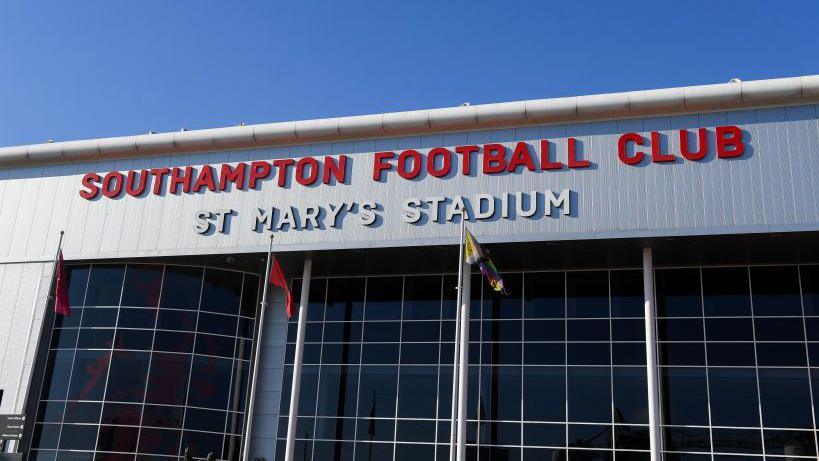
Samael.lol – The English Football League (EFL) has confirmed that Southampton’s appeal against their expulsion from the Championship play-off final has been denied. The disciplinary decision, made by an independent commission, ensures that the final will proceed as scheduled between Hull City and Middlesbrough on Saturday, with a Premier League spot at stake. Southampton’s removal from the competition follows allegations of espionage, which they admitted to during the investigation but contested as overly harsh. The ruling marks the end of the league’s process, leaving no room for further appeals to the Court of Arbitration for Sport.
EFL Regulation Violation and the Context of the Case
Under EFL rules, teams are prohibited from observing opponents’ training sessions within 72 hours of a match. Southampton were found guilty of breaching this regulation after covertly monitoring three rival clubs, including Middlesbrough, in the lead-up to the semi-final. The club’s actions reportedly involved gathering intelligence on tactical formations and player strategies, which the EFL deemed a violation of fair play. While the Saints had previously lost 2-1 to Middlesbrough in the semi-finals, the disciplinary panel ruled that the recent expulsion was necessary to uphold the integrity of the competition.
The Appeal and the EFL’s Final Determination
Southampton had argued that the punishment was “manifestly disproportionate” to historical precedents, citing past sanctions for similar offenses. However, the EFL maintained that the four-point deduction to the Championship table and the expulsion from the play-offs were appropriate given the severity of the breach. The league’s statement emphasized that the arbitration panel had “dismissed Southampton Football Club’s appeal,” reaffirming the disciplinary commission’s decision. This means the original penalty stands, and the club will now face the consequences of their actions in the upcoming final.
Quotes from the Club and Key Figures
“While we fully acknowledge the seriousness of this matter and the scrutiny that has followed, the club has consistently believed the original sporting sanction was disproportionate, a view that has been widely shared by many in the football community over the last 24 hours.”
Southampton’s statement, released on Wednesday, expressed dismay at the ruling. The club described the outcome as “an extremely disappointing moment,” stressing their commitment to addressing the issue with “humility, accountability, and determination.” Midfielder Leo Scienza, speaking on Instagram, shared a personal reflection on the decision: “Disappointment, anger, sadness. It’s difficult to find the right words for what we’re all feeling right now.” He called the expulsion “heartbreaking,” highlighting its emotional toll on players, staff, and fans.
“What has happened over the last days is heartbreaking. For the club, for every player in this dressing room, and above all for our supporters. A moment like this should never end the way it did.”
Scienza also extended sympathy to other teams affected by the scandal, including Hull City and Middlesbrough. “I feel sorry for every football fan, as well as the players and supporters of Hull and Boro, who were caught up in all of this chaos too,” he said. “We gave everything for this dream. Day after day, sacrifice after sacrifice, always believing we could bring this club back to where it belongs.” The midfielder’s words underscore the depth of Southampton’s aspirations and the weight of the punishment they now face.
Legal and Strategic Implications for Hull City
Hull City’s owner, Acun Ilicali, has voiced concerns about the last-minute change in opponents for their play-off final. He suggested that the club might pursue legal action if they lose the match, emphasizing the disruptive impact of the ruling. “I don’t want to accuse anybody and until we see the full picture, but it has had too much of an effect on us,” Ilicali stated. “I am representing a big club and a big family and I will not let our family get harmed with injustice.” His comments highlight the potential for the case to escalate beyond the EFL, with legal challenges possibly targeting the fairness of the disciplinary process.
Historical Precedents and the EFL’s Evolving Rules
Southampton’s appeal relied heavily on comparisons to past incidents, such as the £200,000 fine imposed on Leeds United in 2019 for similar spying activities. However, the EFL pointed out that regulation 127, which explicitly bans observing opponents within 72 hours of a game, was introduced specifically after Leeds’ case. This context strengthens the league’s argument that the current punishment is consistent with updated guidelines. The Saints’ case now serves as a cautionary example of how rules can evolve to address new forms of competitive advantage.
Looking to the Future: FA Involvement and the Road Ahead
With the EFL’s disciplinary process concluded, attention is shifting to the Football Association (FA), which may now pursue individual charges against players or staff involved in the espionage. The FA’s potential intervention could lead to additional penalties beyond the club’s four-point deduction, adding another layer of consequence for the Saints. Meanwhile, the play-off final between Hull and Middlesbrough will take place as planned, with both teams eager to secure promotion to the Premier League.
The Broader Significance of the Decision
The ruling has sparked broader discussions about the balance between competitive strategy and fair play in football. While teams often employ tactics to gain an edge, the EFL’s strict 72-hour rule aims to prevent undue influence on opponents. Southampton’s case now stands as a landmark moment in the league’s enforcement of this policy, demonstrating its willingness to act decisively even in high-stakes scenarios. For the club, this decision may prompt a reevaluation of their approach to training sessions and competition preparation.
Context of the Saints’ Position in the Championship
As of January 2022, Southampton had been a stable force in the Premier League for a decade, maintaining mid-table consistency under manager Ralph Hasenhuttl. The club had just announced a takeover by Sport Re, signaling a period of transition and ambition. Despite their strong reputation, the recent disciplinary action has shaken their confidence, raising questions about their conduct and the league’s response. The play-off final represents a critical opportunity to restore their standing and prove their commitment to fair competition.
Public Reaction and the Impact on the Football Community
The decision has elicited mixed reactions across the football world. While some supporters of Southampton view the punishment as excessive, others argue that the EFL’s stance is necessary to protect the integrity of the league. The incident has also prompted debate about the role of technology in modern football, with teams increasingly using tools like cameras and data analytics to monitor rivals. For Hull City, the sudden change in opponents has added pressure, but the club remains focused on the final itself.
The EFL’s final word on the matter leaves no room for dissent, solidifying the importance of maintaining strict adherence to regulations. As the play-off final approaches, all eyes will be on the outcome, not just for the teams involved but for the broader implications for football’s governance. The Saints’ story underscores how even established clubs can face scrutiny for actions that challenge the spirit of fair competition, setting a precedent for future cases.