Surf Photographer Faces Attack from Mysterious Sea Creature
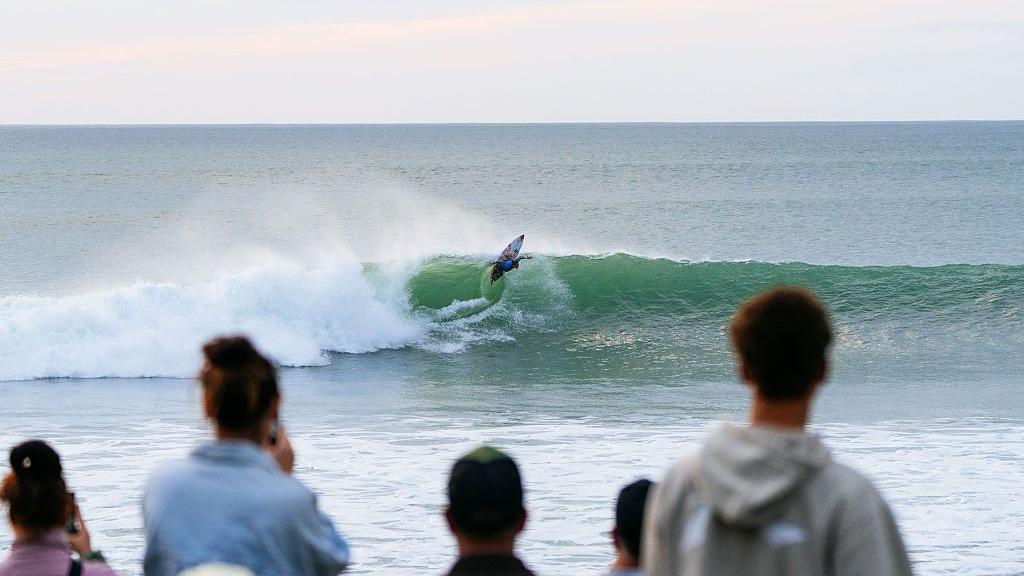
Samael.lol – The World Surf League (WSL) event in New Zealand, which runs from April to December, experienced an unexpected disruption on Monday when Australian surf photographer Ed Sloane was attacked in the water by an unidentified sea creature. Organizers have yet to confirm whether the culprit was a shark or a sea lion, leaving the community in suspense. The incident occurred during the men’s semi-finals at Raglan, a popular surf spot on the North Island, where Brazilian surfers Yago Dora and Italo Ferreira were competing. The sudden interruption highlighted the unpredictable nature of the ocean and the challenges faced by participants and staff alike.
A Code Red for Safety
As the final rounds of the New Zealand Pro event unfolded, the water around the competitors became a scene of chaos. Sloane, who had been documenting the action from the waves, was taken by surprise when the creature struck. The event organizers immediately activated a “code red” protocol, a standard emergency response to marine animal encounters. This measure caused the competition to be suspended for several hours while medical teams rushed to the scene. The pause was necessary to ensure the safety of all involved, especially given the proximity of the attackers to the athletes.
“We activate the code red when it’s a sea life attack on a surfer or a photographer. This time it was our beloved water photographer and thank God he’s in good spirits. He’s well considering what happened,” said Renato Hickel, the WSL’s vice-president of tours and competition, during a broadcast update. Hickel emphasized that the situation was particularly alarming due to the presence of both athletes and crew members in the water, making the incident a critical moment for the event.
The code red was not just a precautionary step but a vital part of the WSL’s safety framework. Such protocols are designed to allow for a swift response, ensuring that any threat to participants is addressed promptly. During the event, the WSL water patrol and medical teams worked in tandem to assess the situation. While the exact cause of the attack remained unclear, the on-site doctor suggested the creature was more likely a sea lion than a shark. This diagnosis, however, did not ease the tension, as the event’s competitors and spectators were still shaken by the occurrence.
Ed Sloane, who has been a familiar face at WSL events for years, shared his experience in a statement released by the organization. He described the attack as “very scary” and expressed gratitude for the immediate assistance provided by the medical team and the WSL water patrol. “I am doing okay, I’ve had bites to my left foot and am getting medical attention,” he said. Sloane also highlighted his affection for the location, noting that he couldn’t wait to see the event conclude with an “epic Finals Day.” His words resonated with the local community, many of whom had been watching the competition from the shore, unaware of the drama unfolding in the surf.
“Cheering for everyone for a great finish to the event,” Sloane added. His resilience and positive outlook underscored the spirit of the WSL, which aims to celebrate the camaraderie and passion of surfing despite the challenges posed by the natural environment. The photographer’s incident served as a reminder of the risks associated with ocean sports, even in well-established surf locations like Raglan.
Following the initial chaos, the event resumed with heightened vigilance. Additional safety measures were implemented, including the deployment of more jet skis and the use of a drone to monitor the water for any signs of further threats. These steps were intended to create a safer environment for both competitors and photographers, ensuring that such incidents could be minimized in the future. The drone’s real-time footage provided a crucial perspective, allowing organizers to keep a close eye on the conditions and the movements of the sea creatures.
Despite the uncertainty surrounding the identity of the attacker, the WSL remained committed to the safety of its participants. Hickel noted that the decision to suspend the event was made in response to the immediate danger, even if the source of it was not fully understood. “Italo and Yago were very shaken. They saw the splash and the incident, so another reason to put the event on hold,” he explained. The semi-finalists, who had been focused on their performance, were now dealing with the emotional impact of the attack, which had momentarily disrupted the flow of the competition.
The incident has sparked discussions about marine life in the region and the possibility of similar events occurring in the future. While sea lions are known to be curious and sometimes bold in their interactions with humans, sharks are also common in the waters around Raglan. The WSL has long been aware of the risks, but this attack has added a new layer of complexity to their safety protocols. Organizers are now reviewing the footage and consulting with marine biologists to determine the most accurate identification of the creature.
For the surfing community, the attack served as a sobering moment, reminding them of the delicate balance between the thrill of the sport and the unpredictable nature of the ocean. Sloane’s ability to remain calm and composed despite the danger has been widely praised, with many viewing his ordeal as a testament to the dedication and bravery required of those who work in the surf. The event’s return to action after several hours was met with relief, though the lingering questions about the creature’s identity have not yet been answered.
In the wake of the incident, the focus has shifted to ensuring that the competition can continue safely. The WSL has announced plans to enhance its monitoring systems, potentially integrating more advanced technology to detect marine life activity in real time. Meanwhile, the photographers and surfers who were on hand for the event are left to reflect on the experience, with Sloane’s statement serving as a poignant reminder of the challenges faced in capturing the essence of surfing in its most natural form.