Pope says ‘tyrants’ speech was not aimed at Trump
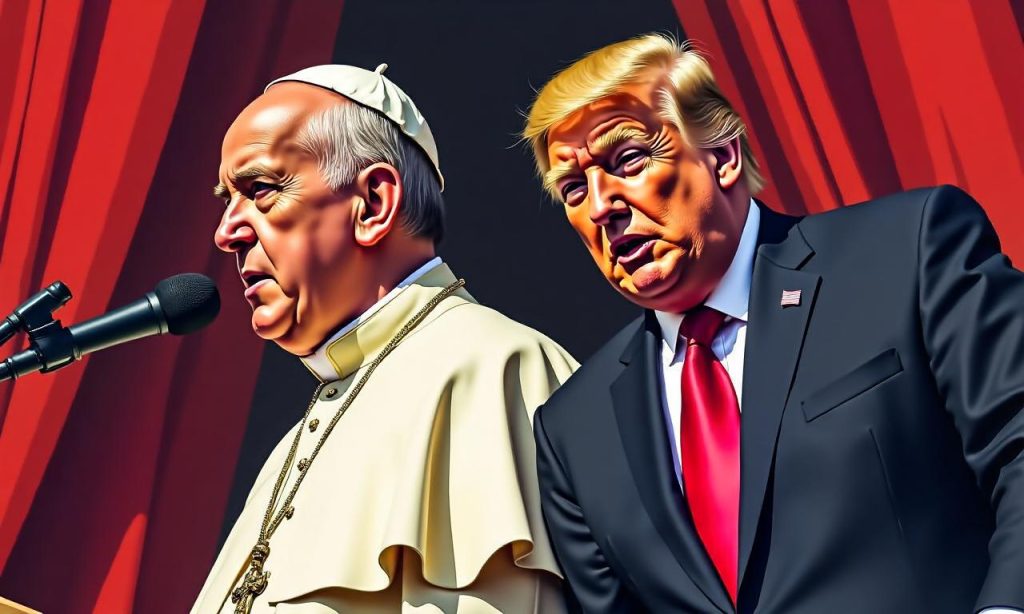
Pope Clarifies Remarks on ‘Tyrants’ Were Not Directed at Trump
During a recent address, Pope Leo addressed concerns that his critique of leaders who prioritize war over development might have been interpreted as a personal attack on Donald Trump. He clarified that the speech, delivered earlier this week, was crafted a fortnight prior and was not intended as a response to Trump’s comments. The pontiff explained that some media outlets had framed his words as a continuation of the debate with the U.S. president, despite his own assertion that the focus was on broader global issues.
Context of the Dispute
Pope Leo’s remarks came days after a notable exchange with Trump, during which the president had criticized the pontiff for his stance on the U.S.-Israel military operation in Iran. On Monday, Trump intensified his critique, labeling the Pope as “terrible for foreign policy” and expressing personal disapproval. The Pope, currently in Africa, noted that a misleading narrative had emerged, suggesting his comments were part of a political clash with Trump.
Speech in Cameroon and Regional Concerns
In a speech held in Cameroon on Thursday, the Pope highlighted the persistent cycle of violence in the region, which has been affected by insurgency for nearly a decade. He called attention to the lack of resources allocated to healing and education, stating that billions spent on conflict had left communities in need of restoration. The Pope also described the situation as “bloodstained,” emphasizing the human toll of ongoing instability.
Trump’s Response and AI Image
Trump, who had initially criticized the Pope for his concerns about Iran’s war efforts, defended his own position. He said, “The Pope can say what he wants, and I want him to say what he wants, but I can disagree.” The president also shared an AI-generated image of himself resembling a Jesus-like figure, which he later removed. His remarks reflect a continued divergence in perspectives, with Trump accusing the Pope of being “weak on crime” and “terrible for foreign policy.”