‘I should have died’ – Taylor on 10 years since forced retirement
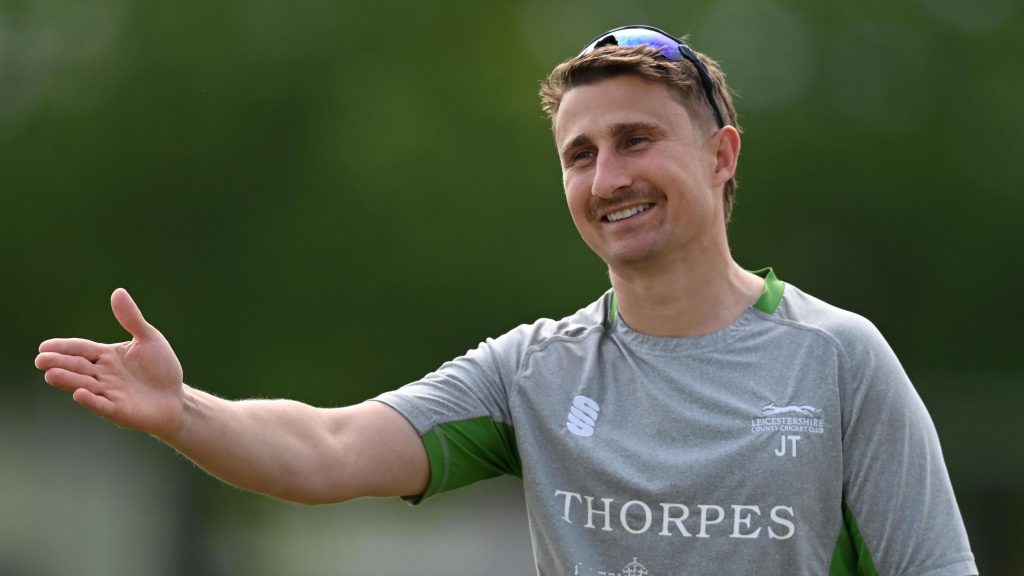
‘I should have died’ – Taylor on 10 years since forced retirement
Exactly a decade has passed since the moment that transformed James Taylor’s life. During a pre-season match for Leicestershire against Cambridge University, the England batter collapsed, setting off a chain of events that would end his cricket career at 26. The incident occurred in Nottingham, where he sought a rushed medical evaluation after feeling unwell. Taylor recalls the ordeal with vivid detail, sharing how his body began to fail during the drive home.
“I should have died on that journey,” he says. “My body is packing up over the next five hours. I was grey, cold, and sweating. I was crawling, not walking. I tried to climb stairs but couldn’t stand—my body was giving up, and I was vomiting everywhere. I collapsed into bed, curled up like a胎儿, and my shoulder was agony.”
His condition was later identified as arrhythmogenic right ventricular cardiomyopathy (ARVC), a heart disorder that forced his retirement. Taylor had just completed some throw-downs before the game, a routine action he had performed countless times. “I could see my shirt trembling with each heartbeat,” he adds. “It felt like panic, but I knew I shouldn’t be. I ran off the field, thinking I’d faint or vomit, and stuck my head in the toilet. I didn’t throw up, but I couldn’t breathe. That was the only time I thought I might not make it.”
Taylor leaves England head scout role
After the diagnosis, Taylor was advised to rush to the hospital. “Don’t wait for an ambulance,” his doctor warned. “You don’t have time.” In the emergency room, he was connected to a machine that measured his heart rate at 265 beats per minute, erratic and out of sync. “They said I should only stay conscious for 10 minutes, but I lasted six hours,” he recalls. “My heart had endured the strain of five to six marathons.”
Despite the grim prognosis, Taylor had already secured a place in England’s Test squad for their South Africa series. His performance in the 2015 summer included a century and two remarkable catches at short leg against the Proteas. “I was determined to keep my spot in the team,” he says. “I told the doctor I just needed three weeks to be fit for the Lord’s match against Sri Lanka. I’d worked hard to get there—no way I’d give up now.”
That winter, Taylor’s condition was compared to the one that affected footballer Fabrice Muamba, often detected only after death. His retirement was announced six days after the collapse, though he remained in hospital for three weeks. “I had a meeting with cricket journalists and they praised all my efforts, my dedication to earning a spot in the England team,” he says. “But I just broke down in front of them all. It hurt so much to know I couldn’t continue.”
Following his exit from cricket, Taylor turned to golf, becoming a scratch player within three and a half years. He also worked as a commentator for Test Match Special and joined England’s selectors in 2018. “I wanted to do things I loved and make a difference,” he explains. “It was an opportunity I couldn’t refuse.” His journey since then has been a testament to resilience, blending passion with purpose in new ways.