Red Bull’s difficult start and 1976 cars compared with 2026 – F1 Q&A
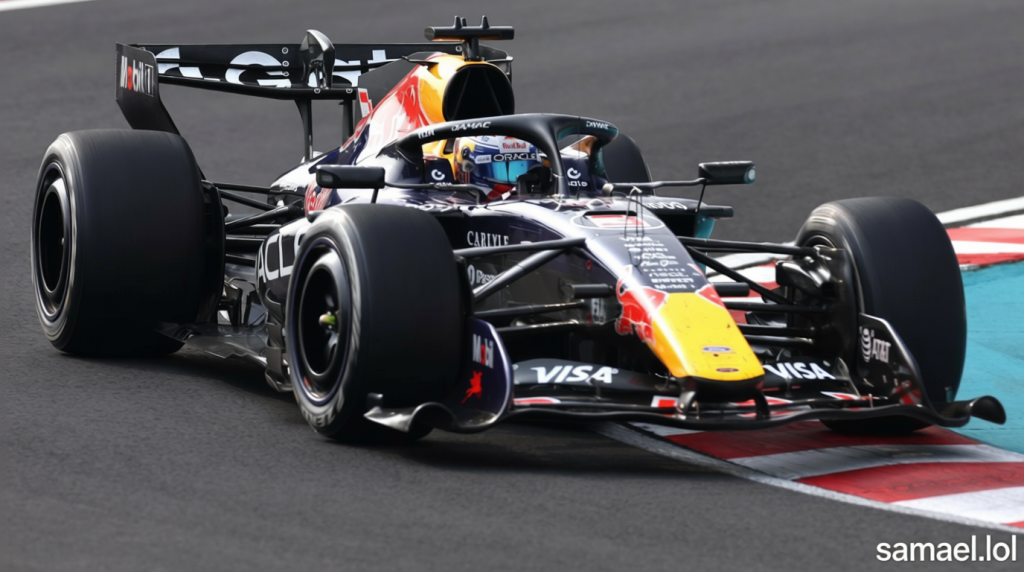
Red Bull’s Struggles and 1976 Cars Compared to 2026 – F1 Q&A
The 2026 Formula 1 season resumes with the Miami Grand Prix, scheduled for 1–3 May, following a four-week break. As the teams gear up for the restart, BBC F1 correspondent Andrew Benson addresses fan questions about recent developments in the sport.
Red Bull’s Early Challenges
Despite initial optimism, Red Bull has struggled to match expectations. After three races, the team sits sixth in the constructors’ standings with 16 points. While their first race showed promise, with Isack Hadjar qualifying third, the results have since dipped. In Melbourne, Hadjar retired due to an engine failure, but Max Verstappen managed a solid sixth finish.
“We left Melbourne thinking we were one second off Mercedes and half a second off Ferrari,” said team principal Laurent Mekies. “In Japan, the gap looked similar, but we were a distant force compared to the pace set by McLaren.”
Mekies noted that Verstappen’s performance in Australia was strong, but by Japan, the team had fallen behind. He attributed this to McLaren’s progress and Red Bull’s failure to adapt. “In China, we started questioning the car’s balance and characteristics,” Mekies added. “Our challenge is closing the gap and ensuring Max can maximize the package’s potential.”
Wet Condition Safety Concerns
Another pressing issue is how cars handle in wet conditions. In Australia, Franco Colapinto’s poor start nearly caused a collision with Liam Lawson, underscoring the risks of reduced visibility and high-speed maneuvers. While this hasn’t dominated discussions, teams are aware of the challenges.
“The concern is about closing speeds and the sheer acceleration now,” explained Benson. “Drivers have mentioned it repeatedly, though it hasn’t gained wide attention yet.”
Recent changes at the F1 Commission have addressed some of these concerns, but the topic remains under active review as the sport prepares for its next major event.
Computer Control vs. Driver Skill
How much control do modern drivers have over their cars? In 1976, Formula 1 relied entirely on analog systems, but today’s vehicles are heavily computerized. Fans like Michelle ask if James Hunt’s 1976 championship win reflects a time when drivers had full command, unlike Lando Norris’s McLaren in 2026.
“Hunt had more total control of his car back then,” Benson noted. “Now, electronic systems manage many aspects, which changes the dynamic between driver and machine.”
Some worry about “systems over-reach,” where technology might overshadow human input. Yet, the evolution of F1 mirrors broader changes in how we interact with machines, from 1976 to the present day.