Saudi Arabia to stop funding LIV Golf next season
Saudi Arabia to stop funding LIV Golf next season
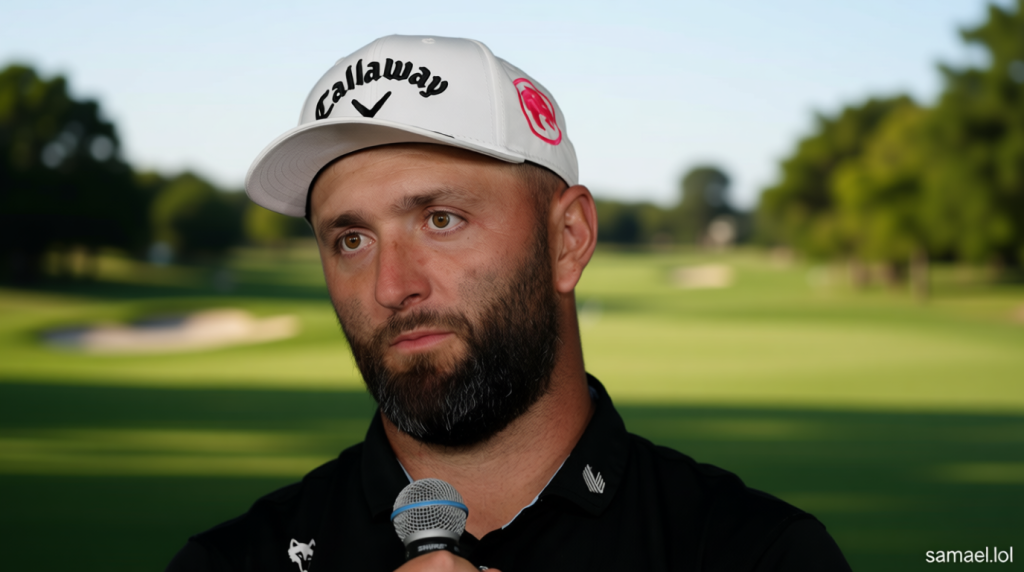
Saudi Arabia to stop funding LIV Golf – Saudi Arabia, the primary financial backer of the breakaway LIV Golf series, is expected to withdraw its support at the end of this year, casting uncertainty over the future of the tournament. This decision follows months of speculation about the sustainability of the venture, which has drawn criticism for its lavish spending and controversial format. Jon Rahm, a Masters and US Open champion, joined the LIV tour in 2023, but the absence of continued funding may force the organization to reevaluate its strategy and survival plans.
LIV Golf’s Strategic Shift
The LIV Golf tour is poised to announce a “new strategic plan” on Thursday, aiming to secure alternative investors and stabilize its operations. Sources indicate the move is part of an effort to adapt to the evolving landscape of professional golf, which has seen the PGA Tour and European Tour maintain dominance. Alongside the financial restructuring, the tour will also reveal new independent board members, signaling a desire for fresh leadership and direction.
Amid these developments, there are reports that Yasir Al-Rumayyan, the governor of the Saudi Public Investment Fund (PIF) and co-founder of LIV Golf, may step down from the board. Al-Rumayyan has been a central figure in the tour’s operations since its inception in 2021, guiding its rapid expansion and high-profile player signings. His potential exit could mark a pivotal moment in the series’ journey, as it seeks to redefine itself without its largest funder.
Event Delays and Global Scheduling
LIV Golf’s recent postponement of its June event in New Orleans has left the United States without any tournaments between late May and mid-August. The tour’s next event will be held at Trump Bedminster in New Jersey, but the absence of US-based events may raise questions about its global appeal. Despite this, the series is set to continue in South Korea, Spain, and Britain during the same period, offering a semblance of continuity amid financial concerns.
The organization’s financial situation remains precarious, with net losses in international markets reaching $462 million in 2024. This figure brings the total cumulative loss since LIV’s launch to over $1.1 billion. While the US arm of the operation has benefited from significant investment, the overall deficit is projected to grow further unless the tour undergoes substantial cost reductions. Industry insiders suggest the LIV Golf model, which initially relied on high-profile events and team-based competition, may need to be scaled back significantly.
Player Reinstatement and Financial Strain
Major winners such as Jon Rahm, Bryson DeChambeau, Phil Mickelson, and Cameron Smith have been integral to LIV’s success, but their participation has come at a cost. In February, Rahm, DeChambeau, and Smith declined a one-time chance to rejoin the PGA Tour under its “Returning Member Programme,” which was designed for players who had won a major title or The Players Championship since 2022. The only player to accept the offer was Koepka, who paid fines estimated at £63 million to secure his return.
With LIV Golf’s financial strain intensifying, some players may now reconsider their commitment to the series. Reports suggest several LIV golfers have reached out to the PGA Tour and DP World Tour to discuss potential comebacks, though it remains unclear whether the tour’s collapse will prompt a new opportunity for such moves. The PIF’s decision to shift its investment focus toward more sustainable ventures could influence these negotiations, as the organization seeks to prioritize long-term profitability over short-term spectacle.
The Road Ahead for LIV
LIV Golf’s executives are reportedly exploring multiple avenues to reposition the business, including renegotiating sponsorship deals and optimizing event schedules. Despite the challenges, the series is optimistic about its future as an international tour, with officials emphasizing their intent to maintain a team-based model. The tour’s revenue projections for 2026 suggest it could generate $100 million more than last season, though this depends on securing new financial backing.
Scott O’Neil, the chief executive of LIV Golf, recently assured players that the 2026 season would proceed “as planned and uninterrupted” amid rumors of the tour’s potential collapse. While he did not specify the next steps, his comments underscore the need for a stable financial foundation. The announcement of a new strategic plan is likely to address these concerns, but the path forward remains uncertain.
Saudi Arabia’s Broader Sports Investments
Saudi Arabia’s involvement in sports extends beyond golf, encompassing football, boxing, Formula 1, and tennis. The PIF, which also owns Newcastle United, has been a driving force in transforming these sectors into global showcases. However, the challenges faced by LIV Golf may prompt a reassessment of such ambitious projects. The $5 billion investment in the tour, combined with an additional $267 million this year, highlights the scale of the nation’s sports ambitions—but also the risks of overextending financial resources.
As LIV Golf navigates its financial crisis, the question remains: is this the beginning of the end for the series? The PIF’s pivot to sustainable investments could signal a broader realignment of priorities, potentially impacting not only LIV but also other ventures like its ownership of Newcastle United. The rise of esports, including a $55 billion investment in EA, further illustrates Saudi Arabia’s willingness to experiment with new formats and platforms to maintain its influence in the sports world.
“The tournament’s future appears uncertain, with reports suggesting it may be fully open to new ownership,” said an industry insider. “But without immediate financial support, the model that made LIV Golf stand out may need to be reimagined.”
LIV Golf’s upcoming event in Virginia at Trump National Golf Club, set for 7 May, will serve as a final test of its viability. The PIF has yet to issue a formal statement, but its strategic realignment suggests the possibility of a departure from the high-profile, team-based approach that has defined the series. As the tour prepares for its next chapter, the balance between bold innovation and financial prudence will determine its fate in the years to come.