What it’s really like to try to make it to F1
What it’s really like to try to make it to F1
Formula 1 remains a highly competitive arena, attracting countless aspiring drivers from various motorsport tiers. Yet, reaching the pinnacle is no easy feat, as financial constraints often derail even the most talented individuals. BBC Sport recently examined the cost of climbing the motorsport ladder, speaking with two British drivers who have navigated the path toward Formula 1.
Zak O’Sullivan’s Journey
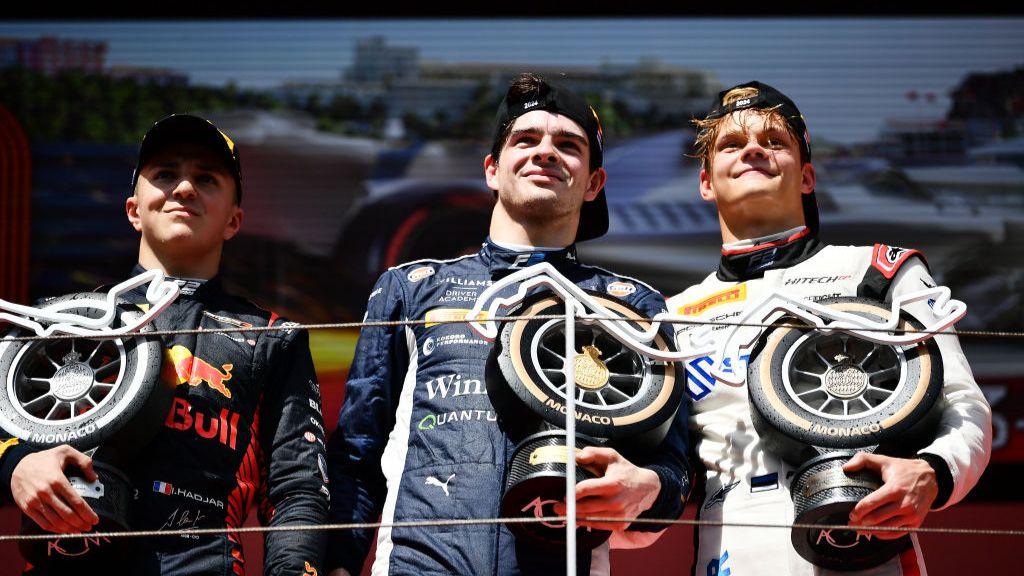
Zak O’Sullivan, a former Williams Academy driver, faced significant financial hurdles during his 2024 Formula 2 campaign. Despite his early success, including a 2021 GB3 Championship win and recognition as Autosport BRDC Young Driver of the Year at 17, he was compelled to withdraw from the season before its conclusion. His experience highlights the pressures of sustaining a career in motorsport at high levels.
“I’m from a wealthy family, but not to the extent of spending millions each year to reach F1. Anyone competing in motorsport up to F3 level is typically from a financially stable background because it’s nearly impossible otherwise.”
O’Sullivan noted that even with support from teams like Williams, drivers must often cover substantial costs themselves. “Williams were aware of my financial struggles, but they only contribute a certain amount early in the year, which is standard,” he explained. He emphasized that sponsorship is “critical” yet challenging to secure, often relying on personal connections or deep passion for racing.
He also pointed to a growing trend he terms “motorsport inflation.” “There are very few regulations on spending, so top teams dominate because they have the most resources,” O’Sullivan said. “As long as there’s demand, they’ll keep raising prices.” For instance, a top-tier kart chassis now costs over £300,000 annually, a stark contrast to the £180,000 budgets of European karting teams in previous years. This trend has made F1 more accessible to a select few, leaving others to scale back their ambitions.
Maisy Creed’s Perspective
Further down the ladder, Maisy Creed has already drawn attention from F1 teams. At 16, she became the PF International X30 junior champion, marking her as the first female winner in the series’ 32-year history. Creed began her outdoor karting career at 12, a start age significantly later than most competitors, which she attributes to her focus on reducing expenses.
Based in Sheffield, Creed has prioritized affordability throughout her career. She explained that managing costs is crucial for staying competitive. “I’ve had to be strategic with every penny,” she said. “It’s not just about speed or skill—it’s about being efficient and making every investment count.” Her approach reflects the broader challenge of balancing talent with financial viability in the pursuit of F1.